Grenfell Tower Fire - June 14, 2017
2017 · London, United Kingdom
A fire broke out in the Grenfell Tower, a residential high-rise building in North Kensington, London, resulting in 72 fatalities.
December 12, 1988
The Clapham Junction rail crash occurs in London, killing 35 people and injuring hundreds.
London, United Kingdom | British Rail
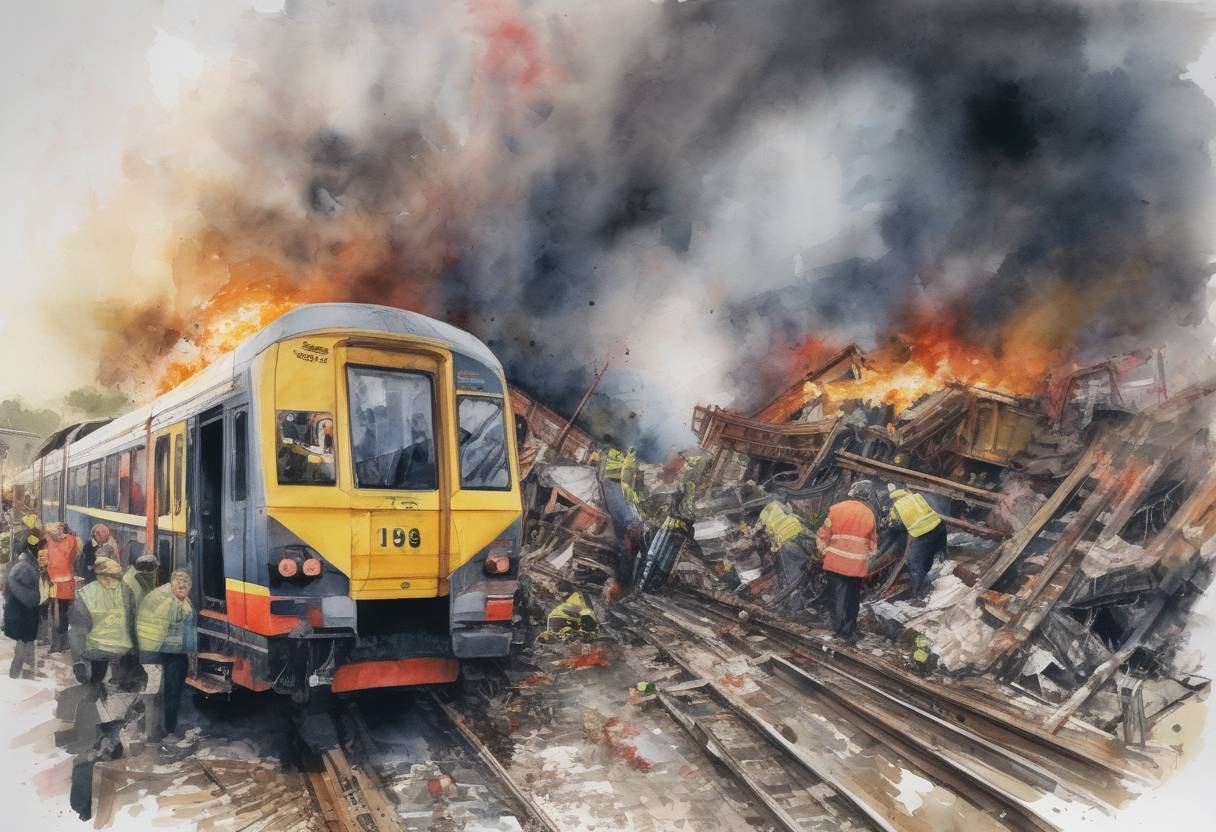
On December 12, 1988, a tragic rail crash occurred near Clapham Junction in London, resulting in the deaths of 35 people and injuries to nearly 500 others. This disaster stands as one of the most severe rail accidents in British history, highlighting critical issues in railway safety and signaling systems.
Clapham Junction is one of the busiest railway junctions in Europe, serving as a major hub for trains traveling to and from London. On the morning of the crash, the station was bustling with commuters heading into the city.
The accident involved three trains:
The crash sequence began when the Basingstoke train collided with the rear of the Poole train, which had stopped at a signal. Moments later, the empty train traveling in the opposite direction struck the wreckage, exacerbating the disaster.
The primary cause of the crash was identified as a wiring error in the signaling system. During maintenance work, a redundant wire was left connected, which led to a false signal being displayed. This error caused the driver of the Basingstoke train to believe the track was clear, leading to the collision.
The Clapham Junction rail crash prompted a comprehensive investigation led by Anthony Hidden QC, resulting in the “Hidden Report.” Key findings and recommendations included:
The crash had a lasting impact on the British railway system, leading to reforms that improved safety standards and operational procedures. It also raised public awareness about the importance of railway safety and the need for ongoing vigilance in maintaining infrastructure.
The Clapham Junction rail crash remains a poignant reminder of the potential consequences of lapses in safety and the critical importance of rigorous maintenance and oversight in public transportation systems.
Source: en.wikipedia.org