The Beatles' Rooftop Concert: January 30, 1969
1969 · London, United Kingdom
The Beatles performed an unannounced concert on the rooftop of Apple Records in London, their last public performance.
August 29, 1966
The Beatles performed their last commercial concert at Candlestick Park in San Francisco, marking the end of their touring career and a shift towards studio recording.
San Francisco, United States | The Beatles
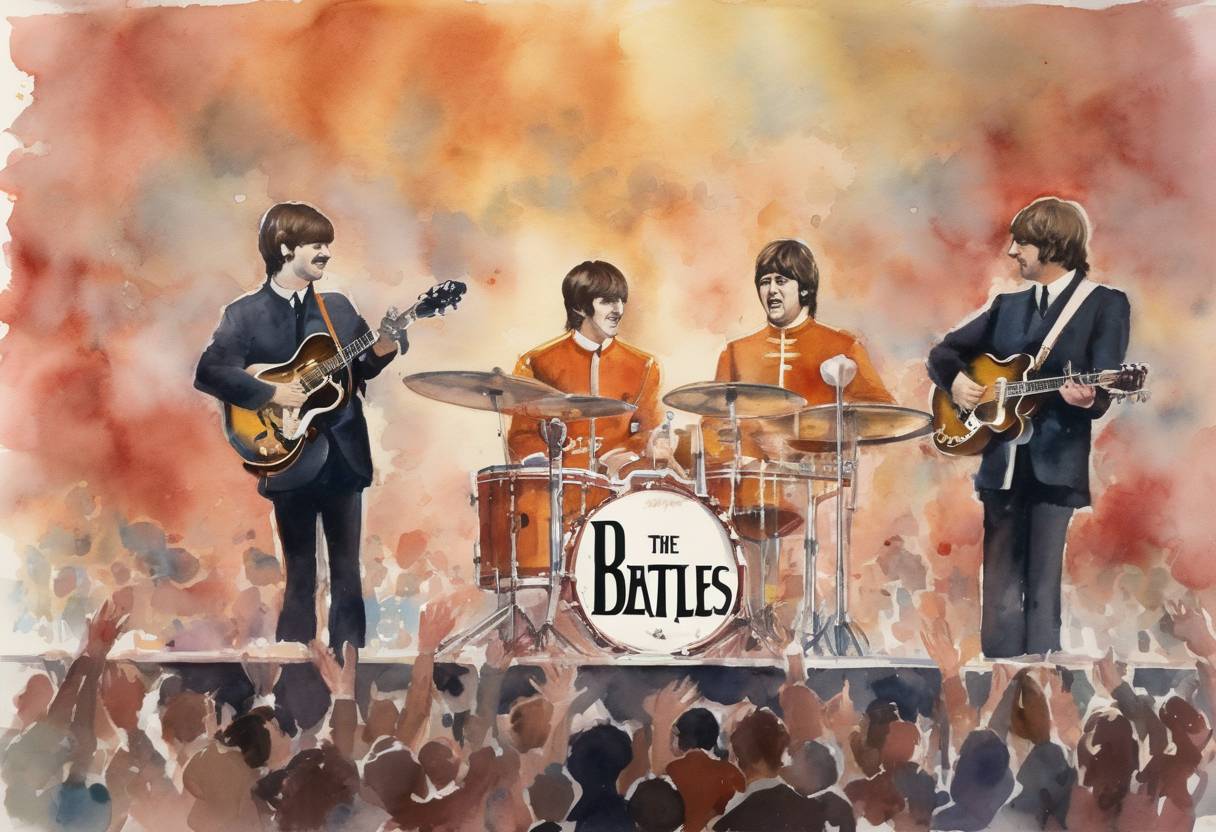
On August 29, 1966, The Beatles performed their last commercial concert at Candlestick Park in San Francisco, marking a significant turning point in their illustrious career. This event signaled the end of their era as a touring band and the beginning of a new phase focused on studio recording.
By 1966, The Beatles had become a global phenomenon, with a fan base that spanned continents. Their tours were characterized by unprecedented levels of fan hysteria, often referred to as “Beatlemania.” However, the constant touring took a toll on the band members, both physically and mentally. The chaotic nature of their concerts, where the screams of fans often drowned out the music, coupled with the logistical challenges and security concerns, led to increasing dissatisfaction among the band.
The end of The Beatles’ touring career marked a pivotal moment in the history of popular music. It highlighted the growing importance of studio technology and production in the music industry. The band’s subsequent work in the studio set new standards for creativity and artistic expression, influencing countless artists and shaping the future of rock and pop music.
In summary, the Candlestick Park concert was not just the end of an era for The Beatles but also a catalyst for their transformation into pioneering studio artists, leaving an indelible mark on the music world.
Source: www.britannica.com