The Ratification of the 24th Amendment to the United States Constitution
1964 · Washington, D.C., United States
The 24th Amendment to the United States Constitution, prohibiting the use of poll taxes in federal elections, is ratified.
November 2, 1959
Charles Van Doren admitted to a Congressional committee that he had been given questions and answers in advance of his appearances on the quiz show 'Twenty-One.'
Washington, D.C., United States | United States Congress
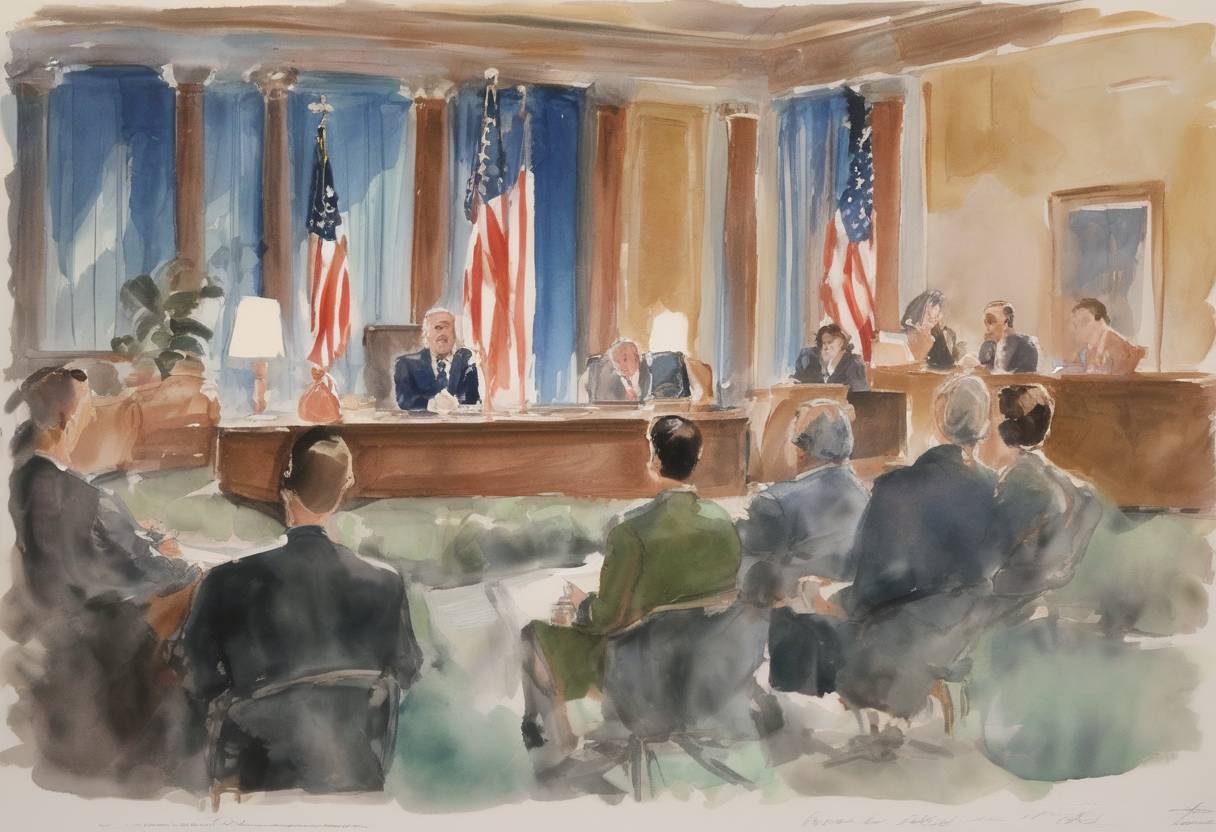
On November 2, 1959, Charles Van Doren, a prominent figure in the quiz show scandal of the late 1950s, admitted to a Congressional committee that he had been provided with questions and answers in advance of his appearances on the television quiz show “Twenty-One.” This admission was a pivotal moment in the unfolding scandal that exposed the manipulation and deceit behind some of the era’s most popular quiz shows.
Charles Van Doren: A Columbia University instructor and member of a distinguished literary family, Van Doren became a national sensation after his successful run on “Twenty-One,” a popular quiz show. His intellectual prowess and charm captivated audiences, making him a household name.
The Quiz Show Era: During the 1950s, quiz shows were a staple of American television, drawing large audiences and generating significant advertising revenue. However, the competitive nature of the shows led to unethical practices, including the rigging of outcomes to maintain viewer interest.
Revelations: In 1958, allegations surfaced that several quiz shows, including “Twenty-One,” were rigged. Contestants were reportedly coached and provided with answers to ensure dramatic and engaging television.
Investigation: The scandal prompted investigations by the U.S. Congress, which sought to uncover the extent of the deception and hold those responsible accountable.
Admission: On November 2, 1959, Van Doren appeared before a Congressional subcommittee and confessed that he had been complicit in the deception. He admitted to receiving questions and answers in advance, a revelation that shocked the public and tarnished his reputation.
Impact: Van Doren’s admission was a significant blow to the credibility of television quiz shows and led to a broader examination of ethics in broadcasting. It also marked a turning point in the regulation of television content, leading to stricter oversight and standards.
Cultural Impact: The quiz show scandal had lasting effects on American television, leading to a decline in the popularity of quiz shows and a shift towards more transparent and ethical programming.
Van Doren’s Legacy: Despite his fall from grace, Van Doren later rebuilt his life, focusing on writing and academia. His story was later dramatized in the 1994 film “Quiz Show,” directed by Robert Redford, which brought renewed attention to the scandal.
In summary, Charles Van Doren’s admission on November 2, 1959, was a critical moment in the history of American television, highlighting the ethical challenges of the entertainment industry and prompting significant changes in how television content was produced and regulated.
Source: en.wikipedia.org