Fiscal Cliff Agreement Announcement - February 2, 2013
2013 · Washington D.C., United States
Congressional leaders in the United States announced a new bipartisan agreement that avoided the fiscal cliff.
December 21, 2017
The United States Congress passed the Tax Cuts and Jobs Act, a major overhaul of the U.S. tax code, which included significant tax cuts for corporations and individuals.
Washington D.C., United States | United States Congress
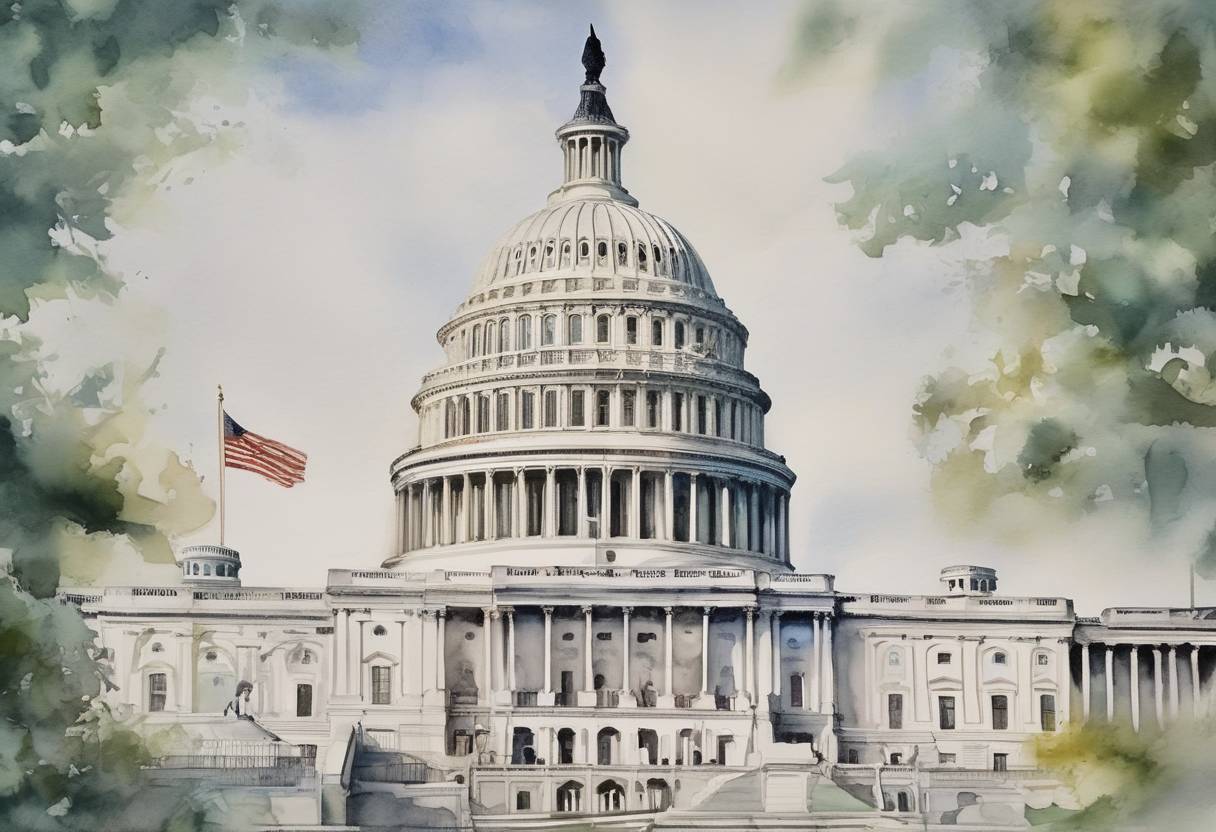
On December 21, 2017, the United States Congress passed the Tax Cuts and Jobs Act (TCJA), marking a significant overhaul of the U.S. tax code. This legislation was one of the most substantial changes to the tax system in decades, with wide-ranging implications for individuals, businesses, and the overall economy.
The TCJA was passed through the budget reconciliation process, allowing it to be approved with a simple majority in the Senate. This was crucial for its passage, as it faced significant opposition from Democrats and some public interest groups.
Proponents argued that the tax cuts would stimulate economic growth, increase wages, and create jobs. Critics, however, contended that the benefits were skewed towards corporations and the wealthy, potentially increasing income inequality and the federal deficit.
The TCJA’s effects on the economy and federal budget continue to be debated. While some economic growth was observed following its implementation, the long-term impacts on income distribution and fiscal health remain subjects of analysis and discussion.
The passage of the Tax Cuts and Jobs Act of 2017 represented a landmark moment in U.S. fiscal policy. Its comprehensive changes to the tax code have had lasting effects on the economy, businesses, and individuals, shaping the financial landscape of the United States in the years following its enactment.
Source: www.congress.gov