Queen Elizabeth II Becomes the Oldest Reigning British Monarch
2007 · London, United Kingdom
Queen Elizabeth II became the oldest reigning British monarch, surpassing Queen Victoria.
February 10, 1840
Queen Victoria of the United Kingdom marries Prince Albert of Saxe-Coburg and Gotha.
London, United Kingdom | British Monarchy
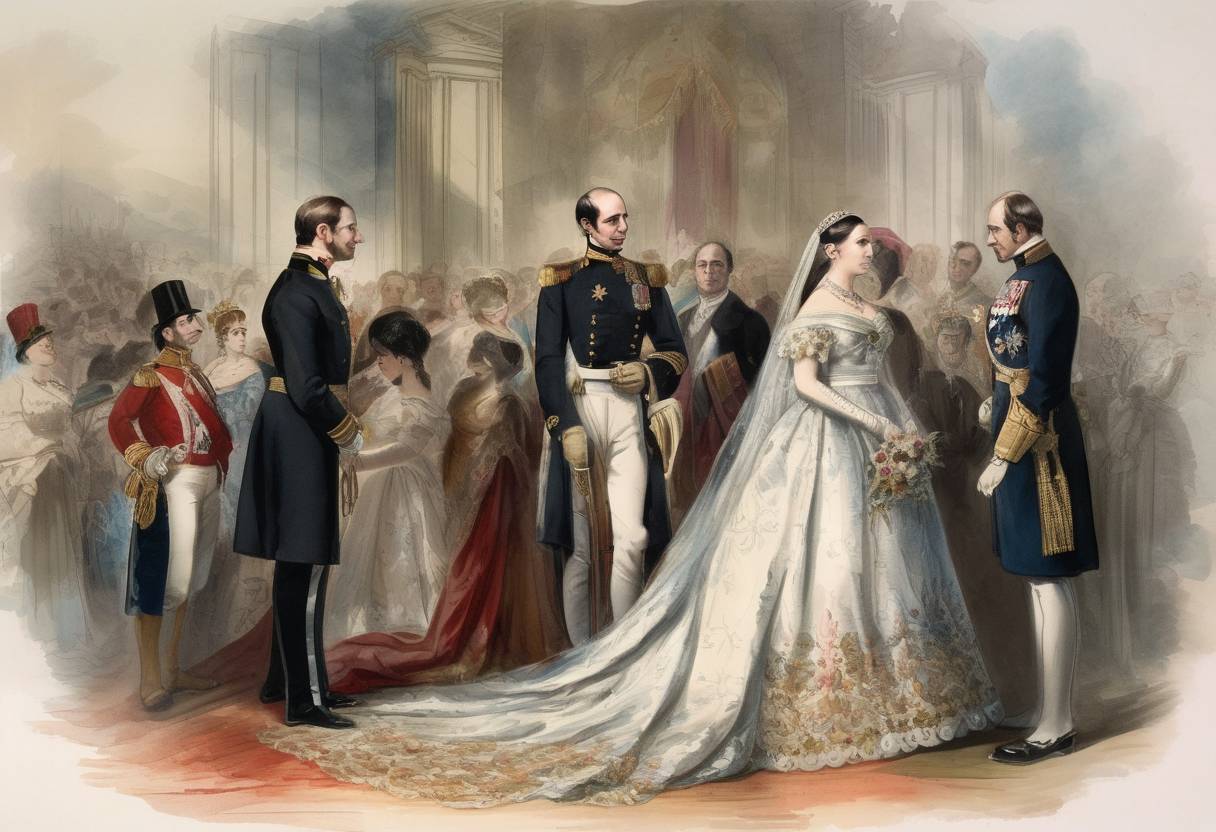
On February 10, 1840, Queen Victoria of the United Kingdom married Prince Albert of Saxe-Coburg and Gotha in a ceremony held at the Chapel Royal, St. James’s Palace, in London. This marriage was a significant event in British history, marking the union of two influential European royal families and setting the stage for a partnership that would profoundly impact the British monarchy and the nation.
Queen Victoria: Born on May 24, 1819, Victoria became queen at the age of 18, following the death of her uncle, King William IV, in 1837. Her reign would eventually become the longest of any British monarch until surpassed by Queen Elizabeth II.
Prince Albert: Born on August 26, 1819, Albert was Victoria’s first cousin, the son of her mother’s brother, Ernest I, Duke of Saxe-Coburg and Gotha. He was well-educated and shared many interests with Victoria, including a passion for the arts and sciences.
Engagement: The engagement was announced in October 1839, after Victoria proposed to Albert. As a reigning queen, it was customary for her to propose rather than be proposed to.
Ceremony: The wedding was a grand affair, attended by numerous dignitaries and members of the royal family. Victoria wore a white satin gown, which popularized the tradition of wearing white for weddings.
Significance: The marriage was both a personal and political alliance. It strengthened ties between the United Kingdom and the German states, particularly the Duchy of Saxe-Coburg and Gotha.
Partnership: Victoria and Albert’s marriage was a true partnership. Albert became a key advisor to Victoria, and his influence was seen in various reforms and initiatives, including the Great Exhibition of 1851.
Family: The couple had nine children, who married into various European royal families, earning Victoria the nickname “the grandmother of Europe.”
Legacy: Albert’s untimely death in 1861 deeply affected Victoria, leading to a prolonged period of mourning. However, their marriage set a standard for royal partnerships and left a lasting legacy on the British monarchy.
In summary, the marriage of Queen Victoria and Prince Albert was a pivotal moment in 19th-century British history, characterized by a deep personal bond and significant political and cultural influence. Their union helped shape the future of the British monarchy and left an indelible mark on European history.
Source: en.wikipedia.org