Earthquake in Central Chile - October 16, 2007
2007 · Coquimbo, Chile
A powerful earthquake strikes the coast of central Chile, causing damage and prompting evacuations but resulting in no fatalities.
May 22, 1960
The Great Chilean Earthquake, the most powerful earthquake ever recorded, struck southern Chile with a magnitude of 9.5.
Valdivia, Chile | Chilean government
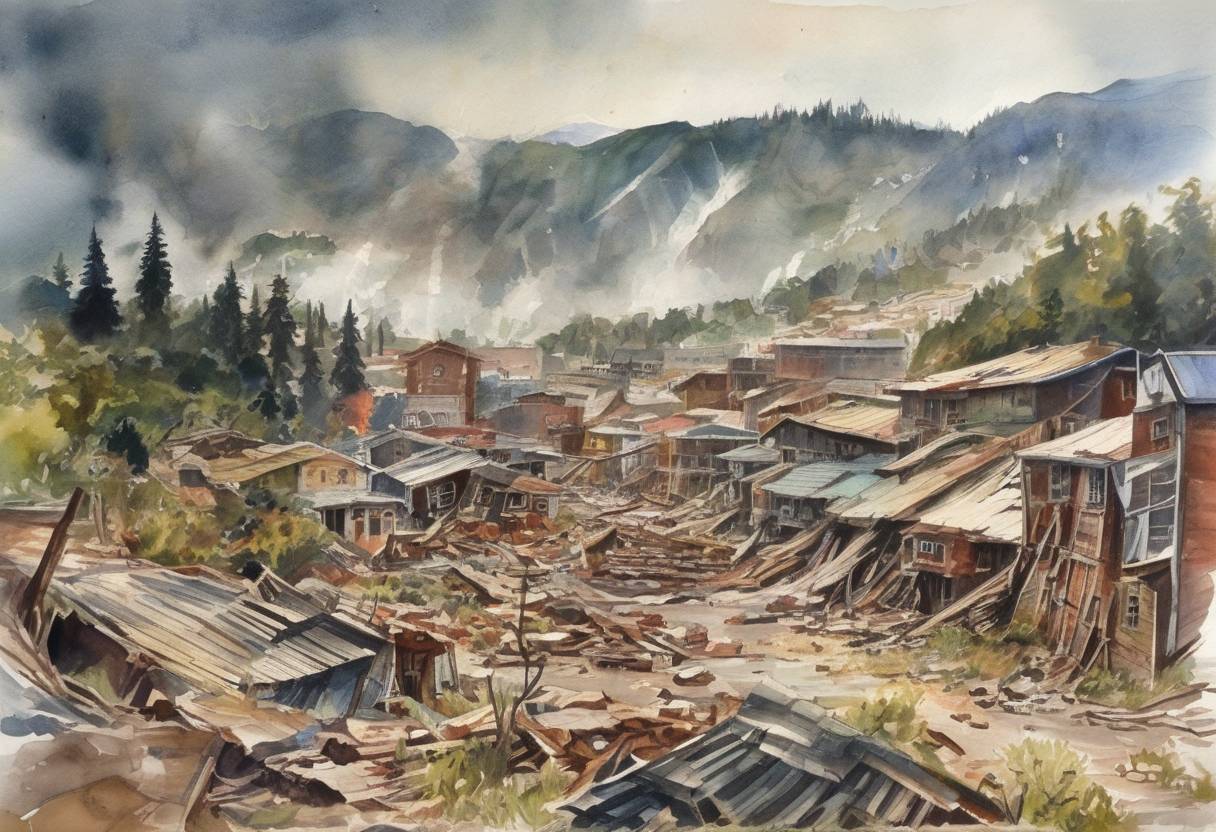
On May 22, 1960, the most powerful earthquake ever recorded struck southern Chile. Known as the Great Chilean Earthquake, it reached a magnitude of 9.5 on the moment magnitude scale, causing widespread devastation and significantly impacting the region and beyond.
The earthquake occurred in the afternoon at 3:11 PM local time and was the culmination of a series of seismic events that had begun the previous day. The region of southern Chile is situated along the boundary between the Nazca and South American tectonic plates, an area known for its seismic activity due to the subduction of the Nazca plate beneath the South American plate.
Epicenter and Affected Areas: The epicenter was located near Lumaco, approximately 570 kilometers south of Santiago, Chile. The cities of Valdivia, Puerto Montt, and Concepción were among the most affected.
Tsunami: The earthquake generated a massive tsunami that traveled across the Pacific Ocean, affecting coastal areas as far away as Hawaii, Japan, the Philippines, New Zealand, and the west coast of the United States. In Chile, the tsunami waves reached heights of up to 25 meters in some areas.
Casualties and Damage: The earthquake and subsequent tsunami resulted in the deaths of an estimated 1,000 to 6,000 people. It left over 2 million people homeless and caused extensive damage to infrastructure, including roads, bridges, and buildings.
Economic Impact: The economic impact was severe, with damages estimated at \(400 million (equivalent to approximately \)4 billion today). The Chilean government and international community mobilized to provide aid and support for reconstruction efforts.
Geological Impact: The earthquake caused significant geological changes, including the subsidence of land in some areas and the formation of new lakes due to landslides blocking rivers.
Scientific and Engineering Advances: The event led to advancements in the understanding of seismic activity and the development of improved building codes and disaster preparedness strategies worldwide. It highlighted the need for better tsunami warning systems, which have since been implemented in many regions.
The Great Chilean Earthquake of 1960 remains a pivotal event in the history of seismology and disaster management. It underscored the importance of international cooperation in disaster response and the need for resilient infrastructure in earthquake-prone areas. The lessons learned from this disaster continue to inform current practices in earthquake engineering and emergency preparedness.
In summary, the Great Chilean Earthquake was not only a natural disaster of unprecedented magnitude but also a catalyst for significant advancements in how societies understand and mitigate the risks associated with seismic events.
Source: en.wikipedia.org