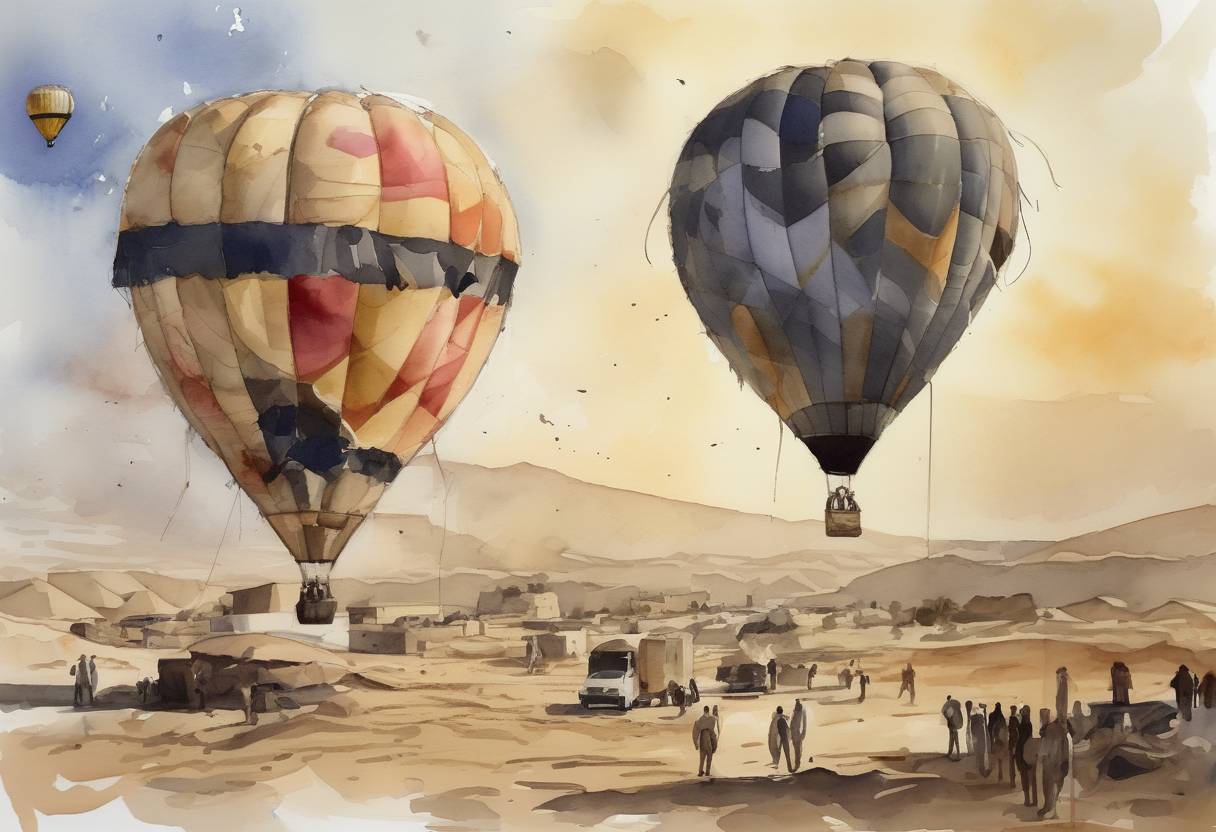
Hot Air Balloon Crash Near Luxor, Egypt - February 26, 2013
On February 26, 2013, a tragic hot air balloon accident occurred near Luxor, Egypt, resulting in the deaths of 19 tourists. This incident is considered one of the deadliest ballooning accidents in history.
Background
Luxor, known for its rich history and proximity to ancient Egyptian sites such as the Valley of the Kings and Karnak Temple, is a popular tourist destination. Hot air balloon rides offer visitors a unique aerial view of these historical landmarks and the surrounding Nile River landscape.
The Incident
- Date: February 26, 2013
- Location: Near Luxor, Egypt
- Casualties: 19 tourists killed
The balloon was carrying 21 people, including tourists from various countries such as the United Kingdom, France, Japan, and Hong Kong. The accident occurred during a sunrise flight, a popular time for balloon rides due to the favorable weather conditions and stunning views.
Sequence of Events
- Takeoff: The balloon took off early in the morning as part of a routine tourist excursion.
- Fire and Explosion: A fire broke out in the balloon’s basket, leading to an explosion. The exact cause of the fire was later attributed to a fuel leak.
- Descent: The balloon rapidly descended from a height of approximately 1,000 feet (300 meters).
- Impact: The balloon crashed into a sugarcane field, resulting in the deaths of 19 passengers. The pilot and one tourist survived but sustained serious injuries.
Aftermath and Investigation
Following the accident, Egyptian authorities launched an investigation to determine the cause of the fire and explosion. The investigation revealed that a fuel leak had occurred, which ignited and caused the balloon to catch fire.
Safety Measures and Repercussions
- Suspension of Flights: In the immediate aftermath, hot air balloon flights in the Luxor area were suspended as safety inspections and reviews were conducted.
- Regulatory Changes: The incident prompted stricter safety regulations and oversight for balloon operators in Egypt to prevent similar tragedies in the future.
Historical Significance
This accident highlighted the potential risks associated with hot air ballooning, particularly in tourist-heavy regions. It underscored the importance of stringent safety protocols and regular maintenance checks to ensure the safety of passengers.
The Luxor balloon crash remains a somber reminder of the need for vigilance in adventure tourism, balancing the allure of unique experiences with the imperative of passenger safety.