Execution of Che Guevara: October 9, 1967
1967 · La Higuera, Bolivia
Che Guevara, the Argentine Marxist revolutionary, was executed in Bolivia after being captured by the Bolivian army.
January 26, 1966
In an emblematic moment of protest, military officer Valentin Trujillo served as acting president of Bolivia but was ousted by a coup one day later.
La Paz, Bolivia | Bolivian Army
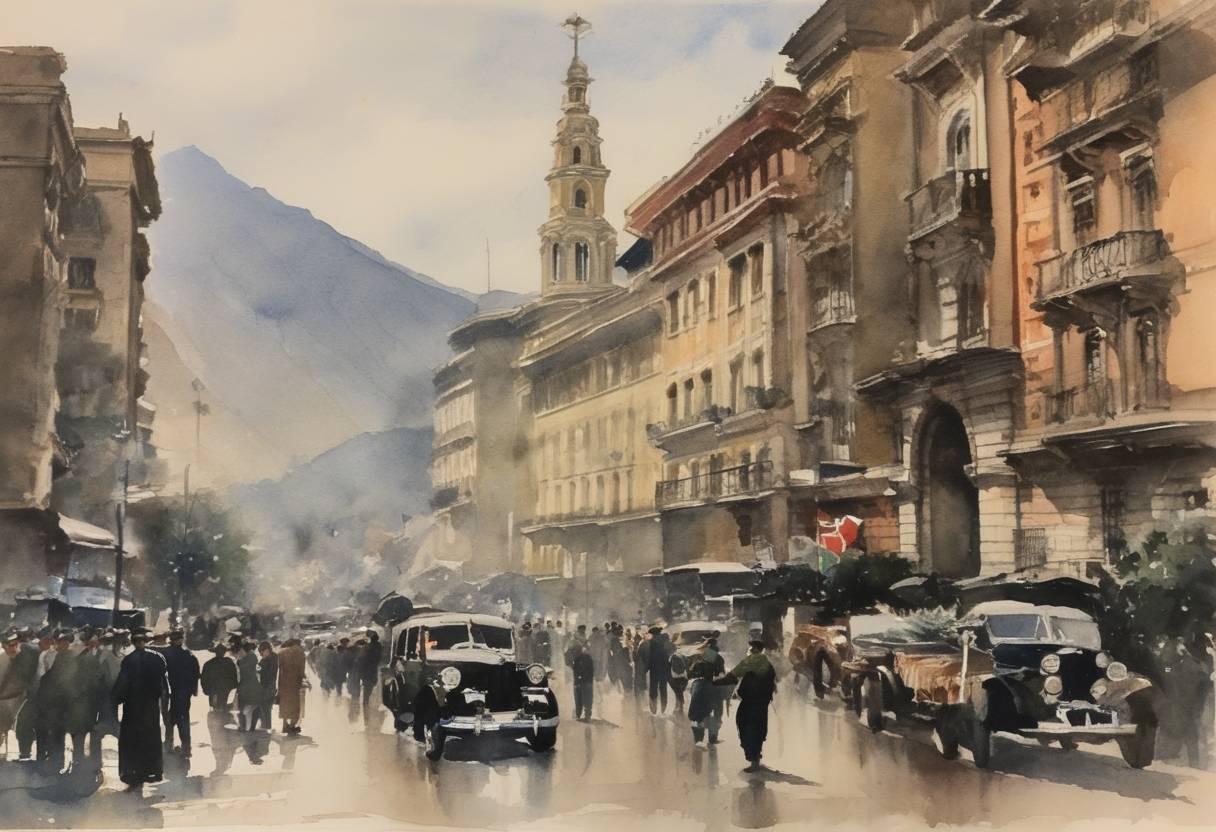
On January 26, 1966, a politically tumultuous period in Bolivia’s history, Valentin Trujillo, a military officer, was appointed as the acting President of Bolivia. His ascent to the office was a reflection of the ongoing instability in the country, characterized by frequent changes in leadership and political unrest.
During the 1960s, Bolivia was experiencing significant political volatility. After a series of military coups and transitional governments, the nation was in a fragile state. The instability was fueled by economic challenges, social discontent, and a constant power struggle involving various political and military factions.
Valentin Trujillo’s appointment as acting president was emblematic of these tensions. His brief tenure marked yet another attempt to stabilize the national government, albeit unsuccessfully.
Trujillo’s rise to power came amidst a backdrop of unrest and was seen as part of a broader struggle between left-leaning forces and conservative sectors within Bolivia. His short-lived presidency was an attempt by his faction to bring about a temporary balance and control, aiming to address the demands of different political stakeholders.
Just one day after taking office, Trujillo was ousted from power in yet another coup on January 27, 1966. This swift change underscored the pervasive instability within the Bolivian political landscape. The coup that displaced him was orchestrated by rivals who were dissatisfied with his leadership, favoring another shift towards a different political and military alignment.
The episode illustrates the extreme volatility of Bolivian politics during this era, marked by a series of coups that defied lasting governance. The frequent power shifts hindered long-term political stability and social progress, contributing to a cycle of economic and social challenges that the country had to address in subsequent decades.
Valentin Trujillo’s brief presidency, while emblematic of Bolivia’s political dynamics of the time, did not leave a lasting impact on the country’s governance or policies. Instead, it represented the broader struggles and the transitory nature of leadership during a tumultuous period of Bolivian history.
Source: en.wikipedia.org