Introduction of Civil Registration in England and Wales (1837)
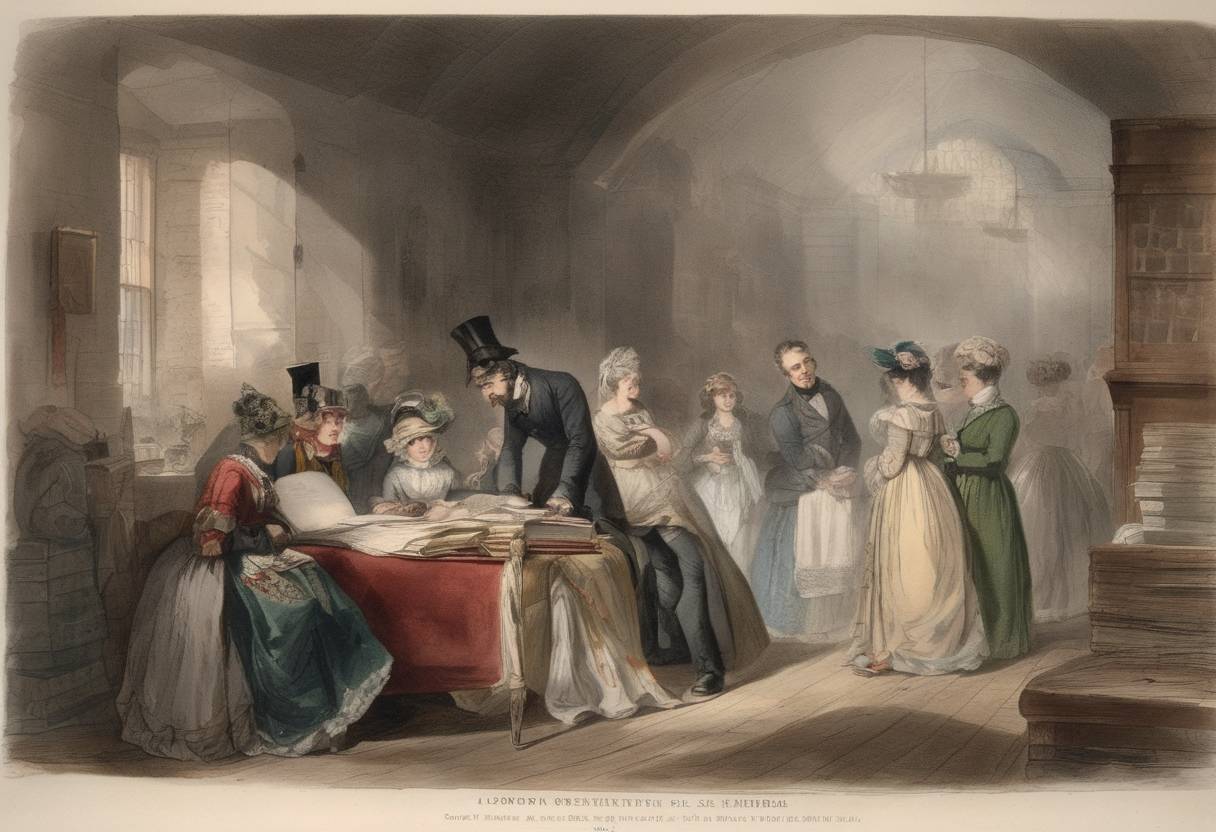
On July 1, 1837, a significant development in the administration of public records occurred as England and Wales introduced a system of civil registration for births, deaths, and marriages, replacing the traditional parish registers. This change established a more centralized and uniform method for recording crucial life events, marking an essential step in the development of modern state administration and demographic statistics.
Background
Prior to 1837, births, deaths, and marriages in England and Wales were primarily recorded by the Church of England in parish registers. This informal system often lacked consistency and completeness, particularly concerning non-Anglicans and those residing in remote areas. Various nonconformist religious groups, acknowledging the limitations of this system, kept their own records, contributing to fragmentation.
Implementation of Civil Registration
The passage of the Births and Deaths Registration Act of 1836 and the Marriage Act 1836 laid the groundwork for the change. Under these laws:
- The General Register Office (GRO) was established to oversee the registration process.
- Registrars were appointed in local districts to maintain records of births, deaths, and marriages.
- Standardized forms and procedures were introduced to ensure consistency and accuracy in record-keeping.
The civil registration system aimed to provide a comprehensive and authoritative register that would improve governance, facilitate inheritance and succession matters, and support statistical analysis of the population.
Consequences and Significance
The new system represented a milestone in the secularization of public records, reducing the Church’s influence over these personal events. Over time, civil registration proved immensely beneficial for:
- Legal identification and protection of individual rights.
- Public health monitoring and planning, as mortality data became a resource for health policy development.
- Genealogical research and population studies, allowing future generations to trace ancestry and demographic trends.
The success of the system also paved the way for similar initiatives in other countries, influencing the global standard for record-keeping.
Broader Implications
The introduction of civil registration in England and Wales was part of a broader movement towards bureaucratic modernization during the Victorian era, reflecting the growing role of the state in the everyday lives of its citizens. It underscored the importance of reliable data in governance and societal advancement, laying a foundation that remains relevant in contemporary society.
By institutionalizing the registration of life events, these Acts not only reshaped administrative practices but also contributed to the emergence of a more organized and informed public administration system.
In summary, the shift from parish to civil registration on July 1, 1837, marked a pivotal change in public record-keeping in England and Wales, with far-reaching impacts on legal, social, and historical domains.