The Abdication of Emperor Puyi: The End of the Qing Dynasty
1912 · Beijing, China
The last Emperor of China, Puyi, abdicates the throne, marking the end of the Qing Dynasty and the imperial era in China.
June 18, 1900
The Empress Dowager Cixi of China orders all foreigners to be killed during the Boxer Rebellion.
Beijing, China | Qing Dynasty
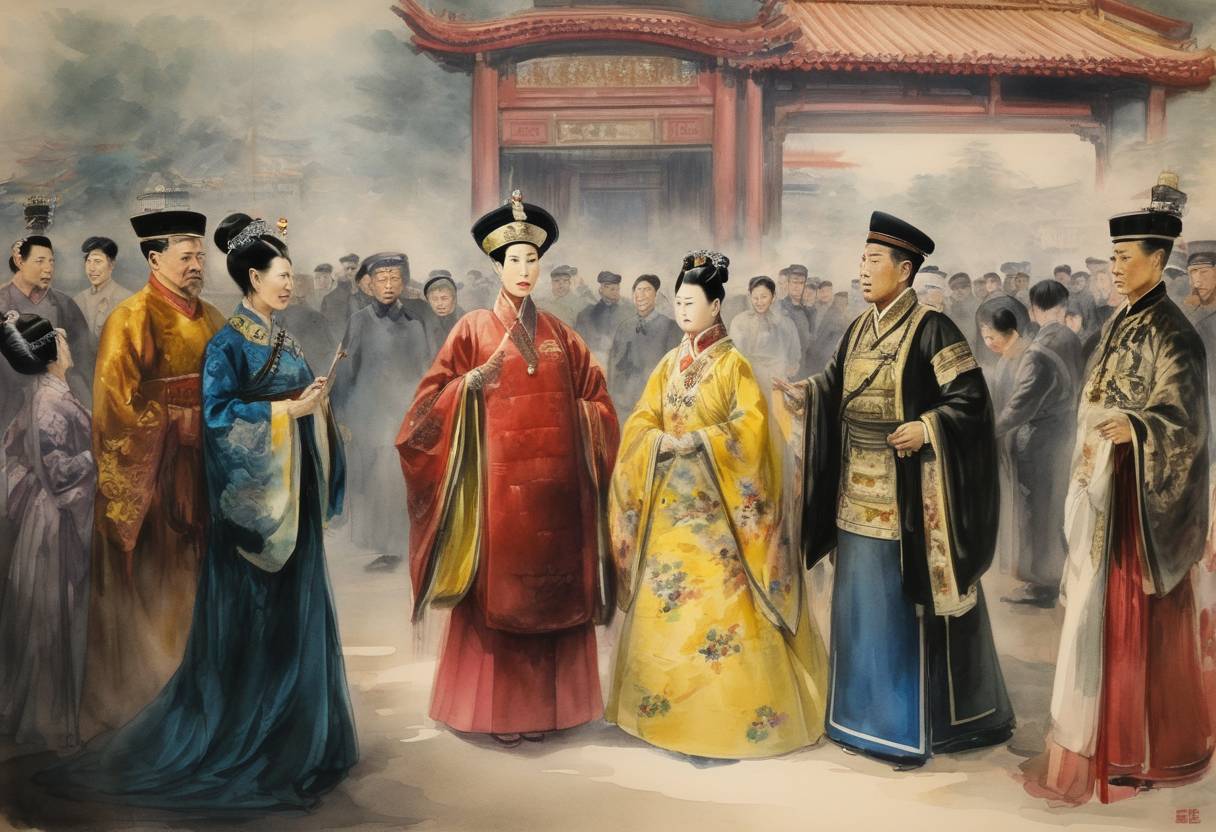
By the late 19th century, China faced mounting internal strife and external pressures. The Qing Dynasty, under the rule of the Empress Dowager Cixi, grappled with foreign imperialism and internal dissent. The Boxer Rebellion, originating from anti-foreign and anti-Christian ideals, gained momentum in 1899 as the “Boxers”—a peasant-led sect—initiated uprisings against foreign interests and Chinese Christians.
The Boxer Rebellion was rooted in the deep-seated resentment of foreign influence in China, exacerbated by economic distress and natural disasters attributed to foreign presence. The Boxers believed their martial practices bestowed invulnerability, inspiring confidence in their cause to rid China of foreign elements.
Initially, the Qing government tried to suppress the Boxers but met with little success. As Boxer ranks swelled, anti-foreign sentiment penetrated deeper layers of the Chinese society, including sections of the Qing court. As the Boxers gained influence, the prospect of leveraging their unrest against foreign powers seemed viable to officials like the Empress Dowager Cixi.
On June 18, 1900, amid growing tensions and Boxer activity, Empress Dowager Cixi issued an imperial edict that marked a significant escalation in the conflict. Under extreme pressure and influenced by elements within her court, Cixi ordered all foreign residents within China to be killed. This directive was part of a broader official support for the Boxer uprising, representing a desperate attempt to assert Chinese sovereignty and expel foreign powers.
The issuance of this edict marked a turning point in the Boxer Rebellion:
The edict ultimately catalyzed the intervention of Western and Japanese forces, leading to the suppression of the Boxer Rebellion by these foreign powers. The Qing Dynasty faced severe reparations and further loss of control over their sovereignty. The event underscored the fragility of the Qing dynasty in the face of both internal rebellion and external aggression, contributing to the eventual fall of the Qing regime in 1912.
The Boxer Rebellion and its repression marked a pivotal episode in the annals of modern Chinese history, reshaping China’s interactions with foreign powers and sowing seeds for the eventual revolutionary changes in the early 20th century.
Source: en.wikipedia.org