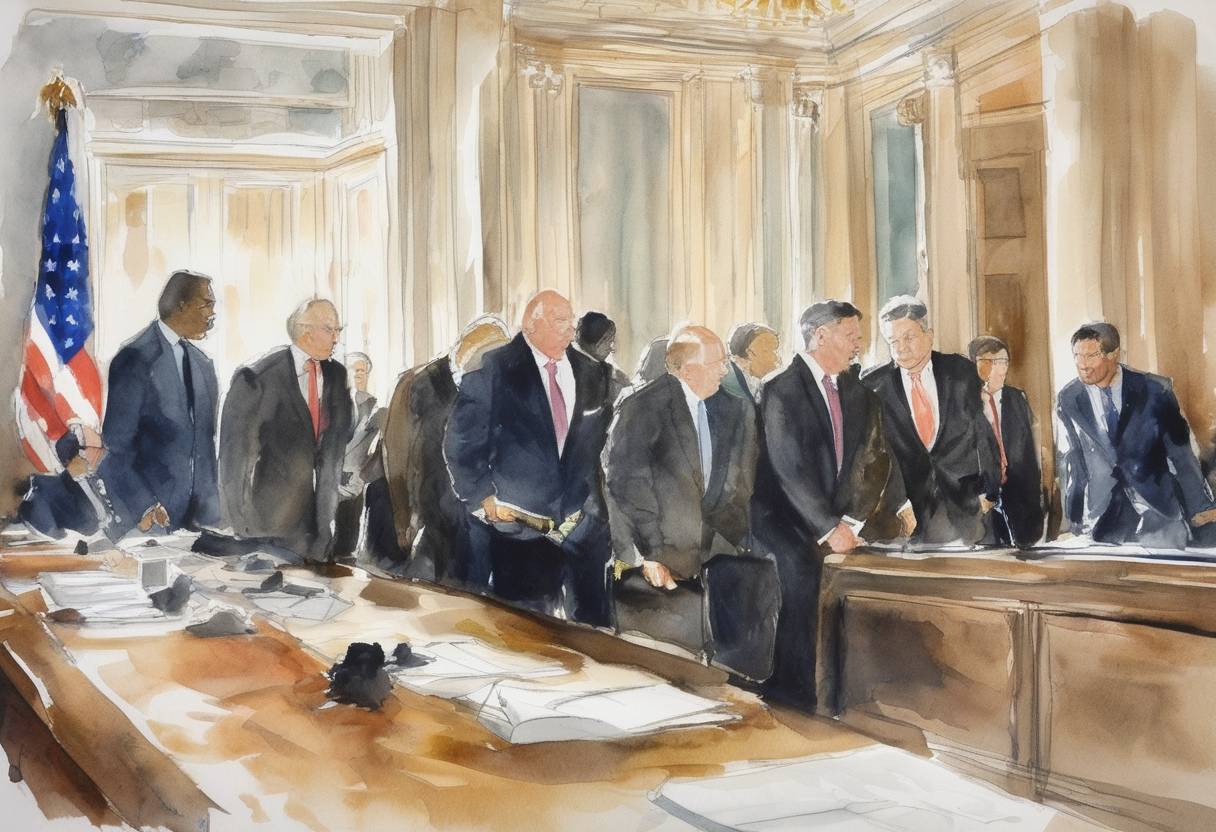
Nuclear Security Summit in Washington, D.C. - April 13, 2010
On April 13, 2010, the United States hosted an unprecedented Nuclear Security Summit in Washington, D.C., under the leadership of President Barack Obama. This event brought together leaders and representatives from 47 countries, marking a significant international effort to address the pressing issue of nuclear security.
Context and Background
The summit was part of a broader initiative by President Obama to secure nuclear materials worldwide and to prevent nuclear terrorism. This policy commitment was first articulated by Obama during a speech in Prague in April 2009, where he outlined his vision for a world free of nuclear weapons and underscored the urgency of taking concrete steps towards minimizing nuclear dangers.
Key Objectives
The summit aimed to achieve several key objectives:
- Enhance Nuclear Security: To secure all vulnerable nuclear material around the world within four years.
- Prevent Nuclear Terrorism: To prevent terrorists from acquiring nuclear weapons or the materials to build such weapons.
- International Cooperation: To strengthen international agreements and cooperation to ensure effective implementation of nuclear security measures.
Notable Outcomes
- Work Plans and Communiqués: The participating nations agreed on a work plan that outlined specific actions each country would take to improve nuclear security. This included enhancing security measures, maintaining effective responsive capabilities, and sharing best practices.
- Commitment to National Actions: Various countries announced individual commitments to secure or eliminate their nuclear materials. For instance, Ukraine agreed to eliminate its stockpile of highly enriched uranium.
- Future Summits: The success of the summit underscored the importance of continued international dialogue and cooperation, leading to subsequent Nuclear Security Summits held in Seoul (2012), The Hague (2014), and again in Washington, D.C. (2016).
Broader Historical Significance
This summit represented a pivotal moment in global nuclear diplomacy. It emphasized the non-proliferation agenda and the critical need for multilateral cooperation to confront the specter of nuclear terrorism. The collaborative efforts were seen as essential steps toward fulfilling global security and stability, reflecting the overarching recognition that nuclear threats transcended national borders.
It also highlighted the complexity and urgency of global nuclear security challenges in the 21st century, setting a precedent for international collaboration in tackling other transnational security threats.