United Kingdom General Election of May 7, 2015
2015 · London, United Kingdom
The United Kingdom held a general election, resulting in a surprise majority win for the Conservative Party led by David Cameron.
May 10, 2010
David Cameron became the Prime Minister of the United Kingdom, leading the Conservative Party in coalition with the Liberal Democrats after the general election resulted in a hung parliament.
London, United Kingdom | United Kingdom Government
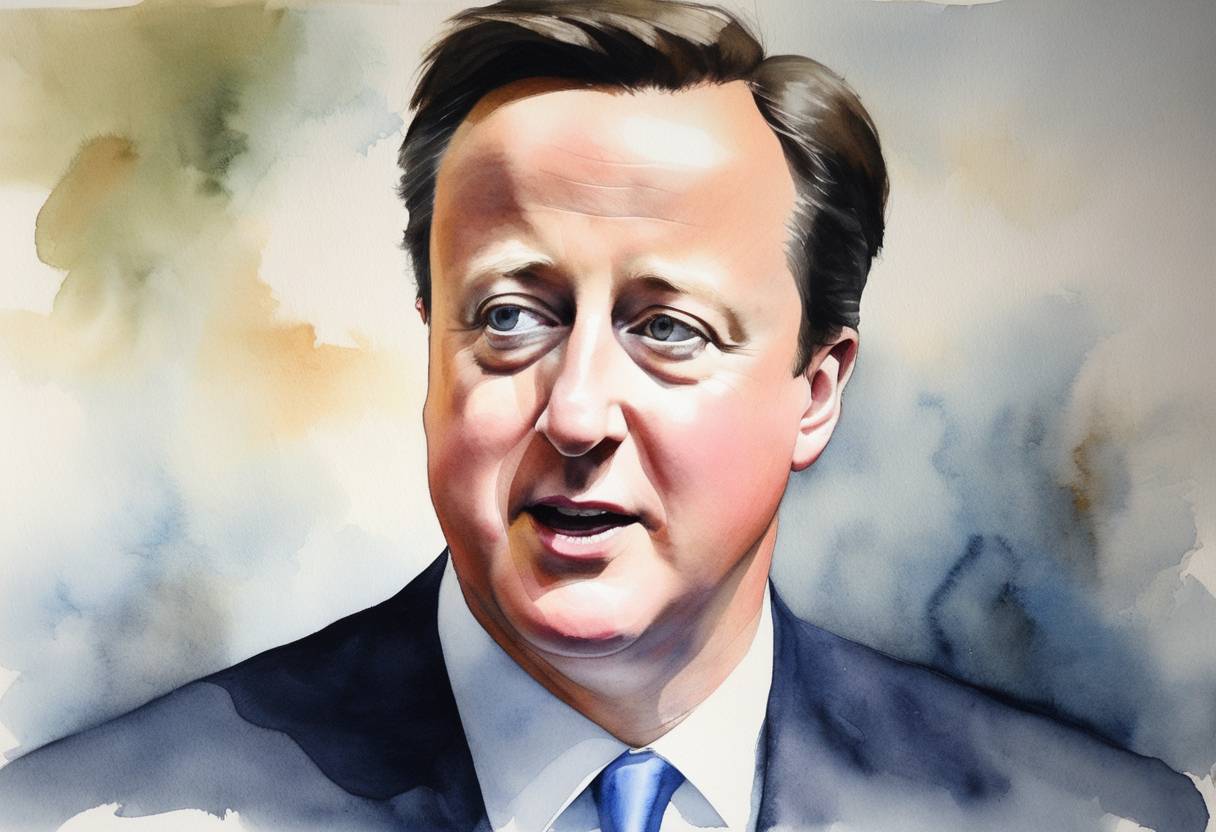
On May 11, 2010, David Cameron became the Prime Minister of the United Kingdom, following the general election on May 6, 2010, which resulted in a hung parliament. This pivotal event marked the beginning of a coalition government between the Conservative Party and the Liberal Democrats.
The 2010 general election saw no single party winning an outright majority, creating a hung parliament. The Conservative Party, led by David Cameron, won 306 out of the 650 seats. Although they emerged as the largest party, they were short of the 326 seats needed for a majority. The Labour Party, led by the incumbent Prime Minister Gordon Brown, secured 258 seats, while the Liberal Democrats, led by Nick Clegg, garnered 57 seats.
Faced with the hung parliament, negotiations ensued to form a coalition government. The Conservatives and Liberal Democrats embarked on talks, as both parties recognized the opportunity to establish a stable government. Over several days, discussions focused on key policy areas such as economic management, political reform, and social issues. Ultimately, the Conservatives and Liberal Democrats reached an agreement, marking the first coalition government in the UK since World War II.
Cameron’s ascent to the position of Prime Minister represented a significant shift in British politics. It ended 13 years of Labour government, initially ushered in by Tony Blair’s landslide victory in 1997. The coalition brought forth ambitious plans for deficit reduction, major welfare and education reform, and changes in the political system, including a proposed referendum on the alternative vote system.
The coalition government faced numerous challenges, including managing the aftermath of the 2008 financial crisis and addressing public austerity measures. Tensions occasionally arose between the Conservatives and Liberal Democrats over differing ideological priorities. Despite these challenges, the coalition lasted until 2015, when the Conservatives won a majority government in the general election, dissolving the coalition.
Cameron’s leadership during this period set the stage for pivotal changes in UK policy and political landscape, influencing subsequent debates on economic policy, social welfare, and the UK’s role within the European Union.
Source: www.bbc.com