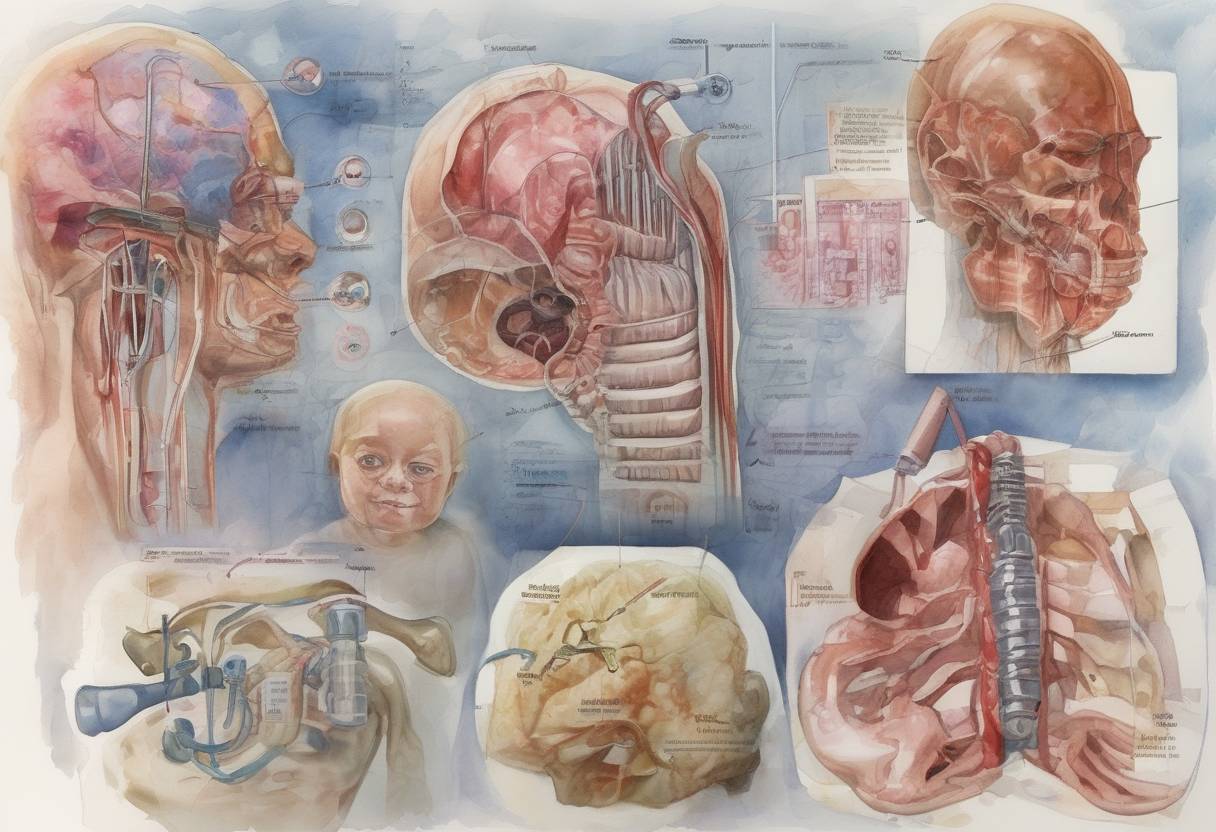
The World’s First Artificial Organ Transplant: July 5, 2011
On July 5, 2011, a groundbreaking medical procedure took place at the Karolinska University Hospital in Stockholm, Sweden. This event marked the world’s first successful artificial organ transplant using an artificial windpipe, or trachea, coated with the patient’s own stem cells. This innovative surgery was a significant milestone in regenerative medicine and transplant surgery.
Background
The patient, a 36-year-old man named Andemariam Teklesenbet Beyene, was suffering from a life-threatening tracheal cancer. Traditional treatment options were limited, and a transplant was deemed necessary. However, finding a suitable donor organ was challenging, and the risk of rejection was high.
The Procedure
The surgical team, led by Professor Paolo Macchiarini, utilized a pioneering approach to address these challenges:
Creation of the Artificial Windpipe: The artificial trachea was made from a synthetic scaffold, designed to mimic the structure of a natural windpipe. This scaffold was created using a 3D printer, tailored to fit the patient’s anatomy precisely.
Stem Cell Coating: The scaffold was then coated with stem cells harvested from the patient’s bone marrow. These stem cells were cultured to differentiate into tracheal cells, effectively transforming the synthetic scaffold into a living organ.
Transplantation: The newly created trachea was surgically implanted into the patient. Since the organ was made using the patient’s own cells, the risk of rejection was significantly reduced.
Significance
This procedure was a landmark in medical science for several reasons:
Innovation in Transplantation: It demonstrated the potential of using synthetic organs combined with stem cell technology to overcome the limitations of donor organ shortages and immune rejection.
Advancement in Regenerative Medicine: The success of this surgery highlighted the possibilities of regenerative medicine, where damaged tissues and organs can be repaired or replaced using the patient’s own cells.
Future Implications: This breakthrough opened new avenues for research and development in artificial organ transplants, potentially benefiting patients with various organ failures in the future.
Aftermath
Following the surgery, the patient was reported to have recovered well, with the new trachea functioning effectively. This success story inspired further research into synthetic organ transplants and stem cell applications, although it also sparked discussions about the ethical and technical challenges associated with such advanced medical procedures.
In conclusion, the artificial windpipe transplant performed on July 5, 2011, was a pioneering achievement that showcased the potential of combining synthetic materials with biological cells to create viable organ replacements, paving the way for future innovations in the field of medicine.