Colectiv Nightclub Fire in Bucharest, Romania - October 30, 2015
2015 · Bucharest, Romania
A nightclub fire in Bucharest, Romania, killed 64 people and injured 147, leading to nationwide protests against corruption and poor safety standards.
January 27, 2013
A fire at the Kiss nightclub in Santa Maria, Brazil, kills 242 people, becoming one of the deadliest nightclub fires in history.
Santa Maria, Brazil | Kiss Nightclub
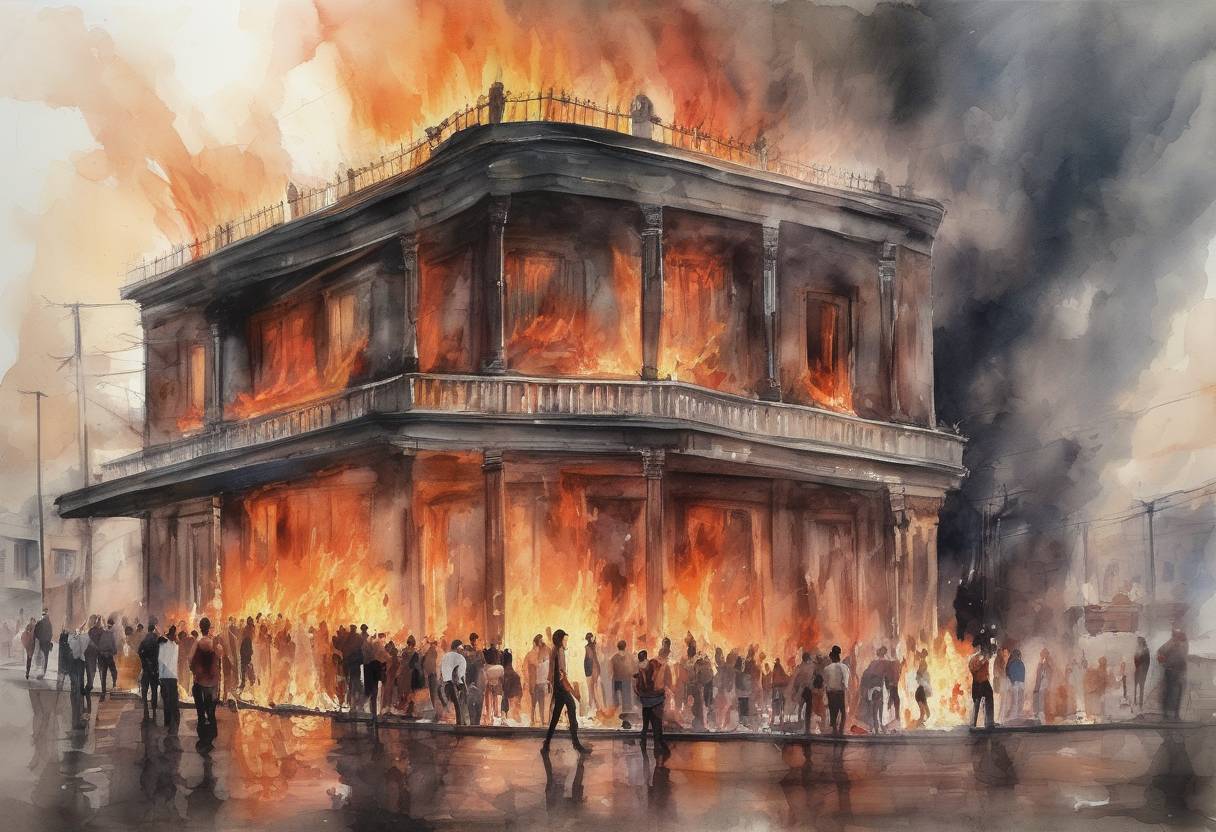
On January 27, 2013, a devastating fire broke out at the Kiss nightclub in Santa Maria, a city in the southern Brazilian state of Rio Grande do Sul. This tragic event resulted in the deaths of 242 people and injured over 600 others, marking it as one of the deadliest nightclub fires in history.
The Kiss nightclub was a popular venue among university students in Santa Maria, a city known for its vibrant student population. On the night of the fire, the club was hosting a party for students from the Federal University of Santa Maria. The event featured live music performances, including a band named Gurizada Fandangueira.
The fire began in the early hours of the morning when the band’s pyrotechnic display ignited the club’s ceiling. The pyrotechnics, intended for outdoor use, set fire to the soundproofing foam on the ceiling, which quickly spread toxic smoke throughout the venue. The nightclub was overcrowded, with estimates suggesting that it exceeded its maximum capacity of 691 people.
The aftermath of the fire saw widespread mourning across Brazil and prompted national debates about safety regulations and enforcement in public venues. Several key consequences followed:
The Kiss nightclub fire highlighted critical issues regarding public safety, regulatory oversight, and emergency preparedness in Brazil. It underscored the need for rigorous enforcement of safety standards and raised awareness about the potential dangers of pyrotechnics in enclosed spaces. The tragedy also served as a somber reminder of the importance of adequate emergency exits and crowd control measures in public venues worldwide.
In conclusion, the Kiss nightclub fire remains a poignant chapter in Brazil’s history, with lasting implications for public safety and regulatory practices. The memory of the victims continues to influence discussions on safety standards and emergency response protocols.
Source: www.bbc.com