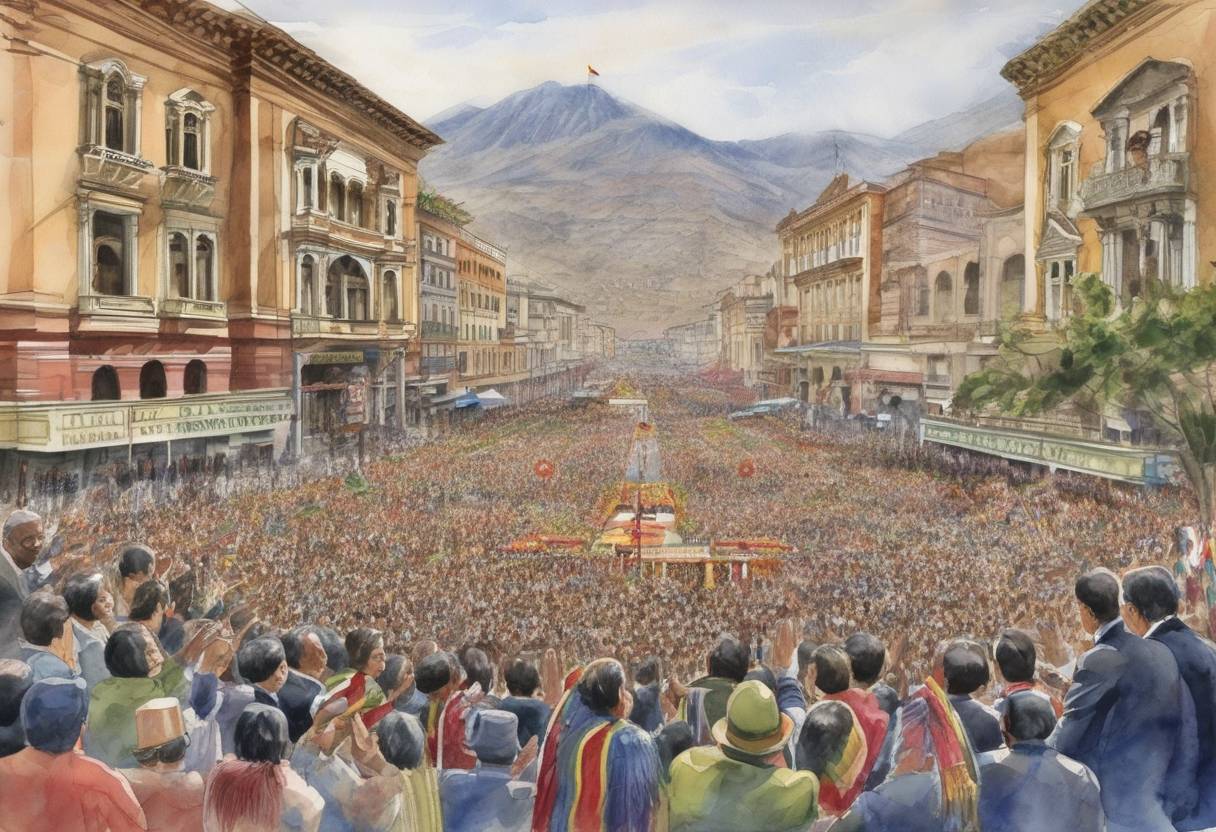
Evo Morales Inaugurated as Bolivia’s First Indigenous President
On January 25, 2006, Evo Morales was inaugurated as the first indigenous president of Bolivia, marking a pivotal moment in the nation’s history. This event represented a significant shift in Bolivia’s political landscape, reflecting broader social and cultural changes within the country.
Background
Historical Context
- Indigenous Population: Bolivia has a majority indigenous population, primarily composed of Aymara, Quechua, and other indigenous groups. Despite their numbers, indigenous peoples had historically been marginalized in Bolivian politics and society.
- Political Climate: Prior to Morales’s election, Bolivia experienced political instability, with frequent changes in leadership and widespread dissatisfaction with neoliberal economic policies that many felt exacerbated inequality.
Rise of Evo Morales
- Political Career: Evo Morales, an Aymara, rose to prominence as a leader of the coca growers’ union. His political career was marked by advocacy for indigenous rights and opposition to U.S.-backed anti-drug policies.
- Movement for Socialism (MAS): Morales founded the Movement for Socialism (Movimiento al Socialismo, MAS), a political party that sought to represent the interests of indigenous peoples and the working class.
The 2005 Election
- Victory: In the December 2005 presidential election, Morales won a decisive victory with over 53% of the vote, becoming the first candidate in decades to win an outright majority in a Bolivian presidential election.
- Platform: His campaign focused on nationalizing natural resources, promoting indigenous rights, and implementing social reforms to reduce poverty and inequality.
Inauguration and Policies
Inauguration Ceremony
- Symbolism: Morales’s inauguration was rich in indigenous symbolism, reflecting his commitment to representing Bolivia’s indigenous majority. The ceremony included traditional rituals and was attended by indigenous leaders from across the Americas.
Early Policies
- Nationalization: One of Morales’s first major actions was the nationalization of Bolivia’s natural gas industry, a move aimed at increasing state revenue and funding social programs.
- Constitutional Reform: Morales initiated efforts to draft a new constitution, which was eventually approved in 2009. The new constitution recognized Bolivia as a plurinational state and granted greater autonomy to indigenous communities.
Broader Significance
- Social Change: Morales’s presidency marked a turning point in Bolivian history, as it brought indigenous issues to the forefront of national politics and inspired similar movements across Latin America.
- Economic Impact: Under Morales, Bolivia experienced significant economic growth, driven by the nationalization of key industries and increased social spending.
- Controversies: Despite his achievements, Morales’s tenure was not without controversy, including allegations of authoritarianism and disputes over term limits, which eventually led to his resignation in 2019.
In summary, Evo Morales’s inauguration as Bolivia’s first indigenous president on January 25, 2006, was a landmark event that reshaped the country’s political and social landscape, highlighting the importance of indigenous representation and setting the stage for significant economic and constitutional changes.