Qatar's Decision to Leave OPEC
2018 · Doha, Qatar
Qatar announces its decision to leave the Organization of the Petroleum Exporting Countries (OPEC) after nearly 60 years of membership, effective January 2019, to focus on its natural gas production.
September 3, 1971
Qatar gained independence from the United Kingdom, becoming a sovereign state.
Doha, Qatar | Qatari Government
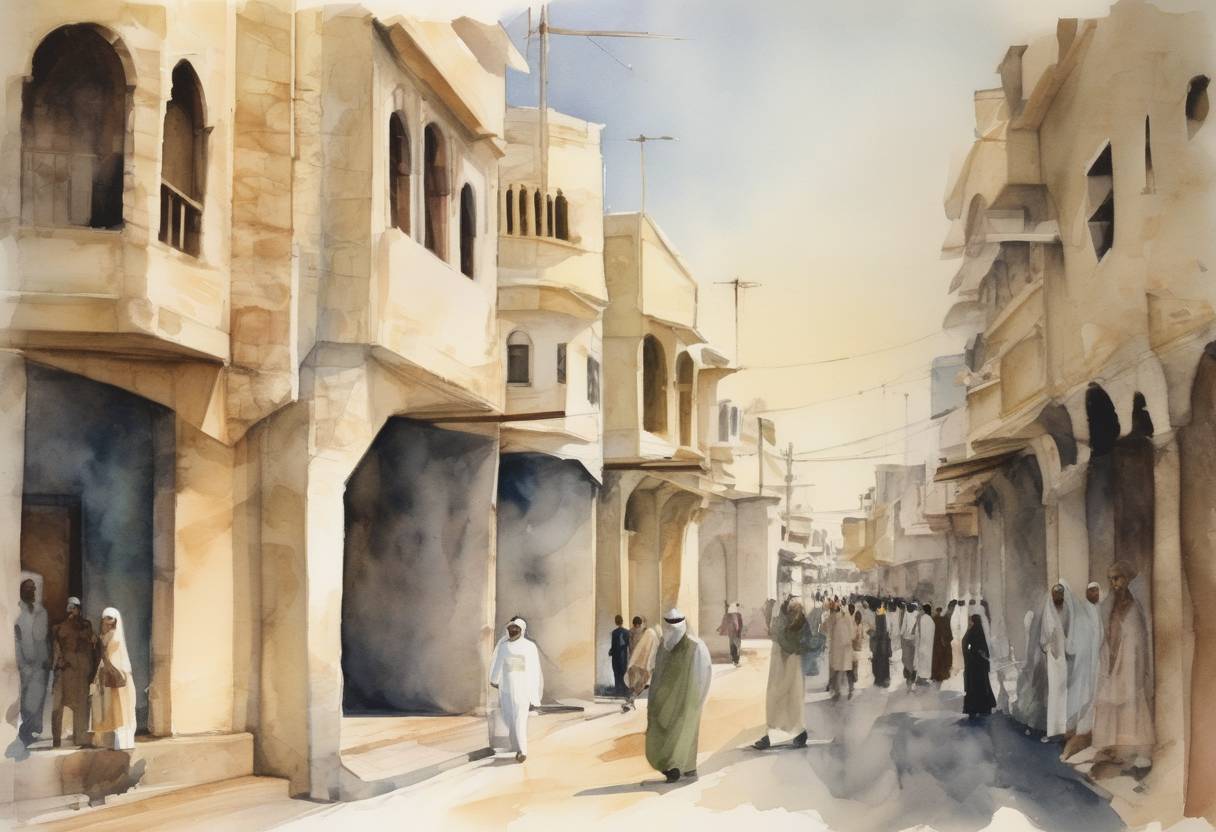
On September 3, 1971, Qatar officially gained independence from the United Kingdom, marking a significant milestone in its history as it emerged as a sovereign state. This event was part of a broader wave of decolonization that swept across the Middle East and other regions during the mid-20th century.
British Influence: Qatar had been under British protection since the early 20th century. The Anglo-Qatari Treaty of 1916 formalized this relationship, granting Britain control over Qatar’s foreign affairs and defense in exchange for protection against external threats.
Regional Changes: The post-World War II era saw increasing pressure for decolonization. The British Empire, weakened by the war and facing economic challenges, began withdrawing from its overseas commitments. This shift was particularly evident in the Persian Gulf region.
Oil Discovery: The discovery of oil in Qatar in the 1940s significantly altered its economic landscape, providing the financial resources necessary for modernization and development. This newfound wealth played a crucial role in Qatar’s push for independence.
Treaty Negotiations: In the late 1960s, Britain announced its intention to withdraw its military presence from the Gulf by 1971. This prompted Qatar and other Gulf states to negotiate new arrangements for self-governance and security.
Independence Declaration: On September 3, 1971, Qatar declared its independence. The British-Qatari treaty was terminated, and Qatar assumed full control over its domestic and foreign affairs.
Constitutional Developments: Following independence, Qatar began establishing its governmental framework. A provisional constitution was adopted, laying the groundwork for the country’s political and legal systems.
International Recognition: Qatar quickly gained recognition from the international community and joined the United Nations on September 21, 1971. It also became a member of the Arab League and other international organizations.
Economic Growth: Independence allowed Qatar to fully capitalize on its oil and gas reserves, leading to rapid economic growth and development. The country invested heavily in infrastructure, education, and healthcare, transforming itself into a modern state.
Regional Influence: Over the decades, Qatar has leveraged its economic power to increase its influence in regional and global affairs. It has played a mediating role in various conflicts and has become a hub for international diplomacy and commerce.
Qatar’s independence marked the beginning of a new era, allowing it to chart its own course and emerge as a significant player on the world stage. The events of September 3, 1971, laid the foundation for the prosperous and influential nation that Qatar is today.
Source: en.wikipedia.org