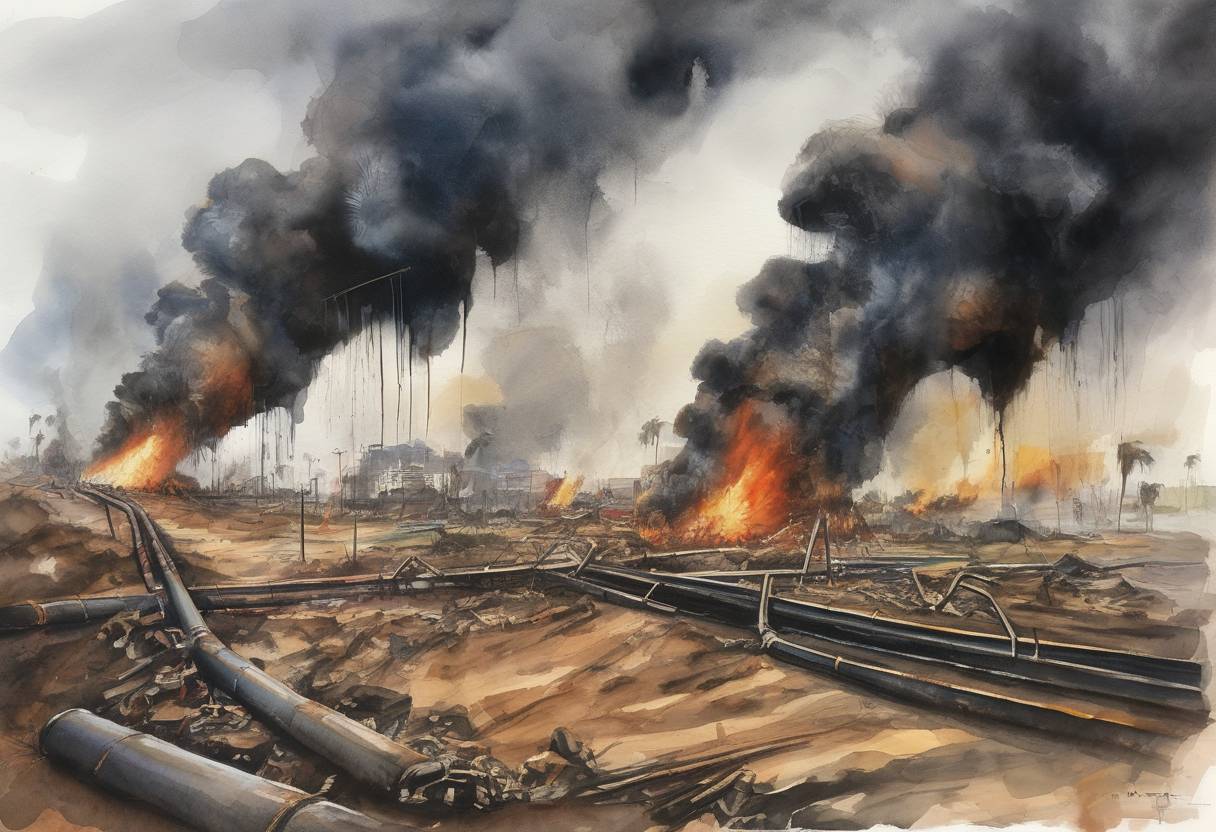
Oil Pipeline Explosion in Lagos, Nigeria - December 26, 2006
On December 26, 2006, a catastrophic oil pipeline explosion occurred in the Abule Egba district of Lagos, Nigeria, resulting in the tragic deaths of at least 260 people. This disaster was one of the deadliest in a series of similar incidents that have plagued Nigeria, a country rich in oil resources but beset by challenges in managing its oil infrastructure.
Background
Nigeria is one of Africa’s largest oil producers, with its economy heavily reliant on the oil and gas sector. However, the country has long struggled with issues of oil theft and pipeline vandalism. Many impoverished communities, driven by economic desperation, resort to illegal tapping of pipelines to siphon oil, which is then sold on the black market.
The Explosion
The explosion on December 26, 2006, was triggered by thieves attempting to siphon oil from a pipeline operated by the Nigerian National Petroleum Corporation (NNPC). The act of puncturing the pipeline to extract fuel led to a massive leak, which subsequently ignited, causing a devastating explosion and fire.
- Casualties: The explosion resulted in the deaths of at least 260 people, with many more injured. The victims included men, women, and children who had gathered to collect the leaking fuel.
- Destruction: The fire destroyed nearby homes and properties, leaving a scene of devastation in the densely populated area.
Aftermath and Consequences
The tragedy highlighted several critical issues:
- Pipeline Security: The incident underscored the need for improved security and maintenance of Nigeria’s extensive network of oil pipelines.
- Economic Inequality: It brought attention to the severe economic disparities in Nigeria, where many people live in poverty despite the country’s oil wealth.
- Government Response: In the wake of the disaster, the Nigerian government faced increased pressure to address the root causes of oil theft and improve safety measures.
Broader Historical Significance
This explosion was part of a pattern of similar incidents in Nigeria, reflecting ongoing challenges in the country’s oil sector. It emphasized the urgent need for reforms to ensure the safety and security of oil infrastructure and to address the socio-economic conditions that drive individuals to engage in such dangerous activities.
The 2006 Lagos pipeline explosion remains a poignant reminder of the human cost of oil theft and the complex interplay between resource wealth and poverty in Nigeria.