East Timor's Independence: May 20, 2002
2002 · Dili, East Timor
East Timor becomes the first new sovereign state of the 21st century, regaining independence from Indonesia.
December 31, 2012
The United Nations Security Council ended its peacekeeping mission in East Timor, known as the United Nations Integrated Mission in Timor-Leste (UNMIT), after the country achieved significant stability following its independence in 2002.
Dili, East Timor | United Nations
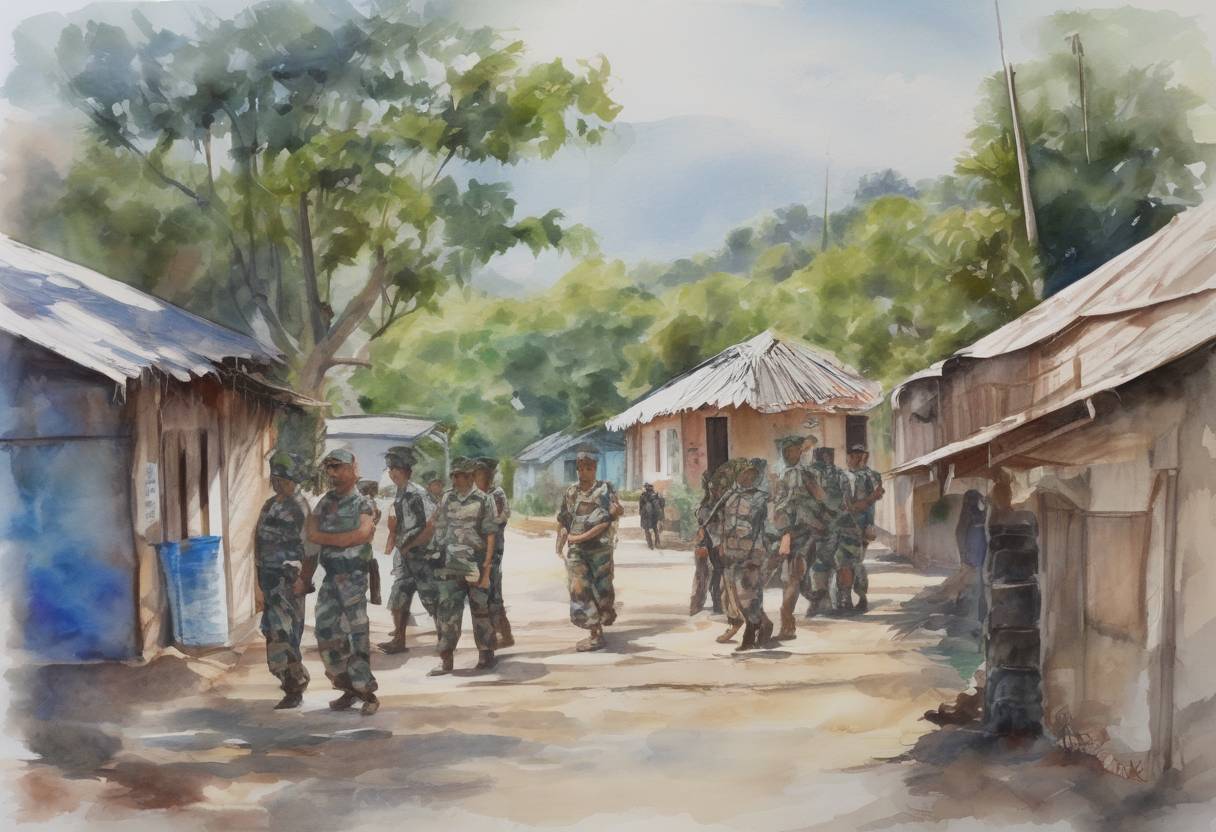
On December 31, 2012, the United Nations Security Council officially concluded its peacekeeping mission in East Timor, known as the United Nations Integrated Mission in Timor-Leste (UNMIT). This marked a significant milestone in the country’s journey towards stability and self-governance following its tumultuous path to independence.
East Timor, also known as Timor-Leste, was a Portuguese colony until 1975. Following a brief period of independence, it was invaded and occupied by Indonesia. This occupation lasted until 1999, during which time the region experienced significant violence and human rights abuses.
In 1999, a UN-sponsored referendum resulted in an overwhelming vote for independence from Indonesia. The aftermath of the vote saw a violent backlash from pro-Indonesian militias, leading to widespread destruction and displacement. In response, the United Nations established the International Force for East Timor (INTERFET) to restore peace and security.
East Timor officially gained independence on May 20, 2002. However, the young nation faced numerous challenges, including political instability, economic difficulties, and security concerns. In 2006, a crisis erupted involving political and military factions, which led to violence and displacement.
In response to the 2006 crisis, the United Nations Security Council established UNMIT in August 2006. The mission was tasked with supporting the government in consolidating stability, rebuilding institutions, and promoting national reconciliation. UNMIT’s mandate included providing support for the 2007 and 2012 national elections, which were crucial for the country’s democratic development.
Over the years, UNMIT played a pivotal role in fostering peace and stability in Timor-Leste. The mission assisted in strengthening the country’s police force, enhancing the rule of law, and promoting human rights. It also supported efforts to address the root causes of the 2006 crisis, contributing to a more stable political environment.
By 2012, significant progress had been made in Timor-Leste’s political and security landscape. The successful conduct of the 2012 presidential and parliamentary elections demonstrated the country’s growing political maturity and stability. As a result, the Security Council decided to conclude the mission, recognizing Timor-Leste’s achievements and its capacity to maintain peace independently.
The end of UNMIT marked a new chapter for Timor-Leste as it continued its development as a sovereign nation. The mission’s conclusion was a testament to the resilience and determination of the Timorese people and their leaders in overcoming past adversities.
Timor-Leste’s journey from conflict to peace serves as an important case study in international peacekeeping and nation-building efforts. The successful transition highlighted the critical role of international support in post-conflict recovery and the importance of local ownership in achieving sustainable peace.
The conclusion of UNMIT on December 31, 2012, was not just the end of a mission but a celebration of Timor-Leste’s progress and a hopeful step towards a stable and prosperous future.
Source: www.un.org