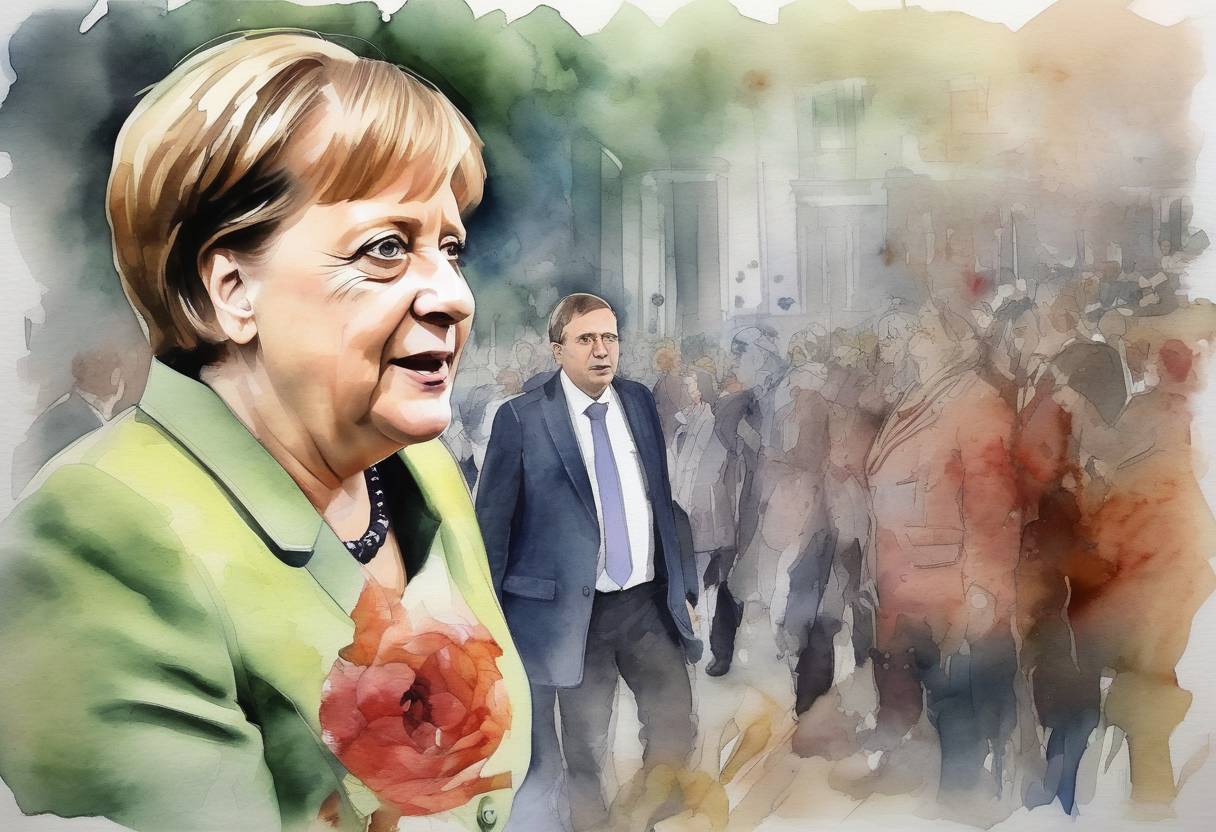
German Federal Election of September 22, 2013
On September 22, 2013, the Christian Democratic Union (CDU), led by Angela Merkel, emerged victorious in the German federal election, securing her a third term as Chancellor of Germany. This election was a significant event in German politics, reinforcing Merkel’s position as one of the most influential leaders in Europe.
Context Leading Up to the Election
Angela Merkel had been serving as Chancellor since 2005, having first been elected as the leader of a grand coalition government. By 2013, she had already established herself as a central figure in European and global politics, particularly noted for her handling of the Eurozone crisis. Her leadership style, characterized by pragmatism and a cautious approach to policy, had garnered widespread support domestically.
Key Events of the Election
CDU’s Performance: The CDU, along with its Bavarian sister party, the Christian Social Union (CSU), achieved a significant victory, securing 41.5% of the vote. This result was the party’s best performance since German reunification in 1990.
Coalition Dynamics: Despite the CDU/CSU’s strong showing, they fell short of an absolute majority in the Bundestag, necessitating the formation of a coalition government. The Free Democratic Party (FDP), their previous coalition partner, failed to surpass the 5% threshold required to enter the Bundestag, marking a significant shift in the political landscape.
SPD’s Role: The Social Democratic Party (SPD), led by Peer Steinbrück, received 25.7% of the vote. Following negotiations, the CDU/CSU entered into a grand coalition with the SPD, similar to Merkel’s first term.
Aftermath and Significance
Grand Coalition: The formation of another grand coalition underscored the CDU’s dominant position in German politics and Merkel’s ability to navigate complex political landscapes. The coalition agreement focused on various policy areas, including energy transition, minimum wage implementation, and European integration.
Merkel’s Leadership: Merkel’s third term solidified her status as a key player on the international stage, particularly in the European Union, where she played a crucial role in addressing economic challenges and geopolitical issues.
Political Landscape: The election highlighted the shifting dynamics within German politics, with the FDP’s absence from the Bundestag and the rise of smaller parties like The Left and the Greens, which continued to influence the political discourse.
Overall, the 2013 federal election was a pivotal moment in Germany’s political history, reinforcing Angela Merkel’s leadership and setting the stage for her continued influence in both national and international arenas.