End of the Broadcasting Ban on the IRA and Sinn Féin - November 1, 1994
1994 · Dublin, Ireland
The Irish Government announced the end of a 15-year broadcasting ban on the IRA and its political arm Sinn Féin.
September 25, 1996
The last of the Magdalen Asylums, Ireland's notorious institutions for so-called 'fallen women,' are closed.
Dublin, Ireland | Religious Congregations
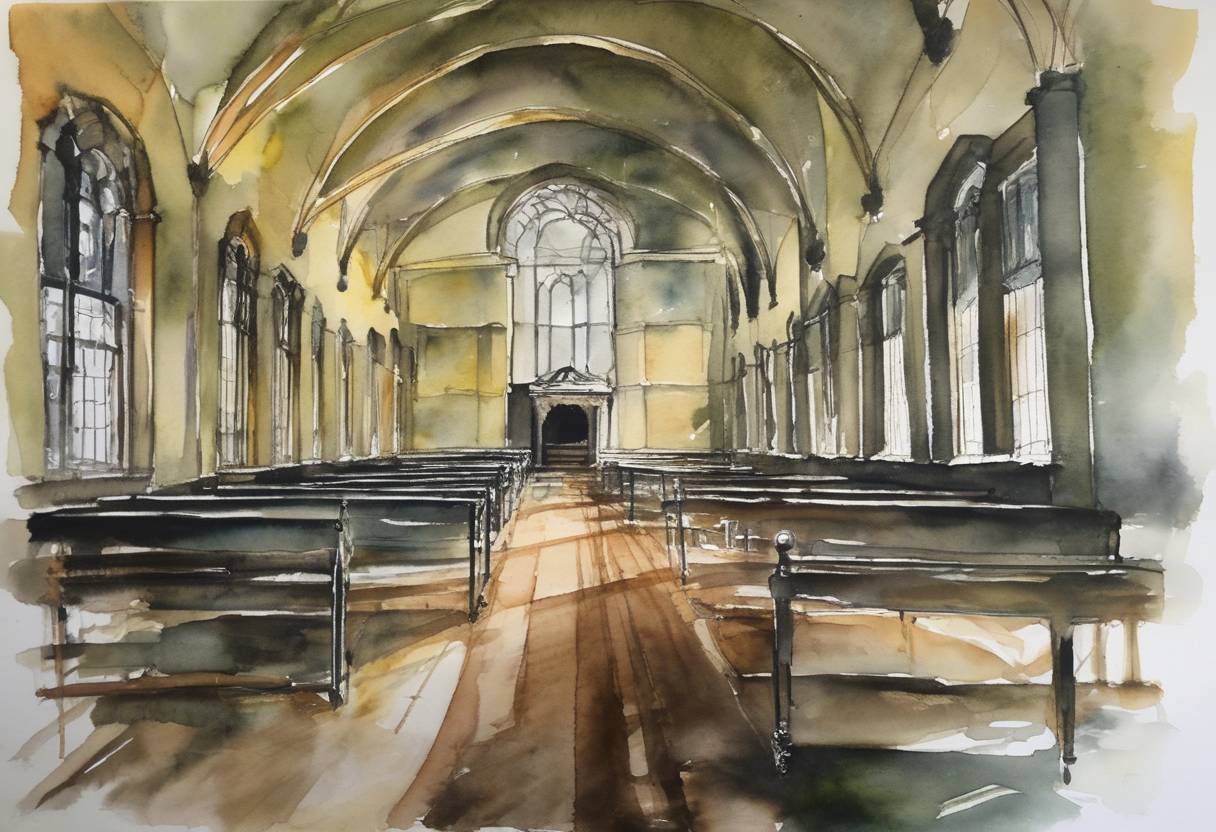
The Magdalen Asylums, also known as Magdalen Laundries, were institutions run by various religious orders in Ireland to house women labeled as “fallen” due to perceived moral transgressions, such as having children out of wedlock or being considered promiscuous. These institutions operated from the 18th century and were named after Mary Magdalene, who was considered a penitent figure in Christian tradition.
On September 25, 1996, the last of these notorious institutions in Ireland, the Magdalene Laundry on Sean McDermott Street in Dublin, was officially closed. This marked the end of more than two centuries of operations of such facilities in the country.
Women in these asylums were often subjected to harsh labor and lived in austere conditions. Many were forced to work long hours without pay, under strict supervision. The laundries were not only places of punishment but also profitable ventures for the religious institutions that ran them.
The closure of the last Magdalen Asylum prompted broader acknowledgment of the suffering endured by thousands of women. Numerous survivors and historians have since sought to bring attention to the abuses that occurred within these walls. The Irish government eventually issued a state apology in 2013, acknowledging the abuse and forced labor conducted in these institutions.
The legacy of the Magdalen Asylums continues to affect Irish society. Their closure paved the way for reconciliation efforts and inspired calls for justice and reparations for the survivors. Documentaries, reports, and survivor testimonies have highlighted the need for societal acknowledgment of these historical injustices, contributing to changing attitudes towards victims of institutional abuse in Ireland.
Source: en.wikipedia.org