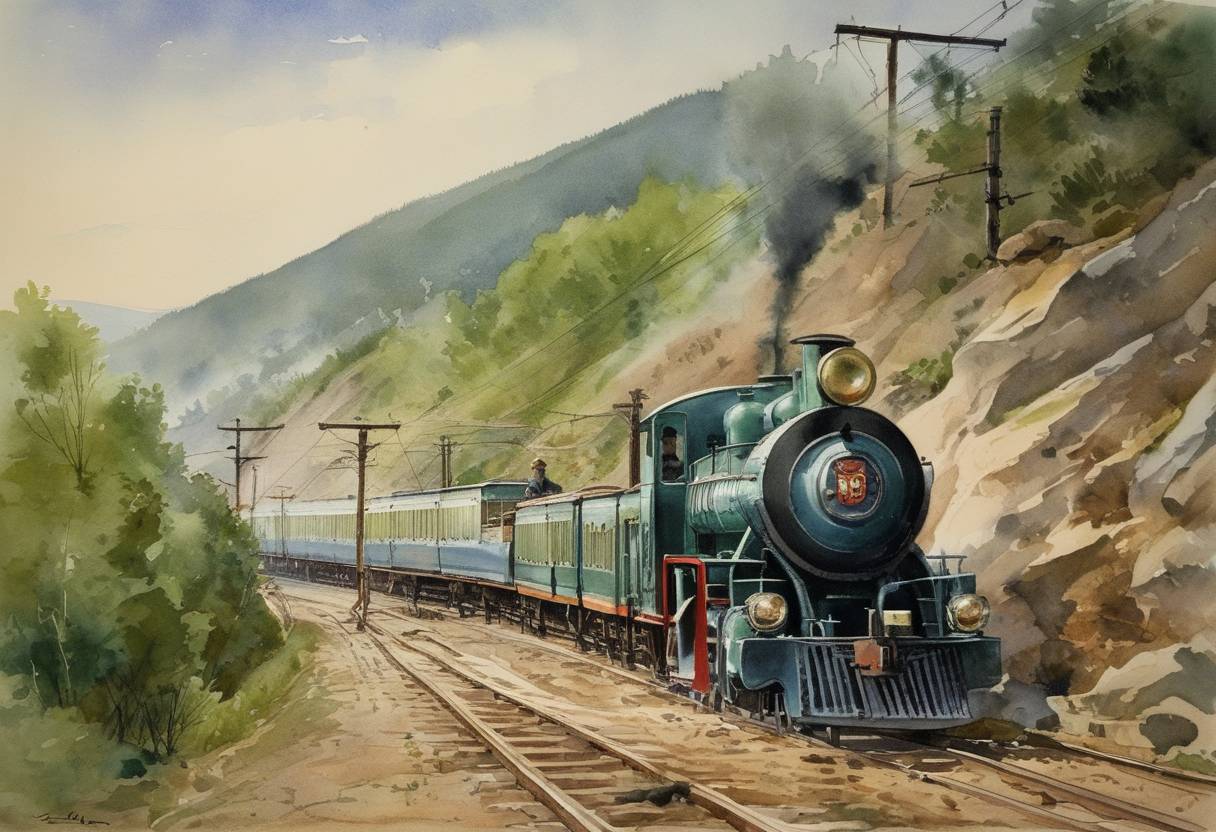
Trans-Siberian Railway: Completion on December 29, 1902
On December 29, 1902, a pivotal milestone in Russian infrastructure and transportation history was marked by the completion of the first section of the Trans-Siberian Railway. This expansive railway network dramatically enhanced connectivity within Russia, stretching from the western city of Chelyabinsk to the eastern port city of Vladivostok.
Historical Context
- Initiation: The construction of the Trans-Siberian Railway was initiated by the Russian government under the reign of Tsar Alexander III in 1891. The railway’s objective was to bridge the vast expanse of Siberia and integrate it more fully with the rest of the Russian Empire.
- Strategic Importance: The railway was conceived not only as a means for economic development but also as a strategic asset for military mobilization and territorial control, especially in the less populated Siberian region.
Development and Construction
- Engineering Feat: Constructing the Trans-Siberian Railway was a significant engineering challenge, given the harsh Siberian climate, the vast distance, and the difficult terrain which included taiga, swamps, and permafrost.
- Labor and Resources: A considerable labor force, which included soldiers, prisoners, and hired workers, was mobilized. The project required substantial resources and logistics support for success.
Impact and Consequences
- Economic Development: The railway accelerated the economic development of Siberia by facilitating the transport of goods and resources, thus opening up the region for rapid settlement and commercial exploitation.
- Trade and Mobility: It improved trade routes for Russia, particularly enhancing grain exports to international markets and increasing the movement of people and goods across great distances.
- Cultural and Social Influence: The railway also had a cultural impact by promoting interactions between diverse ethnic groups and fostering a sense of national unity across the sprawling Russian territories.
Long-term Significance
- Strategic and Military: The Trans-Siberian Railway later played a critical role during periods of conflict, including the Russo-Japanese War and throughout the Soviet era, as it remained a key asset in mobilizing troops and resources.
- Continual Usage and Upgrades: Over the years, the railway has undergone numerous upgrades and expansions, maintaining its status as a crucial artery in Russian transportation.
The completion of the first section of the Trans-Siberian Railway on December 29, 1902, was instrumental in transforming the economic, social, and geopolitical landscape of Russia, underscoring its enduring legacy in facilitating connectivity and development within the region.