Theophilos Becomes Byzantine Emperor on October 2, 829
829 · Constantinople, Byzantine Empire
Theophilos becomes Byzantine Emperor.
March 25, 0717
Leo the Isaurian is crowned as the Byzantine Emperor. His reign initiates the Isaurian dynasty and becomes notable for significant administrative reforms and religious edicts, including the controversy over iconoclasm.
Constantinople, Byzantine Empire | Byzantine Empire
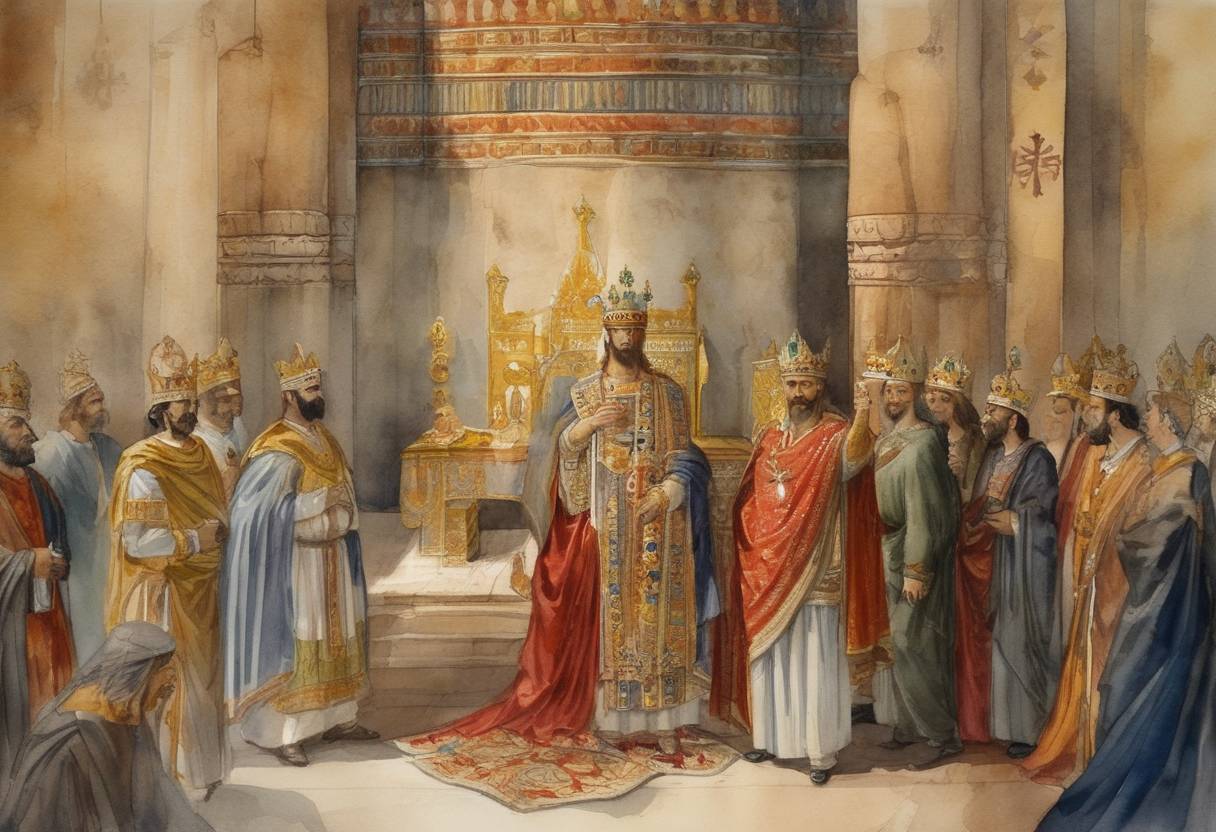
On March 25, 717, Leo the Isaurian was crowned as the Byzantine Emperor, marking the beginning of the Isaurian dynasty. He emerged as a key figure during this turbulent period in Byzantine history, characterized by significant military, administrative, and religious developments.
Before ascending the throne, Leo, originally named Konon, served as a competent and ambitious general. His career was notably shaped by the chaotic circumstances of the early 8th century, as the Byzantine Empire faced constant threats from external forces such as the Umayyad Caliphate and internal strife due to the instability following Justinian II’s overthrow.
Leo seized power during the aftermath of the deposition of Emperor Theodosius III, who abdicated after being unable to manage the internal conflicts and the ongoing Arab siege of Constantinople. Leo’s military prowess and strategic acumen made him a favorable candidate to lead the Empire through these challenges.
Leo the Isaurian implemented comprehensive administrative reforms aimed at stabilizing and strengthening the Empire. His policies included:
One of Leo’s most controversial policies was his support for iconoclasm — the rejection and destruction of religious icons and images. This initiative led to:
Leo the Isaurian’s reign, concluding with his death in 741, left a profound impact on the Byzantine Empire. His military and administrative reforms contributed to a resilient state that could withstand external pressures more effectively. However, the religious upheaval initiated under his rule laid the groundwork for decades of conflict within the Church.
Despite the divisive nature of his iconoclastic policies, Leo’s legacy is recognized for revitalizing the Byzantine Empire and setting the stage for continued resilience even amidst ongoing challenges. His reign stands as a defining period in Byzantine history, illustrating the complexities of governance and religious policy during a time of profound transformation.
Source: en.wikipedia.org