United Nations Declares Access to Clean Water and Sanitation a Basic Human Right
2010 · New York City, United States
The United Nations declares the access to clean drinking water and sanitation a basic human right.
July 12, 2013
Malala Yousafzai gave a speech at the United Nations advocating for worldwide access to education, marking her 16th birthday as 'Malala Day.'
New York City, United States | United Nations
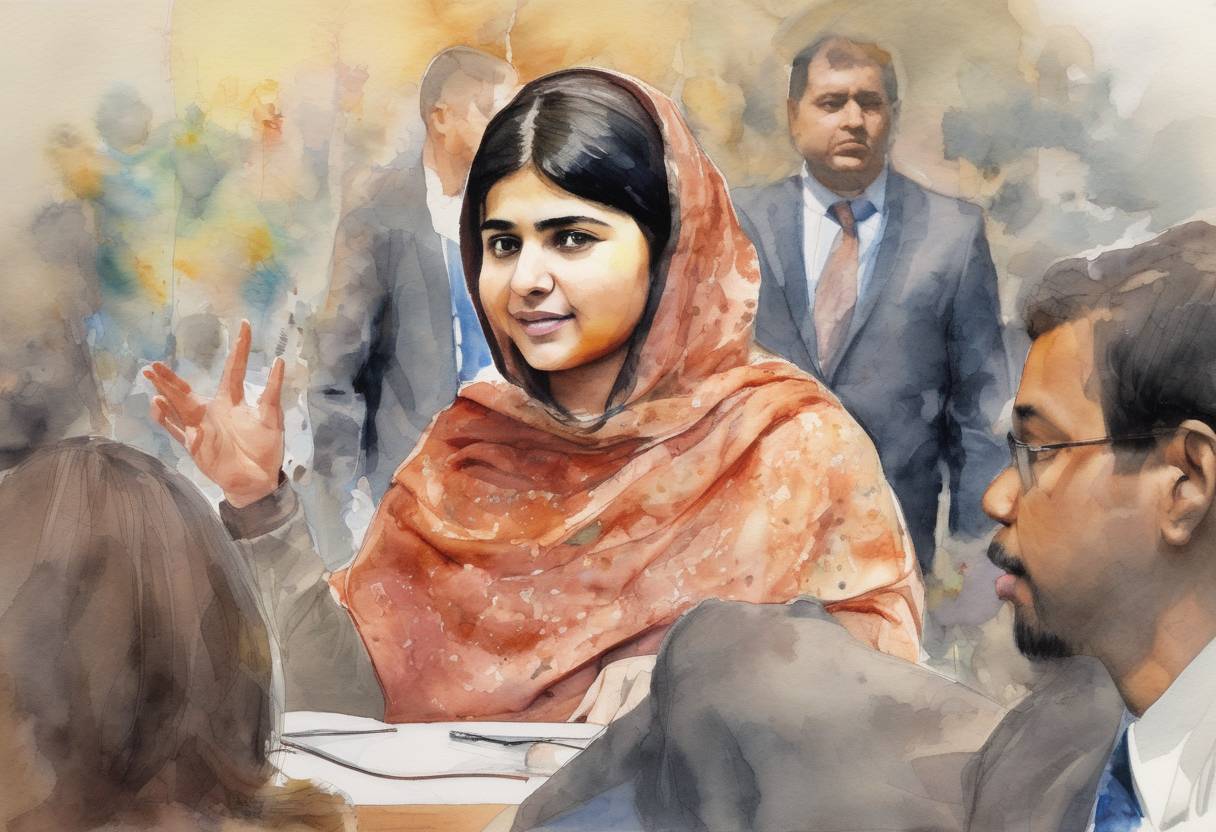
On July 12, 2013, Malala Yousafzai delivered a powerful speech at the United Nations headquarters in New York City, marking her 16th birthday. This day was declared “Malala Day” in honor of her courage and advocacy for education rights. Her speech was a pivotal moment in the global movement for education, emphasizing the importance of education for all children, especially girls.
Malala Yousafzai, a Pakistani activist, became internationally known after surviving an assassination attempt by the Taliban in October 2012. The Taliban targeted her due to her outspoken advocacy for girls’ education in Pakistan’s Swat Valley, where they had banned girls from attending school. Despite the attack, Malala continued to champion education rights, becoming a symbol of resilience and determination.
Advocacy for Education: Malala’s speech at the UN was a call to action for world leaders to ensure free, compulsory education for every child. She emphasized that education is a fundamental right and a powerful tool for social change.
Message of Peace and Non-Violence: Despite the violence she faced, Malala’s message was one of peace and non-violence. She famously stated, “One child, one teacher, one book, and one pen can change the world.”
Global Solidarity: Malala’s address highlighted the importance of global solidarity in the fight for education. She urged governments, communities, and individuals to work together to overcome barriers to education.
Empowerment of Girls: A significant focus of her speech was on the empowerment of girls through education. Malala argued that educating girls is crucial for societal progress and economic development.
Malala’s speech at the UN galvanized international support for education initiatives and inspired millions around the world. Her advocacy contributed to increased awareness and funding for education programs, particularly in regions where access to education is limited.
In recognition of her efforts, Malala Yousafzai was awarded the Nobel Peace Prize in 2014, becoming the youngest-ever laureate. Her ongoing work through the Malala Fund continues to support education projects globally, advocating for policy changes and increased investment in education.
Malala Day serves as a reminder of the ongoing struggle for education rights and the impact that one determined individual can have on the world. Her speech remains a landmark moment in the fight for universal education and gender equality.
Source: en.wikipedia.org