August 11, 1786

Captain Francis Light establishes the British colony of Penang in Malaysia.


Penang, Malaysia | British Empire
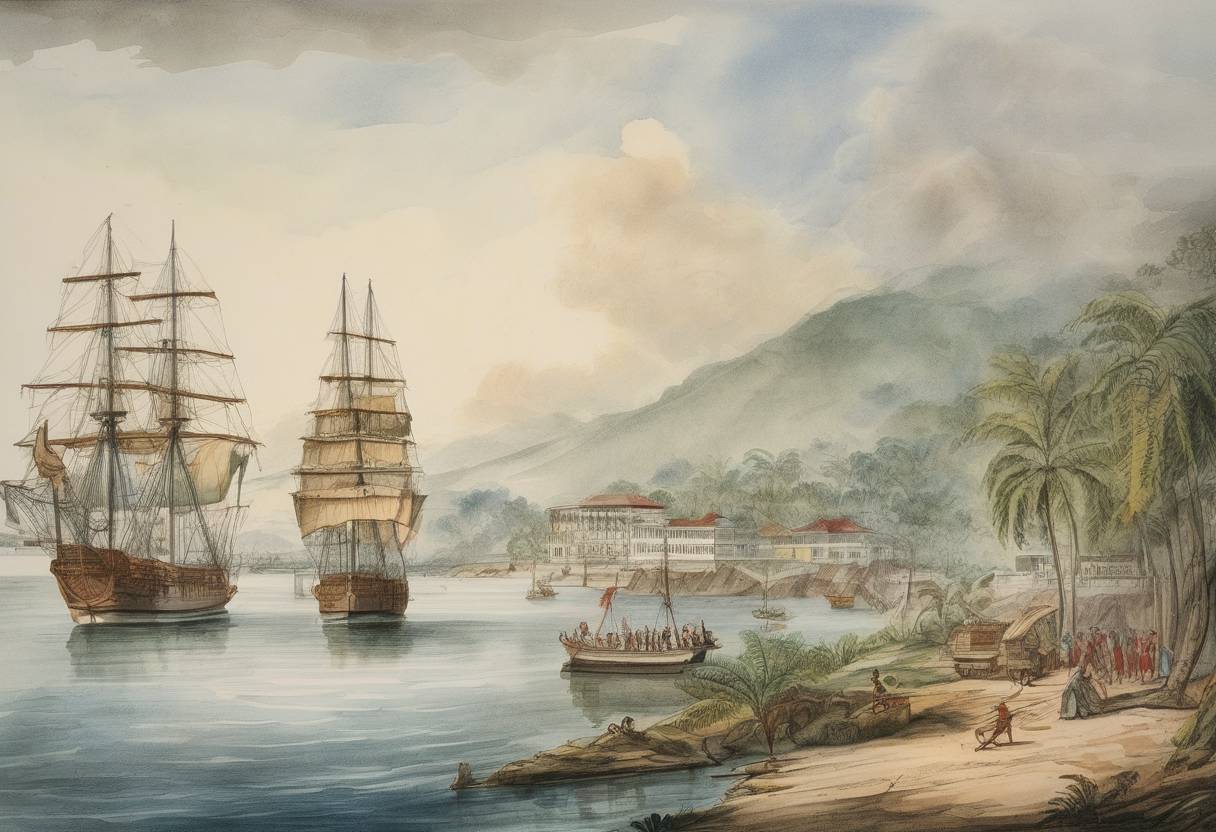
Watercolor painting based depiction of Captain Francis Light establishes the British colony of Penang in Malaysia. (1786)

Establishment of the British Colony of Penang by Captain Francis Light

Background

In the late 18th century, the British East India Company was actively seeking strategic locations to expand its influence and trade networks in Southeast Asia. The region was a hub for spice trade, and control over key ports was crucial for maintaining and expanding British commercial interests.

Key Event: August 11, 1786

On August 11, 1786, Captain Francis Light, an officer of the British East India Company, formally established the British colony of Penang on the island of Penang, off the northwest coast of present-day Malaysia. This event marked the beginning of British colonial presence in the Malay Peninsula.

The Acquisition of Penang

  • Negotiations with the Sultan of Kedah: Captain Light negotiated with Sultan Abdullah Mukarram Shah of Kedah, who controlled Penang. The Sultan was seeking protection against Siamese and Burmese threats and saw an alliance with the British as beneficial.
  • Lease Agreement: Light secured Penang through a lease agreement, promising military protection to the Sultan in exchange for the island. However, the British East India Company did not initially honor the protection clause, leading to tensions.

Establishment of the Settlement

  • Naming and Development: Light named the settlement “Prince of Wales Island” in honor of the heir to the British throne. He began developing the island as a free port to attract traders from across the region.
  • Fort Cornwallis: Light constructed Fort Cornwallis to secure the settlement. It became a central feature of the colony, providing defense and serving as a base for further British expansion.

Significance and Aftermath

  • Strategic Importance: Penang’s location was strategically significant, providing the British with a foothold in Southeast Asia and a base for naval operations and trade.
  • Economic Growth: The establishment of a free port led to rapid economic growth, attracting a diverse population of traders, including Chinese, Indians, and Malays, contributing to Penang’s multicultural society.
  • Colonial Expansion: Penang became part of the Straits Settlements in 1826, alongside Malacca and Singapore, further solidifying British influence in the region.

Broader Historical Impact

The establishment of Penang marked the beginning of British colonial expansion in the Malay Peninsula, which would eventually lead to the formation of British Malaya. This laid the groundwork for the region’s economic development and integration into global trade networks, influencing the cultural and demographic landscape of Malaysia.

Penang’s history as a British colony has left a lasting legacy, evident in its architecture, legal systems, and multicultural society, which continue to shape its identity today.