Australian Federal Election of 2022
2022 · Canberra, Australia
Australia's Labor Party, led by Anthony Albanese, wins the federal election, ending nearly a decade of conservative rule by the Liberal-National Coalition.
June 24, 2013
Kevin Rudd was sworn in as the Australian Prime Minister for the second time after successfully challenging Julia Gillard for the leadership of the Australian Labor Party.
Canberra, Australia | Australian Labor Party
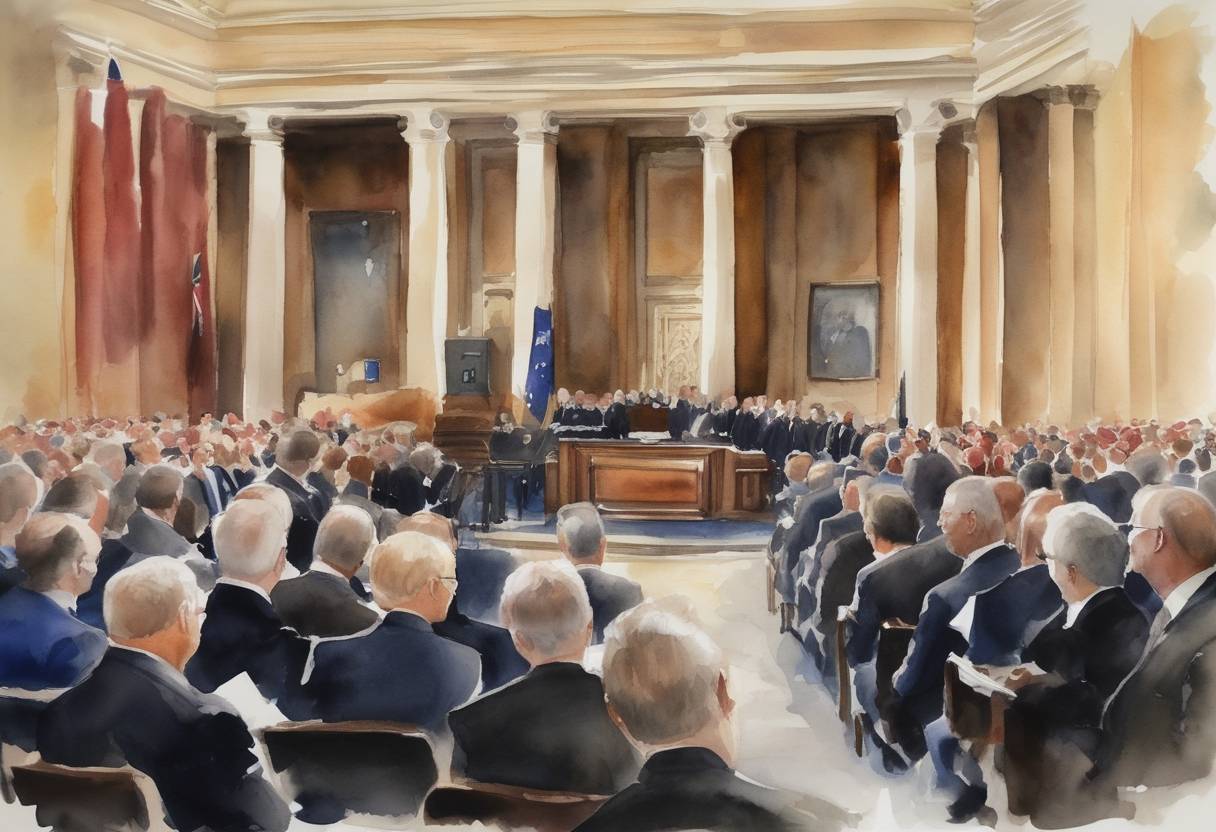
On June 27, 2013, Kevin Rudd was sworn in as the Prime Minister of Australia for the second time. This political development occurred after Rudd successfully challenged then-Prime Minister Julia Gillard for the leadership of the Australian Labor Party.
Kevin Rudd initially served as Prime Minister from December 2007 until June 2010. His first tenure ended when he was ousted in a party leadership vote by Julia Gillard, who became Australia’s first female Prime Minister. The leadership change was a result of internal party dissatisfaction regarding Rudd’s leadership style and policy decisions.
Julia Gillard led the Labor Party through the 2010 federal election, which resulted in a hung parliament. She consequently formed a minority government with the support of independents and the Greens.
As the 2013 federal election approached, the Labor Party faced declining public support and internal disagreements under Gillard’s leadership. On June 26, 2013, amidst growing pressure from within the party, Gillard called a leadership spill. Kevin Rudd won the vote by 57 to 45, reclaiming the leadership of the party and subsequently the prime ministership.
On June 27, 2013, Kevin Rudd was officially sworn in by the Governor-General of Australia, Quentin Bryce. His return to the prime ministership marked a dramatic comeback in Australian politics amid a turbulent period for the Labor Party.
Rudd’s second term as Prime Minister was brief. He led the Labor Party in the federal election held on September 7, 2013, but was defeated by the Liberal-National coalition led by Tony Abbott. Following this loss, Rudd eventually resigned from the Labor leadership and later retired from politics.
Rudd’s return to leadership underscored the volatile nature of Australian politics during that period, highlighting the challenges of party unity and leadership stability. His leadership change was one of several rapid turnovers in prime ministers Australia experienced over the years, reflecting deeper political and ideological shifts within the major parties.
Source: en.wikipedia.org