La Belle Discotheque Bombing
Overview
On the evening of April 5, 1986, a powerful explosion ripped through the La Belle discotheque in West Berlin, Germany. The attack resulted in the deaths of three individuals and left over 200 people injured. The victims included two American servicemen and a Turkish woman. The La Belle discotheque was a popular venue frequented by American military personnel, making it a symbolic target.
Context
During the 1980s, Berlin, divided into East and West, was a focal point of Cold War tensions. The attack on the discotheque was amidst heightened global anti-American sentiment and growing tensions between the United States and Libya. The Libyan leader, Muammar Gaddafi, had been vocal against U.S. policies, leading to strained relations.
The Attack
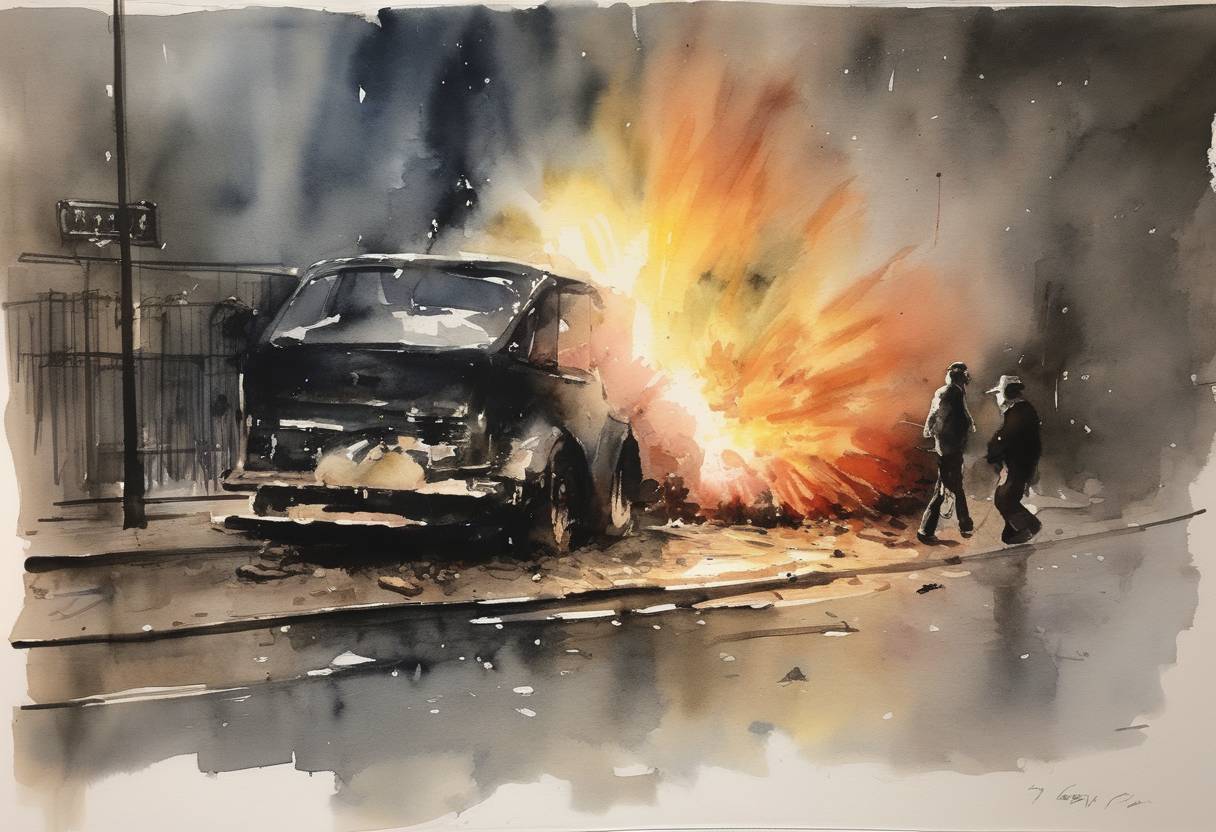
The bomb, reportedly containing approximately 1.5 kilograms of plastic explosives, was hidden in a travel bag and detonated at around 1:45 a.m. The explosion caused a conflagration and widespread debris, leading to considerable chaos and carnage inside the venue. The nature of the attack indicated a high-level coordination often associated with state-sponsored terrorism.
Attribution and Investigation
Subsequent investigations by both German and American intelligence agencies led to the attribution of the attack to Libyan operatives. Intercepted communications between the Libyan People’s Bureau in East Berlin and Tripoli, Libya, reportedly confirmed Libyan involvement. This attribution further escalated tensions between the U.S. and Libya, culminating in retaliatory military strikes against Libyan targets by the United States on April 15, 1986, in what was named Operation El Dorado Canyon.
Aftermath and Significance
The La Belle discotheque bombing is often cited as a historical flashpoint that exacerbated U.S.-Libyan hostilities during the 1980s. It underscored the vulnerabilities of Western targets abroad and the extent of state-sponsored terrorism during this period. The U.S. military response also marked a significant escalation in American foreign policy by demonstrating a willingness to engage militarily in response to terrorist acts.
The attack remains a poignant reminder of the broader geopolitical struggles of the Cold War era and has served as a case study in counterterrorism and international diplomacy efforts.