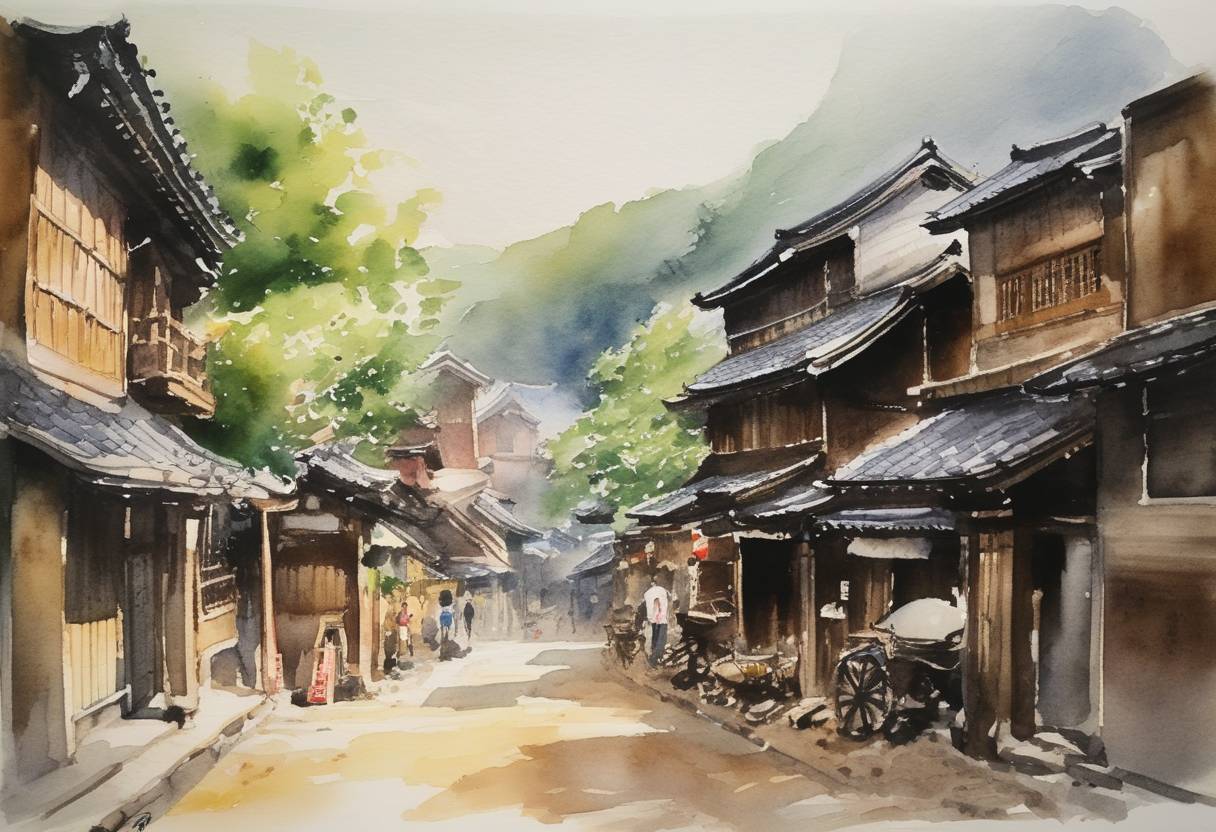
The Kamakura Earthquake of May 20, 1293
On May 20, 1293, a devastating earthquake struck the Kamakura region of Japan, deeply impacting the political and cultural heart of the Kamakura shogunate. The event is estimated to have reached a magnitude of approximately 7.1 on the Richter scale, although records from this period, primarily based on narrative accounts and geological estimates, remain imprecise.
Context: The Kamakura Shogunate
During the time of the earthquake, the Kamakura shogunate had been firmly established as the ruling military government of Japan. Founded in 1192 by Minamoto no Yoritomo, the shogunate marked a shift from the court-led politics of Kyoto to a military-controlled government headquartered in Kamakura. By 1293, the region was a significant political and cultural center.
Destruction: The earthquake inflicted colossal damage on infrastructure in Kamakura, demolishing buildings—even those constructed of sturdy materials for the period. The city’s narrow streets and densely constructed areas exacerbated the damage.
Fires and Consequent Tsunamis: Following the initial tremors, fires broke out across Kamakura, rapidly spreading and causing further destruction. Additionally, the earthquake generated tsunamis that battered coastal sections, adding to the devastation and loss of life.
Loss of Life and Disruption: Historical estimates suggest thousands perished as a direct result of the earthquake, with the fires and tsunamis significantly contributing to the total casualties reported. The exact number remains uncertain due to the lack of comprehensive contemporary records.
Aftermath and Significance
Political Consequences: This natural disaster came amidst a period of increasing tension within the Kamakura shogunate. The loss of infrastructure and the dislocation of power centers facilitated shifts in political alliances and power dynamics within the ruling class.
Reconstruction and Recovery: Following the earthquake, efforts to rebuild Kamakura took considerable time and resources, challenging the shogunate’s financial and administrative capabilities. The slow recovery demonstrated the fragility of urban centers in the face of natural disasters during medieval Japan.
Cultural Reflections: The event is often reflected upon in historical and literary records of the time, helping future generations understand the vulnerability of societies to natural phenomena. It also emphasized the importance of disaster readiness, a theme prevalent throughout Japanese history.
The 1293 Kamakura earthquake remains a significant example of the natural disasters that have shaped Japan’s historical trajectory, influencing both immediate political structures and long-term cultural and societal developments.