Adolf Hitler Marries Eva Braun: April 29, 1945
1945 · Berlin, Germany
Adolf Hitler marries Eva Braun in a bunker in Berlin as World War II nears its end.
April 30, 1945
Adolf Hitler, the leader of Nazi Germany, committed suicide in his underground bunker in Berlin as Soviet forces closed in on the city.
Berlin, Germany | Nazi Germany
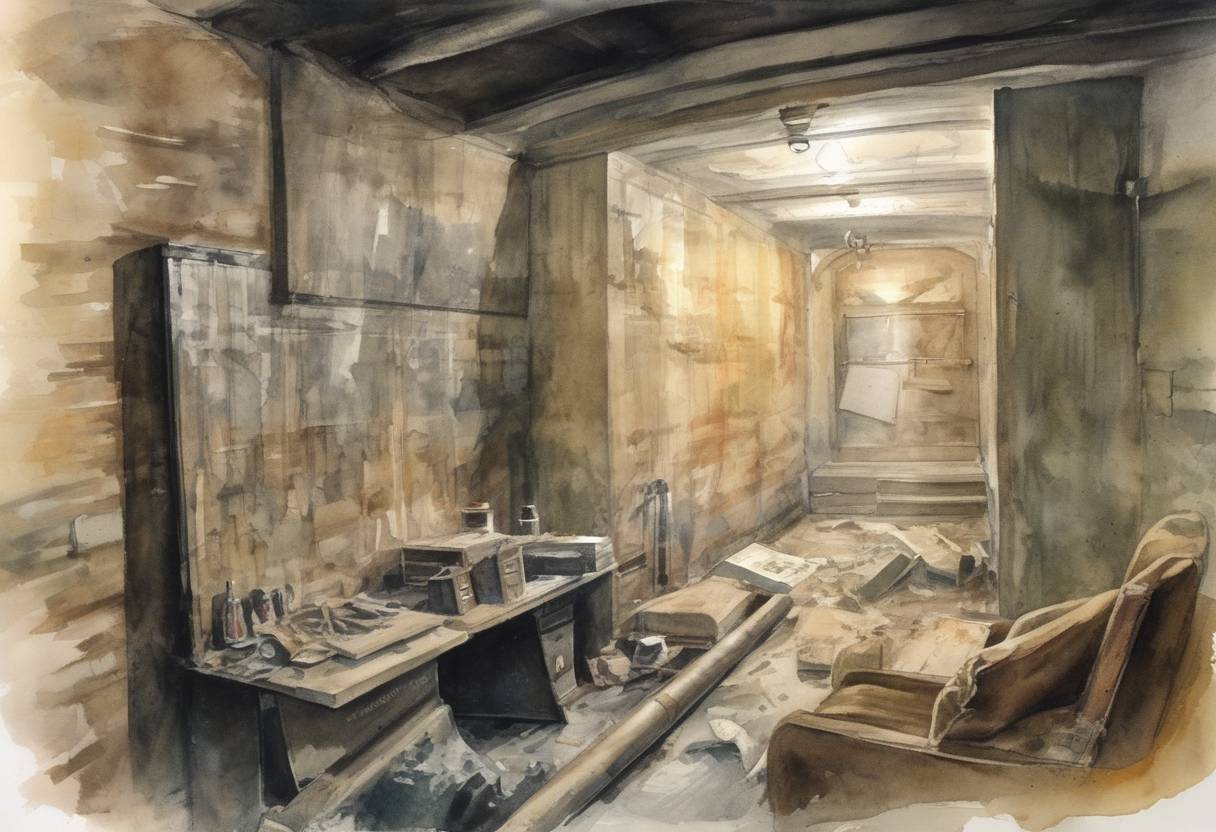
On April 30, 1945, Adolf Hitler, the leader of Nazi Germany, died by suicide in his underground bunker in Berlin. This event marked a pivotal moment in World War II, signaling the imminent collapse of the Third Reich.
World War II Progression: By early 1945, the Allies had made significant advances against Nazi Germany. The Western Allies had crossed the Rhine River and were advancing into Germany from the west, while Soviet forces were closing in from the east.
The Battle of Berlin: The Soviet Red Army launched the Battle of Berlin on April 16, 1945. By the end of April, Soviet troops had encircled the city, and intense fighting was taking place in the streets of Berlin.
Hitler’s Bunker: Adolf Hitler had retreated to the Führerbunker, a fortified underground bunker beneath the Reich Chancellery in Berlin, in January 1945. As the situation deteriorated, he remained there with close associates and staff.
Final Days: In the days leading up to his death, Hitler was informed of the dire military situation. On April 28, he learned of the execution of his ally, Benito Mussolini, by Italian partisans, which further influenced his decision to avoid capture.
Marriage to Eva Braun: On April 29, 1945, Hitler married his long-time companion, Eva Braun, in a small civil ceremony within the bunker.
The Suicide: On April 30, 1945, Adolf Hitler and Eva Braun died by suicide. Hitler reportedly shot himself, while Braun ingested cyanide. Their bodies were subsequently discovered by bunker staff.
Immediate Aftermath: Following Hitler’s death, his body and that of Eva Braun were carried outside the bunker, doused in petrol, and set on fire, as per his instructions, to prevent their capture by Soviet forces.
Surrender of Berlin: The death of Hitler accelerated the surrender of German forces in Berlin. The city officially fell to the Soviets on May 2, 1945.
End of Nazi Germany: Hitler’s suicide marked the effective end of Nazi leadership. On May 7, 1945, Germany unconditionally surrendered to the Allied forces, bringing an end to the war in Europe.
Historical Impact: Hitler’s death and the fall of Berlin were significant in concluding World War II in Europe. It also marked the beginning of the post-war division of Germany and the onset of the Cold War.
The suicide of Adolf Hitler remains a significant historical event, symbolizing the downfall of one of history’s most infamous regimes and the end of a devastating global conflict.
Source: en.wikipedia.org