Spanish Socialist Workers' Party Wins the General Election - October 28, 1982
1982 · Madrid, Spain
Spanish Socialist Workers' Party wins the general election, leading to the first socialist government in Spain since the Spanish Civil War.
February 23, 1981
An attempted coup d'état takes place in Spain when Lieutenant Colonel Antonio Tejero storms the Congress of Deputies, holding lawmakers hostage for 18 hours.
Madrid, Spain | Spanish Civil Guard
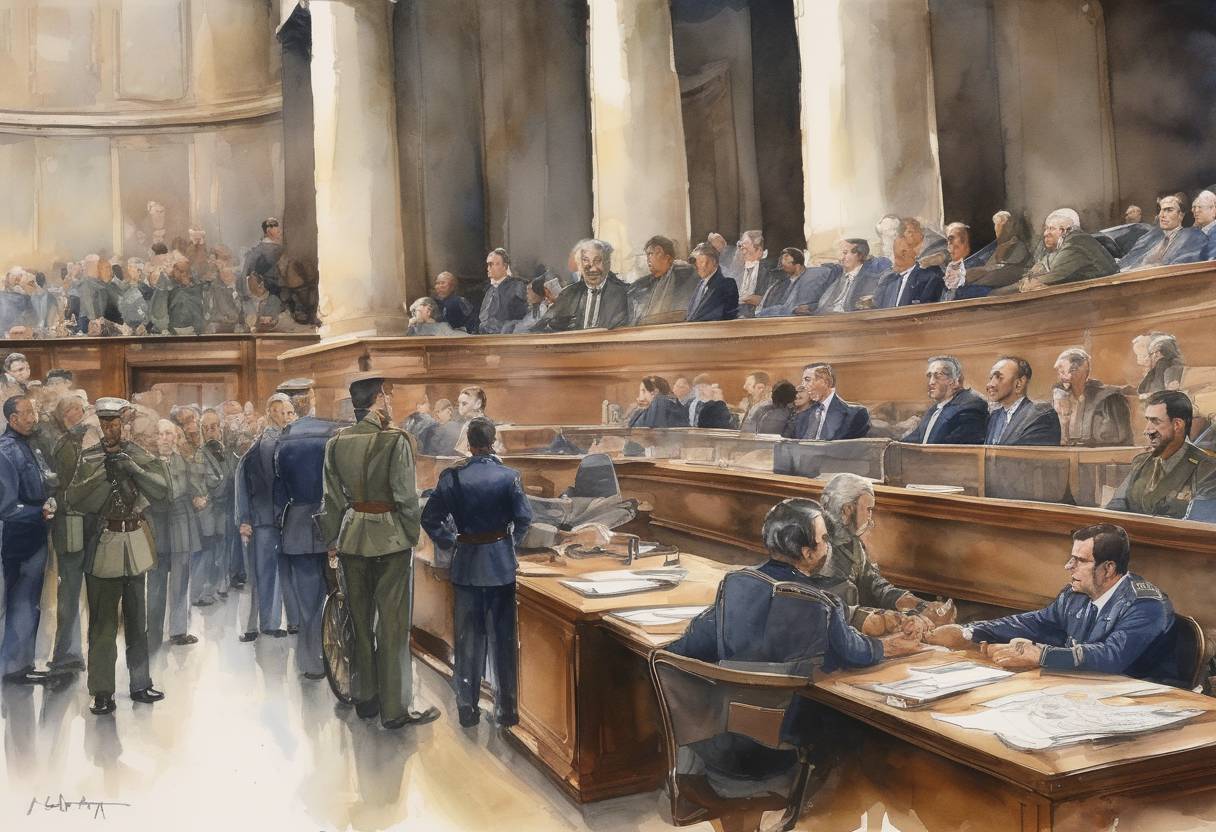
On February 23, 1981, Spain experienced a dramatic and pivotal moment in its modern history when an attempted coup d’état, known as “23-F,” unfolded. This event was orchestrated by Lieutenant Colonel Antonio Tejero, who stormed the Congress of Deputies in Madrid, holding lawmakers hostage for 18 hours.
The attempted coup occurred during a period of political transition in Spain. Following the death of dictator Francisco Franco in 1975, Spain was navigating its path towards democracy. The country had adopted a new constitution in 1978, establishing a parliamentary monarchy. However, the transition was fraught with challenges, including economic difficulties, regional tensions, and political instability.
The Storming of the Congress: On the afternoon of February 23, 1981, as the Spanish parliament was in session to vote on the investiture of Leopoldo Calvo-Sotelo as Prime Minister, Lieutenant Colonel Antonio Tejero, along with 200 armed Civil Guards, stormed the Congress of Deputies. Tejero interrupted the session, firing shots into the air and taking the lawmakers hostage.
The Hostage Situation: The coup plotters held the deputies hostage for 18 tense hours. The situation was broadcast live on television, with images of Tejero brandishing a gun becoming iconic. The coup aimed to overthrow the democratic government and restore an authoritarian regime.
King Juan Carlos I’s Intervention: A crucial turning point came when King Juan Carlos I addressed the nation on television. Dressed in his military uniform, the King condemned the coup and reaffirmed his support for the democratic government. His decisive intervention was instrumental in rallying support against the coup plotters and maintaining the constitutional order.
Failure of the Coup: The coup ultimately failed due to a lack of widespread military support and the King’s firm stance. By the morning of February 24, the hostages were released, and the coup plotters were arrested.
Impact on Spanish Democracy: The failed coup had significant implications for Spain’s democratic transition. It reinforced the commitment to democracy among the Spanish populace and political leaders. The event also strengthened the role of King Juan Carlos I as a symbol of national unity and a defender of democracy.
Legal Proceedings: Antonio Tejero and other key conspirators were tried and convicted for their roles in the coup attempt. Tejero was sentenced to 30 years in prison, although he was released on parole in 1996 after serving 15 years.
The events of February 23, 1981, underscored the fragility of Spain’s nascent democracy but also highlighted the resilience of its democratic institutions. The coup attempt served as a catalyst for political reforms and greater stability in the years that followed, solidifying Spain’s commitment to democratic governance. The incident remains a significant chapter in Spain’s history, symbolizing the triumph of democracy over authoritarianism.
Source: en.wikipedia.org