The Longest Match in Professional Tennis History
2010 · London, United Kingdom
The longest match in professional tennis history began at Wimbledon, between John Isner and Nicolas Mahut, lasting 11 hours and 5 minutes over three days.
February 2, 2004
Swiss tennis player Roger Federer became the world No. 1 ranked player for the first time in his career, a position he would hold for a record 237 consecutive weeks.
Rotterdam, Netherlands | Association of Tennis Professionals
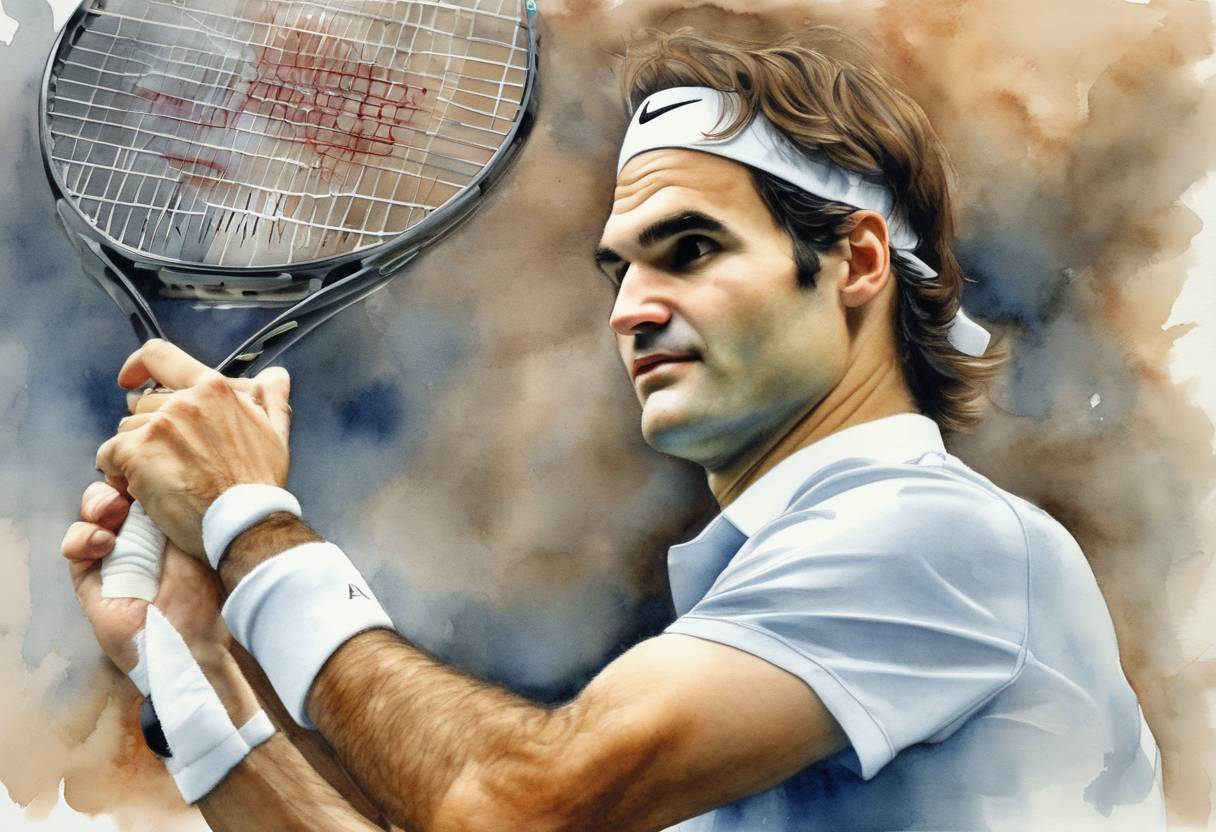
On February 2, 2004, Swiss tennis player Roger Federer ascended to the No. 1 position in the ATP world rankings for the first time in his career. This marked the beginning of an extraordinary period of dominance in men’s tennis, as Federer held the top spot for a record-breaking 237 consecutive weeks, a feat unmatched in the history of the sport.
Early Career: Roger Federer turned professional in 1998 and quickly established himself as a promising talent. By the early 2000s, he was already making waves on the ATP tour with his versatile playing style, characterized by a powerful serve, graceful footwork, and a one-handed backhand.
Breakthrough Year: Federer’s breakthrough came in 2003 when he won his first Grand Slam title at Wimbledon, defeating Mark Philippoussis in the final. This victory was a significant milestone, propelling him into the upper echelons of the sport.
2004 Australian Open: Federer’s rise to the No. 1 ranking was cemented by his victory at the 2004 Australian Open. He defeated Marat Safin in the final, showcasing his dominance on the court and solidifying his status as a top contender in men’s tennis.
World No. 1 Ranking: On February 2, 2004, Federer officially became the world No. 1 ranked player. This achievement was a testament to his consistent performance and success on the ATP tour.
Record-Breaking Streak: Federer’s reign at the top lasted until August 17, 2008, spanning 237 consecutive weeks. This record remains one of the most remarkable achievements in tennis history, highlighting his sustained excellence and resilience.
Impact on Tennis: Federer’s dominance during this period helped elevate the popularity of tennis globally. His rivalry with other top players, such as Rafael Nadal and Novak Djokovic, contributed to a golden era in men’s tennis.
Legacy: Federer’s style of play, sportsmanship, and numerous records have left an indelible mark on the sport. He is widely regarded as one of the greatest tennis players of all time, inspiring a new generation of athletes.
Continued Success: Beyond this initial period, Federer continued to achieve success, winning numerous Grand Slam titles and maintaining a presence at the top of the sport well into his late 30s.
Roger Federer’s ascent to the world No. 1 ranking on February 2, 2004, was not just a personal milestone but a pivotal moment in the history of tennis, setting the stage for an era defined by his extraordinary talent and enduring legacy.
Source: www.atptour.com