Indonesian General Election - April 17, 2019
2019 · Jakarta, Indonesia
The Indonesian general election took place, marking the largest single-day election in the world with over 190 million eligible voters.
October 20, 2014
Joko Widodo was inaugurated as the President of Indonesia, becoming the first Indonesian president not to come from the country's political elite or military background.
Jakarta, Indonesia | Government of Indonesia
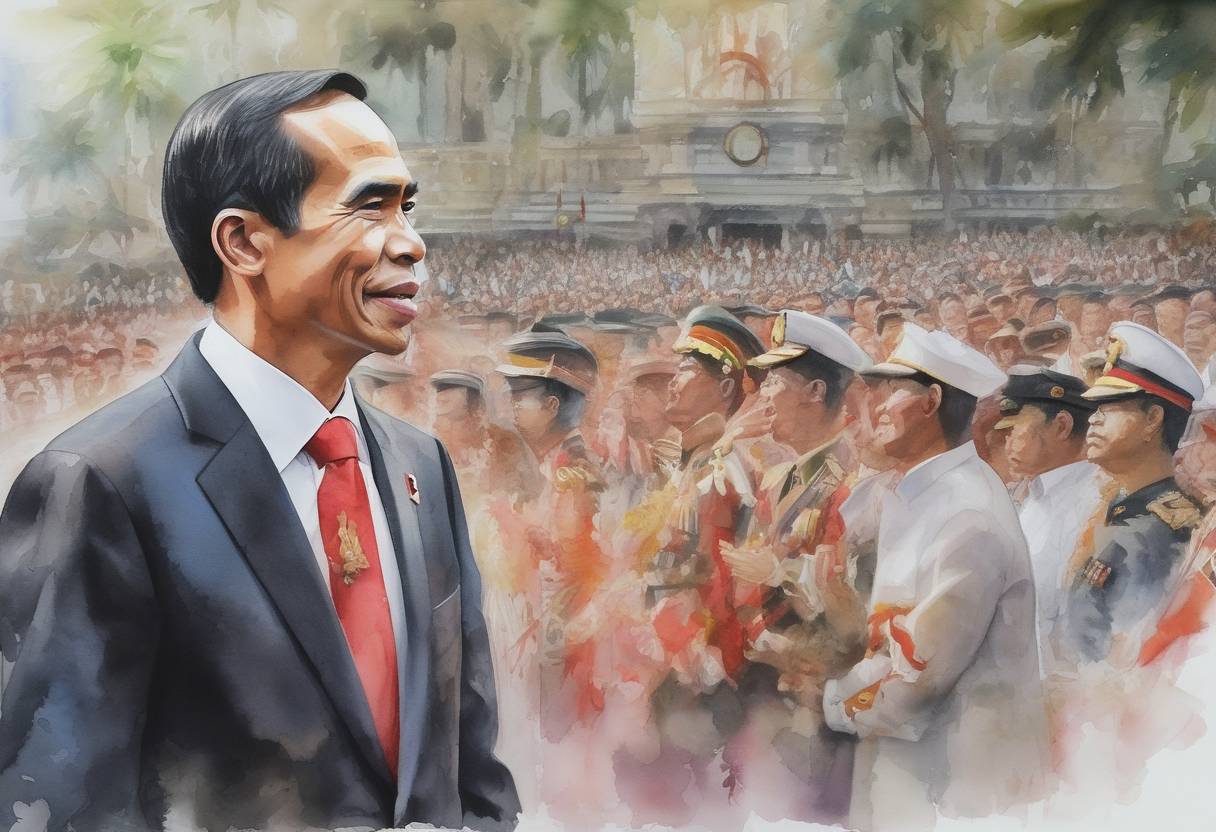
On October 20, 2014, Joko Widodo, commonly known as Jokowi, was inaugurated as the seventh President of Indonesia. His rise to the presidency marked a significant shift in Indonesian politics, as he became the first president not to emerge from the country’s traditional political elite or military background.
Before entering national politics, Jokowi was known for his work as a businessman and later as a politician. He initially gained prominence as the Mayor of Surakarta (Solo) from 2005 to 2012, where he was praised for his hands-on approach and successful urban development projects. His popularity soared when he served as the Governor of Jakarta from 2012 to 2014, where he implemented policies to improve public transportation and reduce flooding.
Jokowi ran for president as a candidate from the Indonesian Democratic Party of Struggle (PDI-P), with Jusuf Kalla as his running mate. The 2014 presidential election was a closely contested race against Prabowo Subianto, a former general and a figure from the military establishment. Jokowi’s campaign focused on themes of reform, transparency, and improving the welfare of ordinary Indonesians, resonating with a large segment of the population.
The inauguration ceremony took place in the People’s Consultative Assembly in Jakarta. It was attended by various dignitaries, including heads of state and government officials from neighboring countries. Jokowi’s inauguration was celebrated by many Indonesians who saw his presidency as a new chapter for the nation, emphasizing democratic values and a break from the past military-dominated leadership.
Jokowi’s presidency was significant for several reasons:
Democratic Progress: His election was seen as a testament to Indonesia’s maturing democracy, where a candidate from outside the traditional power structures could rise to the highest office.
Focus on Infrastructure and Economy: Jokowi prioritized infrastructure development and economic reforms, aiming to boost Indonesia’s growth and improve living standards.
Grassroots Connection: Known for his humble beginnings and approachable demeanor, Jokowi maintained a strong connection with the grassroots, which was reflected in his policy priorities.
Jokowi’s presidency has been marked by efforts to tackle corruption, improve infrastructure, and enhance Indonesia’s global standing. His leadership style and policies have continued to shape Indonesia’s political landscape, influencing subsequent elections and governance.
In summary, Joko Widodo’s inauguration as President of Indonesia on October 20, 2014, was a landmark event that underscored the country’s democratic evolution and set the stage for significant policy shifts aimed at national development and reform.
Source: www.theguardian.com