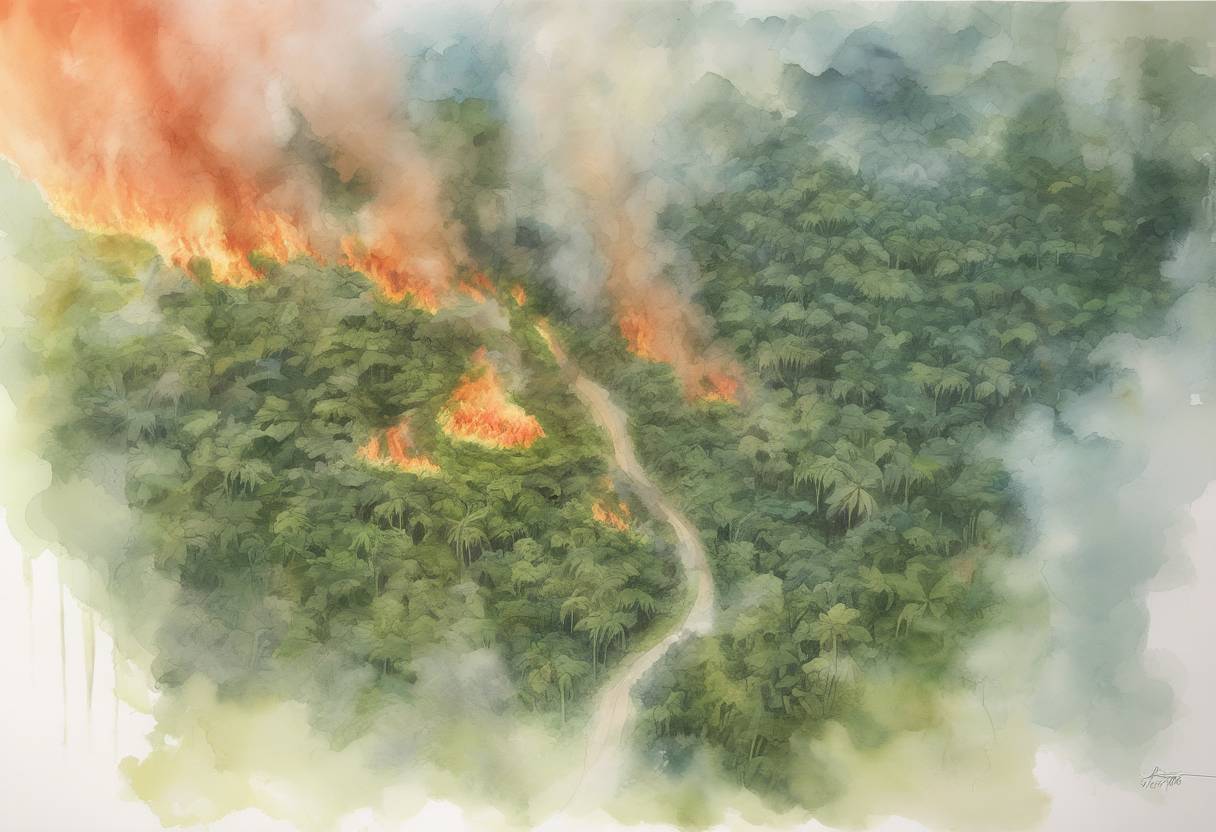
The Amazon Rainforest Fires: A Global Concern on August 27, 2019
On August 27, 2019, the Amazon rainforest fires captured global attention as satellite images revealed a dramatic increase in the number of fires compared to previous years. This surge in fires raised alarms worldwide, prompting international calls for action to protect this vital ecosystem.
Context and Background
The Amazon rainforest, often referred to as the “lungs of the Earth,” plays a crucial role in regulating the planet’s climate by absorbing vast amounts of carbon dioxide. It is home to an unparalleled diversity of flora and fauna and is vital for the indigenous communities who inhabit the region. However, the rainforest has faced increasing threats from deforestation, largely driven by agricultural expansion, logging, and mining activities.
Key Events Leading Up to August 27, 2019
Deforestation Trends: In the months leading up to August 2019, deforestation rates in the Amazon had been rising. The Brazilian National Institute for Space Research (INPE) reported a significant increase in deforestation alerts, which often precede fires as land is cleared for agriculture.
Policy Changes: The administration of Brazilian President Jair Bolsonaro, who took office in January 2019, faced criticism for policies perceived to favor economic development over environmental protection. Critics argued that these policies emboldened illegal logging and land-clearing activities.
Satellite Data: By August 2019, satellite data from INPE indicated that the number of fires in the Amazon had increased by approximately 80% compared to the same period in 2018. This data was corroborated by other international monitoring agencies.
Global Reaction
International Outcry: The images of the fires and the smoke plumes visible from space sparked a global outcry. Environmental organizations, celebrities, and political leaders worldwide called for urgent action to address the crisis.
Diplomatic Tensions: The fires led to diplomatic tensions, particularly between Brazil and European countries. French President Emmanuel Macron described the fires as an “international crisis” and called for them to be discussed at the G7 summit. In response, Bolsonaro accused Macron of having a “colonialist mentality.”
Financial Aid and Support: Several countries and organizations offered financial aid and support to help combat the fires and protect the rainforest. The G7 countries pledged $20 million in emergency aid, although this offer was met with mixed reactions from the Brazilian government.
Aftermath and Consequences
Policy Reassessment: The international pressure led to some reassessment of policies within Brazil. The Brazilian government deployed military forces to help control the fires and announced temporary bans on setting fires to clear land.
Increased Awareness: The 2019 Amazon fires heightened global awareness of the importance of the rainforest and the threats it faces. It also underscored the need for sustainable development practices and stronger environmental protections.
Ongoing Challenges: Despite the immediate response, the underlying issues of deforestation and environmental degradation in the Amazon remain ongoing challenges. The events of 2019 highlighted the complex interplay between economic development, environmental conservation, and indigenous rights.
In summary, the Amazon rainforest fires of August 27, 2019, served as a stark reminder of the delicate balance between human activity and environmental sustainability. The global response underscored the importance of international cooperation in addressing environmental crises that transcend national borders.