The Liberation of Raqqa: A Turning Point in the Fight Against ISIS
On October 20, 2017, the United Nations announced that the Islamic State (ISIS) had been driven out of Raqqa, Syria. This marked a significant defeat for the militant group, which had declared Raqqa its de facto capital in 2014. The liberation of Raqqa was a pivotal moment in the international campaign against ISIS and had profound implications for the region and the global fight against terrorism.
Context and Background
- Rise of ISIS: ISIS emerged as a formidable force in the chaos of the Syrian Civil War and the instability in Iraq. By 2014, the group had seized large swathes of territory in both countries, declaring a caliphate with Raqqa as its capital.
- Raqqa Under ISIS: Under ISIS control, Raqqa became a hub for the group’s operations, governance, and propaganda. The city was subjected to brutal rule, with strict enforcement of Sharia law and widespread human rights abuses.
The Battle for Raqqa
- Syrian Democratic Forces (SDF): The offensive to retake Raqqa was primarily led by the Syrian Democratic Forces, a coalition of Kurdish and Arab militias, with significant support from the United States and its allies.
- Operation Wrath of Euphrates: Launched in November 2016, this operation aimed to encircle and capture Raqqa. The campaign involved intense urban warfare, airstrikes, and ground assaults.
- Challenges: The battle was complicated by the presence of civilians, the use of human shields by ISIS, and the extensive use of improvised explosive devices (IEDs) by the militants.
The Liberation
- Final Assault: By June 2017, the SDF had breached the city, and after months of fierce fighting, they declared victory on October 17, 2017. The UN’s announcement on October 20 confirmed the complete expulsion of ISIS from Raqqa.
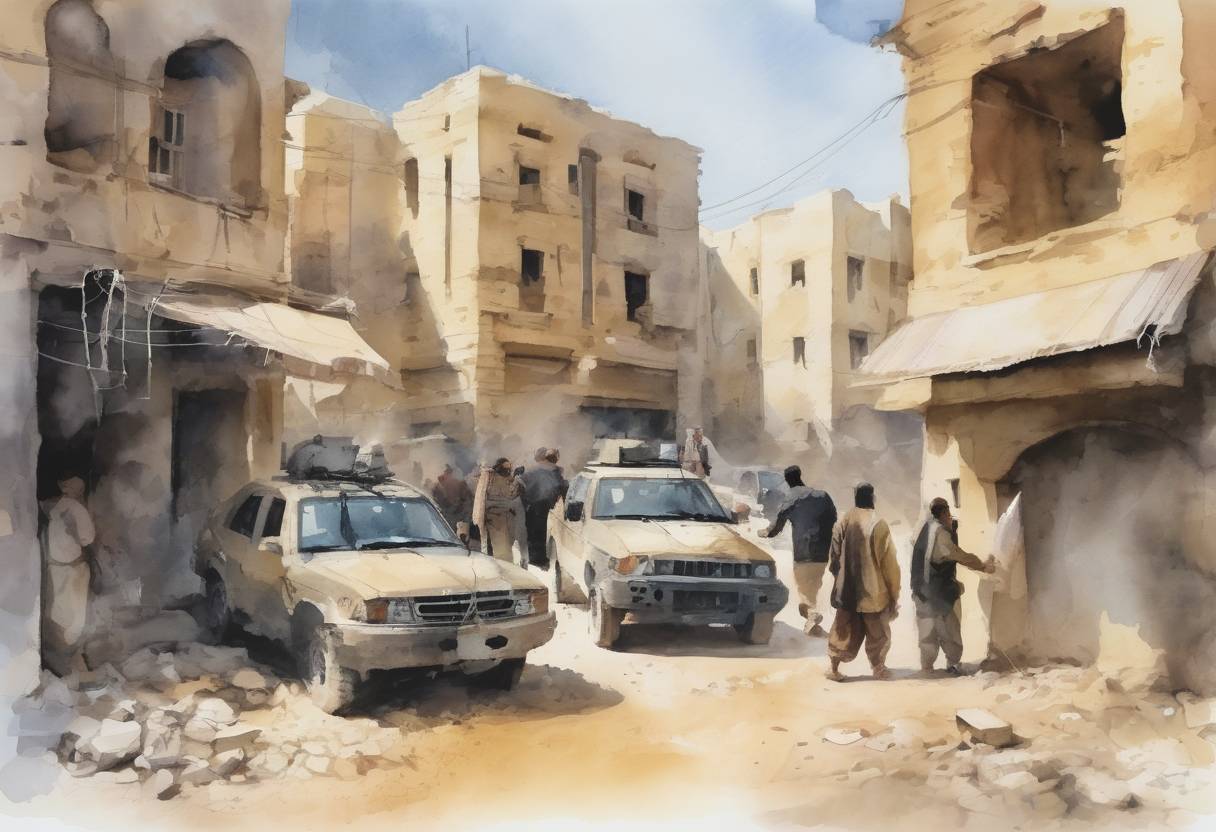
- Humanitarian Impact: The battle left much of Raqqa in ruins, with significant civilian casualties and displacement. Humanitarian organizations faced challenges in providing aid and rebuilding the city.
Aftermath and Significance
- Strategic Defeat for ISIS: The loss of Raqqa dealt a severe blow to ISIS’s territorial claims and its image as a caliphate. It marked a turning point in the broader campaign to dismantle the group’s control in the region.
- Continued Threat: Despite the loss of Raqqa, ISIS remained a threat, transitioning to insurgency tactics and continuing to inspire attacks globally.
- Reconstruction and Stability: The focus shifted to rebuilding Raqqa and ensuring stability in the region. Efforts were made to restore governance, infrastructure, and services, although challenges persisted due to ongoing conflict and political complexities in Syria.
The liberation of Raqqa was a crucial milestone in the fight against ISIS, symbolizing the resilience and determination of local and international forces to combat extremism and restore peace to war-torn regions.