International Whaling Commission's Decision to End Commercial Whaling
1982 · Brighton, United Kingdom
International Whaling Commission decides to end commercial whaling by 1985-86.
December 3, 1984
The Bhopal disaster occurred when a gas leak at a pesticide plant in India exposed over 500,000 people to toxic chemicals.
Bhopal, India | Union Carbide India Limited
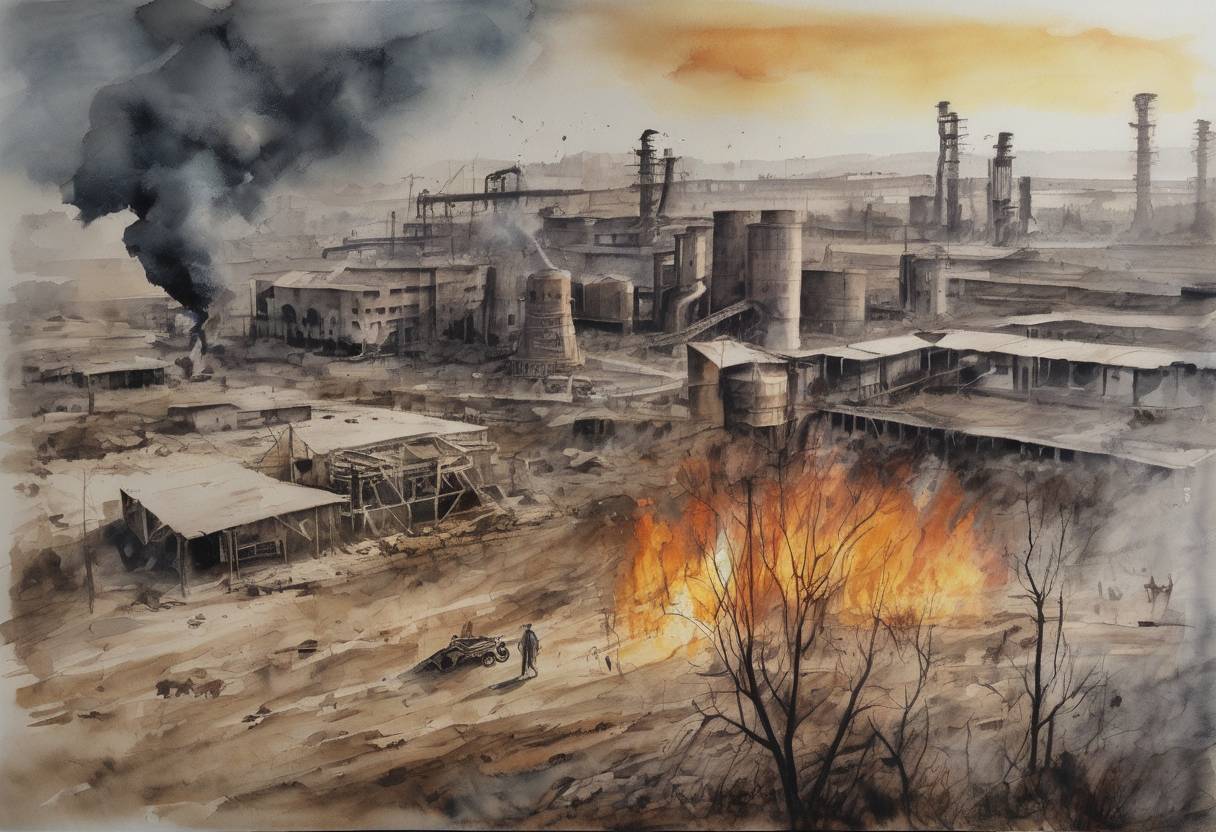
The Bhopal disaster, one of the world’s worst industrial catastrophes, occurred on the night of December 2-3, 1984, in Bhopal, the capital city of the Indian state of Madhya Pradesh. This tragic event unfolded at the Union Carbide India Limited (UCIL) pesticide plant, a subsidiary of the American company Union Carbide Corporation (UCC).
The UCIL plant in Bhopal was established in 1969 to produce pesticides, primarily Sevin (carbaryl), using methyl isocyanate (MIC) as an intermediate. MIC is a highly toxic and volatile chemical, and its storage and handling require stringent safety measures. However, several factors contributed to the disaster, including inadequate maintenance, poor safety protocols, and cost-cutting measures that compromised the plant’s safety systems.
On the night of December 2, 1984, water inadvertently entered a storage tank containing approximately 42 tons of MIC. This triggered a runaway chemical reaction that increased the temperature and pressure inside the tank. Around midnight, the tank’s safety valve burst, releasing a dense cloud of toxic gas into the atmosphere.
The gas, primarily composed of MIC, spread over the densely populated areas surrounding the plant. The residents, mostly unaware of the plant’s operations and the potential hazards, were caught off guard as the toxic cloud enveloped their homes.
The Bhopal disaster highlighted the potential dangers of industrialization, especially in developing countries where regulatory frameworks may be less stringent. It underscored the need for multinational corporations to adhere to the highest safety standards, regardless of where they operate. The tragedy also served as a catalyst for international discussions on industrial safety and environmental protection.
The Bhopal disaster remains a poignant reminder of the human and environmental costs of industrial negligence and the importance of prioritizing safety and accountability in industrial operations.
Source: en.wikipedia.org