Mass Protests in Belarus Following the 2020 Presidential Election
2020 · Minsk, Belarus
Mass protests erupted in Belarus following the presidential election, which was widely regarded as rigged in favor of incumbent Alexander Lukashenko.
August 16, 2020
Belarus saw massive protests against President Alexander Lukashenko following a disputed presidential election. Tens of thousands of people gathered in Minsk demanding his resignation.
Minsk, Belarus | Belarusian government
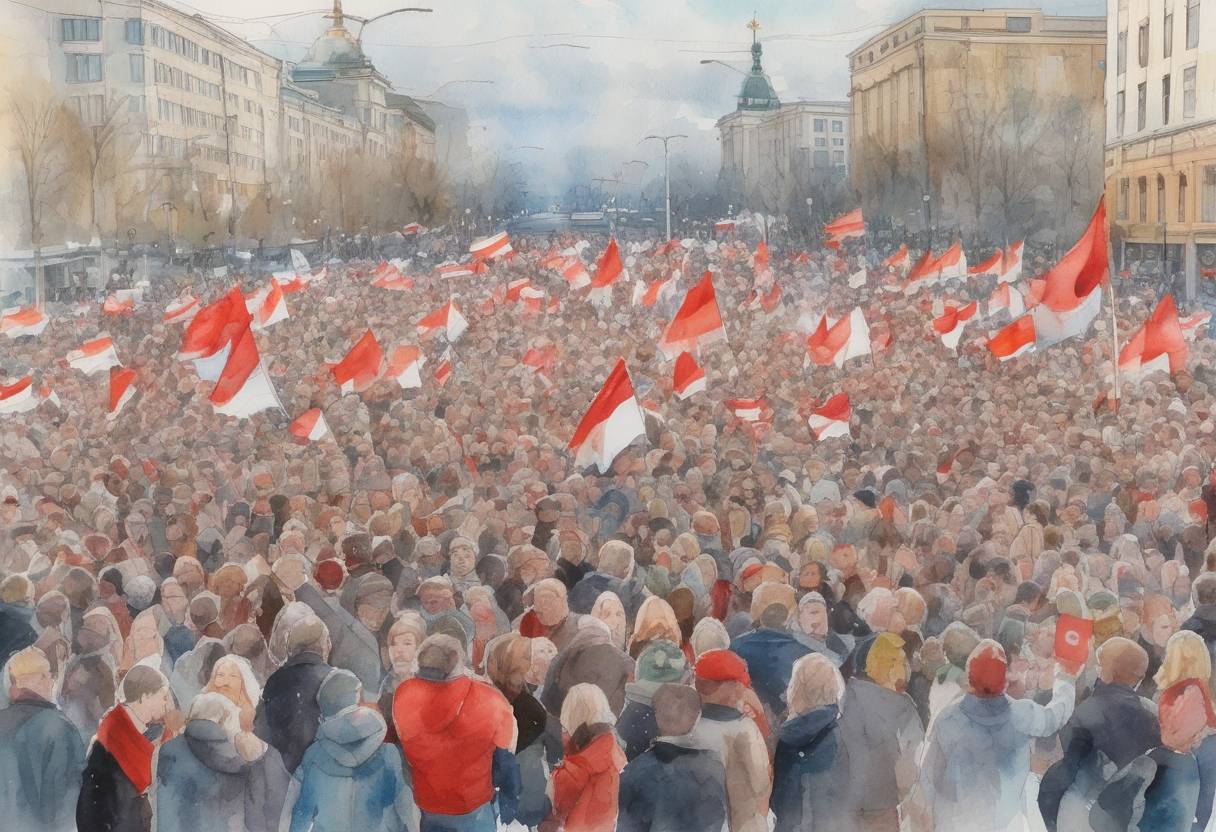
On August 16, 2020, Belarus witnessed one of the largest protests in its history as tens of thousands of people gathered in the capital city of Minsk. The demonstrations were a response to the disputed presidential election held on August 9, 2020, which saw President Alexander Lukashenko claim victory amidst widespread allegations of electoral fraud.
Alexander Lukashenko: Often referred to as “Europe’s last dictator,” Lukashenko had been in power since 1994. His tenure was marked by authoritarian rule, with limited political freedoms and a tight grip on the media.
2020 Presidential Election: The election was marred by accusations of vote-rigging and suppression of opposition candidates. The main opposition candidate, Sviatlana Tsikhanouskaya, emerged as a significant challenger despite facing numerous obstacles, including the arrest of her husband, a prominent opposition figure.
Election Results: Official results claimed Lukashenko won with approximately 80% of the vote, a figure widely disputed by both domestic and international observers.
Initial Protests: Following the announcement of the results, protests erupted across Belarus. The government’s response was swift and brutal, with reports of police violence, mass arrests, and internet blackouts.
Scale and Significance: The protest on August 16 was unprecedented in scale, with estimates suggesting that over 100,000 people participated. Demonstrators gathered in Independence Square, demanding Lukashenko’s resignation and a fair election.
Symbolism: Protesters carried the red and white flag, a symbol of the opposition, and chanted slogans calling for freedom and democracy.
Continued Protests: The August 16 protest was part of a broader movement that continued for several months, with weekly demonstrations and strikes across the country.
International Reaction: The European Union and other Western nations condemned the election process and the subsequent crackdown on protesters. Sanctions were imposed on Belarusian officials deemed responsible for the violence and electoral fraud.
Opposition Movement: Sviatlana Tsikhanouskaya fled to Lithuania for safety but continued to rally international support for the Belarusian opposition.
The protests in Belarus in 2020 highlighted the growing discontent with authoritarian regimes and the power of grassroots movements in challenging entrenched political structures. They also underscored the role of international solidarity and the challenges faced by opposition movements in repressive environments. The events in Belarus continue to influence discussions on democracy and human rights in Eastern Europe and beyond.
Source: www.bbc.com