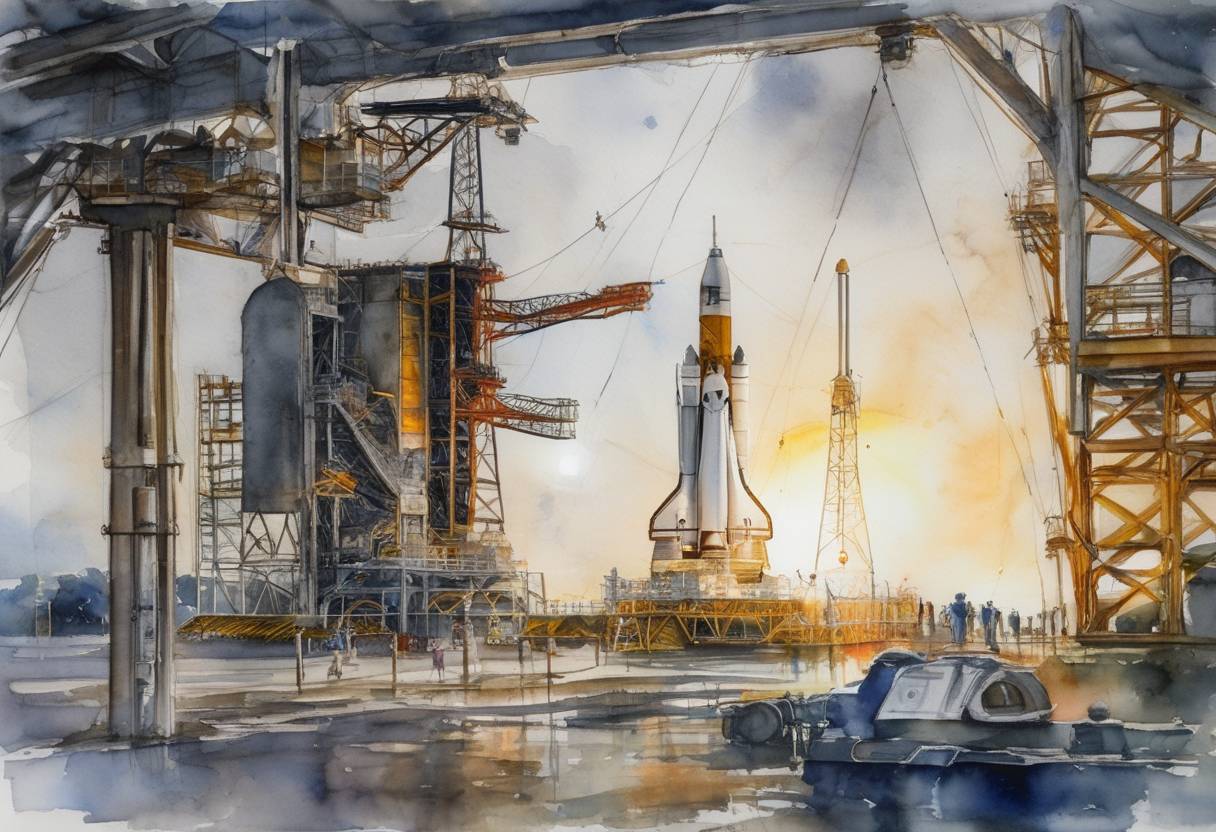
NASA’s Artemis I Mission Postponement
The Artemis I mission, a pivotal component of NASA’s ambitious Artemis program designed to return humans to the Moon, faced a significant setback on September 4, 2022. The launch of the Space Launch System (SLS) rocket and the Orion spacecraft was postponed due to a combination of technological and weather-related issues. This delay marked a critical moment, highlighting the challenges inherent in advancing human space exploration.
Technological Challenges
On the scheduled launch date, NASA engineers encountered fuel leak issues. Specifically, a hydrogen leak was detected during the fueling process, which posed safety concerns that necessitated halting the countdown. The hydrogen leak was a critical factor, as hydrogen is highly flammable, and any discrepancies need thorough investigation and remediation.
Additionally, other technical challenges surrounding the engine bleed system were identified. The engine bleed, a system designed to thermally condition the engines prior to launch, displayed inconsistencies that required immediate attention to ensure mission success and safety.
Weather Concerns
In tandem with the technological issues, weather conditions posed an additional threat. The weather forecast indicated a high probability of adverse conditions that were not conducive to a safe launch. As with any space mission, adherence to precise weather criteria is essential to minimize risks and maximize the chances of a successful launch.
Broader Significance
The postponement underscored the complexity of the Artemis program, highlighting both the technological and environmental obstacles that accompany modern space exploration. Despite the delay, the Artemis I mission is a crucial test flight intended to demonstrate the performance and capabilities of the SLS and Orion systems before future manned missions to the lunar surface.
The Artemis program itself is emblematic of renewed international interest in lunar exploration, aiming not only at establishing a sustainable human presence on the Moon by the end of the decade but also at paving the way for future missions to Mars. While the postponement was a setback, it represents an essential step in ensuring the utmost safety and reliability of the technologies involved in returning humans to the lunar frontier.