Disbandment of the American Continental Army
1783 · Princeton, United States
The American Continental Army is disbanded after the Treaty of Paris ends the American Revolutionary War.
December 7, 1776
Gilbert du Motier, Marquis de Lafayette, secures a commission as a major-general in the Continental Army during the American Revolutionary War.
Baltimore, United States | Continental Congress
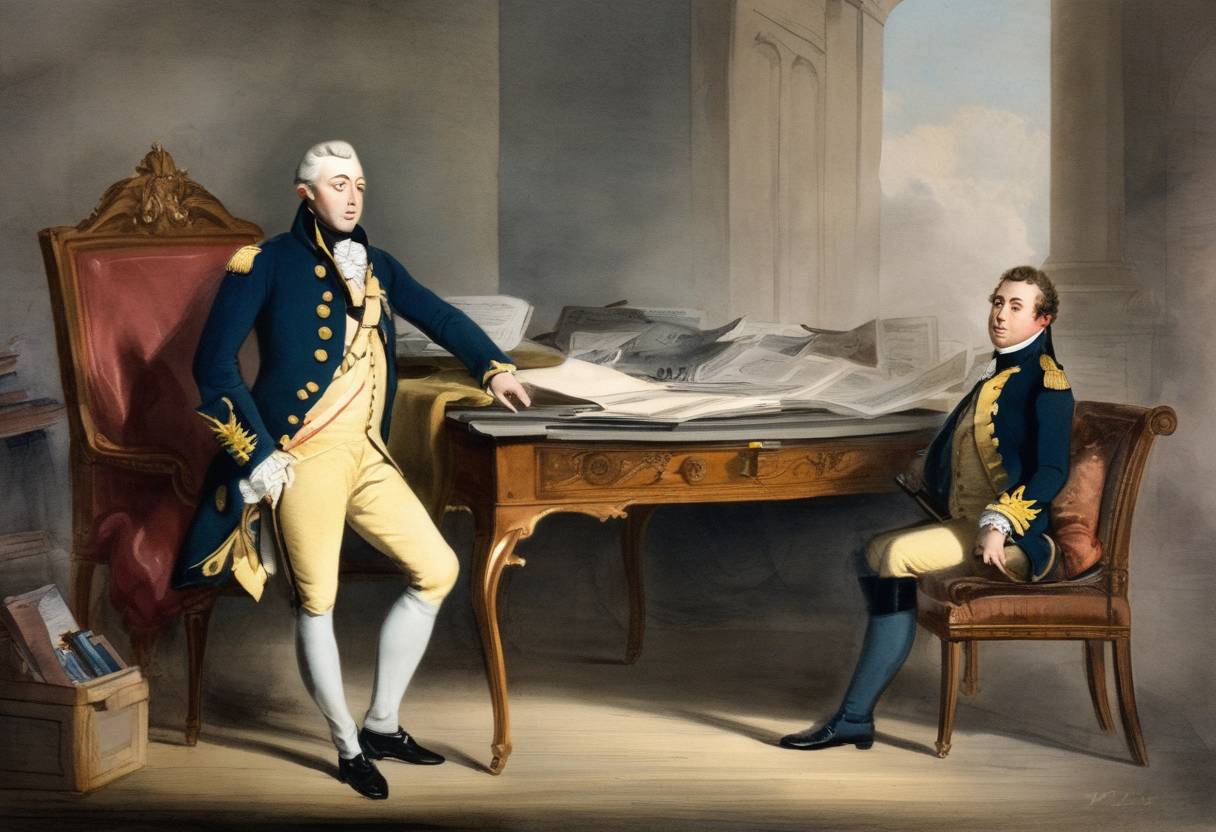
On July 31, 1777, Gilbert du Motier, Marquis de Lafayette, was formally commissioned as a major-general in the Continental Army during the American Revolutionary War. Although not July 12, 1776, this date marks a pivotal moment in Lafayette’s involvement with the American fight for independence.
Lafayette, born into a prominent French aristocratic family, was inspired by the ideals of liberty and was eager to support the American colonies in their resistance against British rule. His interest in the American cause grew after reading the Declaration of Independence and meeting American emissaries in France. Despite initial resistance from King Louis XVI and his court, Lafayette secured passage to America using his resources, arriving in South Carolina in June 1777.
Lafayette’s arrival in America coincided with a critical stage in the Revolutionary War. He offered his services to the Continental Congress without pay, motivated by his commitment to the revolutionary cause. John Adams and other influential members of Congress recognized the potential benefit of having a French nobleman and military officer involved in their struggle, which might attract French support against Britain.
After meeting with the Continental Congress in Philadelphia, Lafayette was awarded the rank of major-general. Although his early commission came with no direct command, the rank would enable him to serve closely under General George Washington. The relatively young Lafayette, only 19 years old at the time, quickly earned Washington’s trust and admiration, cementing a lifelong friendship.
Lafayette’s commission marked the beginning of his active and influential role in the American Revolution. He participated in several key battles, including the Battle of Brandywine, where he was wounded. His presence symbolized the critical international dimension of the war, building a bridge between the American revolutionaries and France, which later resulted in crucial French military support that contributed to the eventual American victory.
Lafayette’s involvement elevated the legitimacy of the American cause across Europe and helped lay the groundwork for French intervention, which would prove decisive. His determination and strategic contributions made Lafayette a celebrated figure in both American and French histories, exemplifying international solidarity in pursuit of freedom and democracy.
Source: www.britannica.com