The Treaty of Paris and the Anglo-Spanish War (1654–1660)
1657 · Paris, France
The Treaty of Paris is signed, ending the Anglo-Spanish War (1654–1660) between France and Spain.
October 11, 1303
The Treaty of Paris was signed, which ended the Anglo-French War that began in 1294. Through this treaty, England regained the rights to Gascony and other land claims, improving relations between the two kingdoms.
Paris, France | Kingdom of France and Kingdom of England
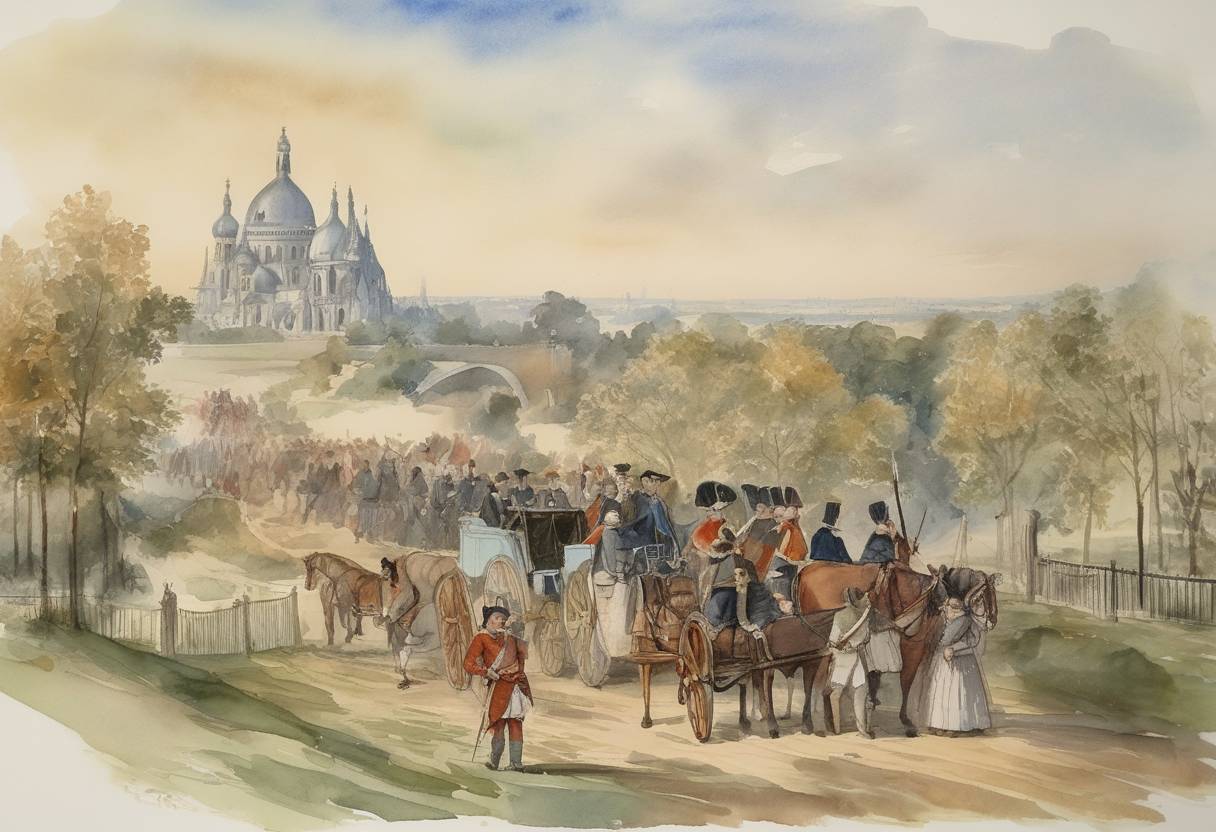
On October 11, 1303, the Treaty of Paris was signed, marking the conclusion of the Anglo-French War that had begun in 1294. This significant treaty was a pivotal moment in the history of England and France, as it helped recalibrate the power dynamics between the two kingdoms and brought temporary peace to the region.
The conflict originated from disputes over territorial claims and sovereignty that had long been a source of tension between England and France. Gascony, a region in southwest France, was particularly contentious, as it was held by the English crown but claimed by the French. This resulted in episodic warfare known as the Anglo-French War of 1294-1303.
The Treaty of Paris in 1303 facilitated the cessation of hostilities and laid out several key terms favorable to both parties:
Restoration of Land: England regained Gascony and other territorial holdings that had been lost during the war. This restoration was crucial for the English economy, as Gascony was a valuable source of wine trade.
Diplomatic Reconciliation: The treaty fostered improved relations between the English and French crowns. It involved mutual agreements to respect each other’s territories and aimed at establishing a long-term peaceful coexistence.
Marital Alliances: To further cement the peace, the treaty arrangements included diplomatic marriages. Edward I of England’s son, Edward II, was set to marry Isabella of France, daughter of King Philip IV of France. These dynastic unions were common practices to solidify alliances.
The signing of the Treaty of Paris was pivotal in reestablishing a period of relative peace between England and France. By returning territories and pledging mutual recognition, both kingdoms could focus on internal affairs and other external threats. However, peace would not last indefinitely, as subsequent disputes and claims would lead to future conflicts, most notably the Hundred Years’ War beginning in the mid-14th century.
In the short term, the treaty had put a temporary hold on the historical rivalry, allowing for a brief phase of collaboration and stability. The meticulous diplomacy of the treaty highlighted the importance of negotiation in resolving conflicts that seemed insurmountable through arms alone.
Source: en.wikipedia.org