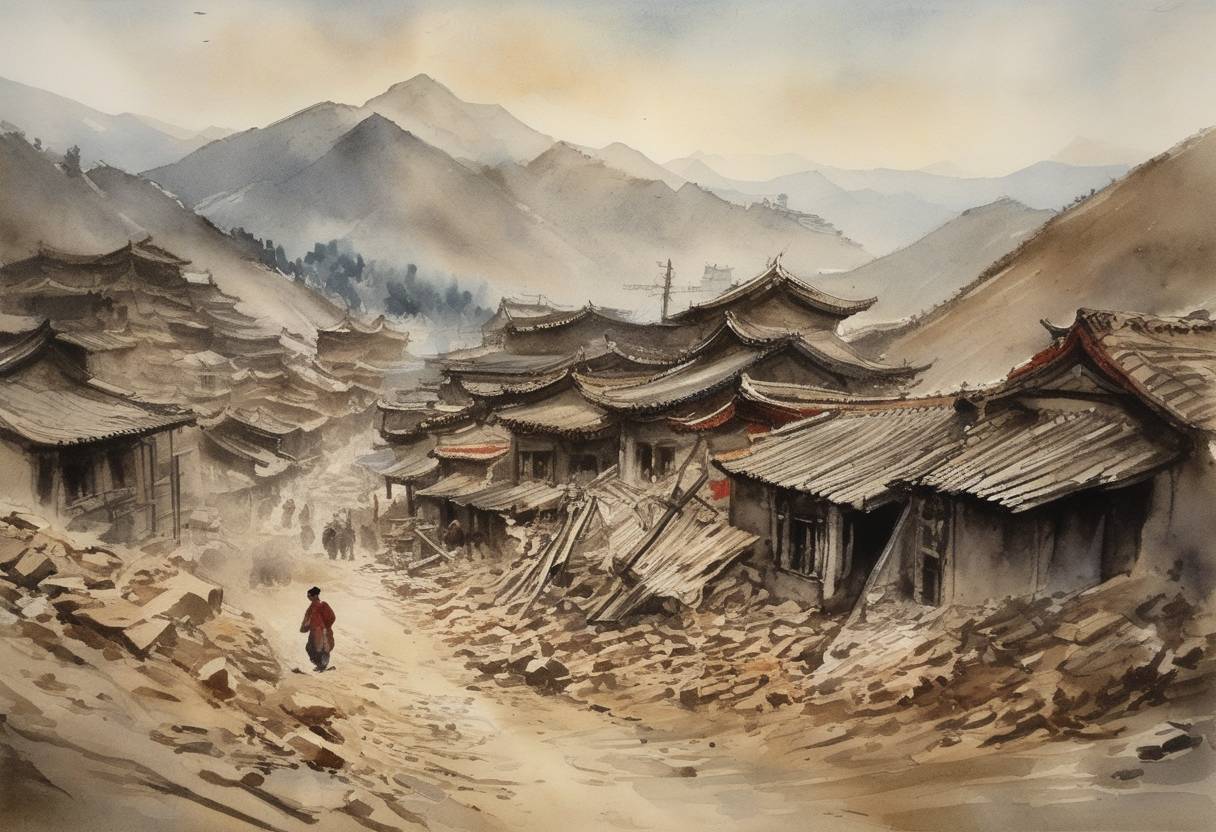
The Haiyuan Earthquake: December 16, 1920
On December 16, 1920, one of the deadliest earthquakes in recorded history struck Haiyuan County, in what is now the Ningxia Hui Autonomous Region, China. The earthquake, often referred to as the 1920 Haiyuan Earthquake, left a profound mark on the region with its catastrophic impact.
Magnitude and Impact
- Magnitude: The earthquake is estimated to have had a magnitude of approximately 8.5 on the Richter scale, making it an extraordinarily powerful seismic event.
- Casualties: It resulted in the deaths of an estimated 200,000 people. The sheer number of casualties classifies it as one of the most lethal earthquakes globally.
- Destruction: The tremor caused massive destruction across a vast area. Numerous buildings and infrastructure were demolished, leading to widespread devastation.
Affected Areas
The earthquake’s impact was felt across several regions:
- Epicenter: The earthquake’s epicenter was located in Haiyuan County, but the effects reached much further.
- Severe Damage: Semi-arid regions like Gansu, the Ningxia Hui Autonomous Region, and parts of Shaanxi Province experienced severe level destruction.
Aftermath and Historical Significance
- Economic Impact: The earthquake significantly disrupted local economies. The destruction of infrastructure and loss of life hindered recovery efforts in the affected areas for years.
- Seismic Studies: The event played a crucial role in advancing the study of seismology in China. It underscored the need for a greater understanding of China’s seismic activity and improved safety measures.
- Humanitarian Response: The disaster spurred humanitarian responses, both domestically and internationally, highlighting the importance of disaster preparedness and response capabilities.
This catastrophic event remains a pivotal moment in China’s history, reflecting the often devastating power of natural disasters and the ongoing need to address and mitigate such hazards in vulnerable regions.