Cyclone Idai: Landfall and Aftermath
Overview
On March 14, 2019, Cyclone Idai made landfall near the city of Beira in Mozambique, marking one of the most devastating natural disasters to hit Southern Africa. The cyclone brought with it catastrophic winds, torrential rains, and widespread flooding, leading to a severe humanitarian crisis in Mozambique, Zimbabwe, and Malawi.
Pre-Landfall Context
- Formation and Path: Cyclone Idai originated as a tropical depression in the Mozambique Channel on March 4, 2019. It intensified into a tropical cyclone as it moved westward, gaining strength over the warm waters.
- Preparations: Despite warnings issued by meteorological agencies, the region’s infrastructure and preparedness levels were insufficient to handle the impending disaster.
- Date and Location: Idai made landfall on March 14, 2019, near Beira, a port city in central Mozambique, with winds exceeding 175 km/h (109 mph).
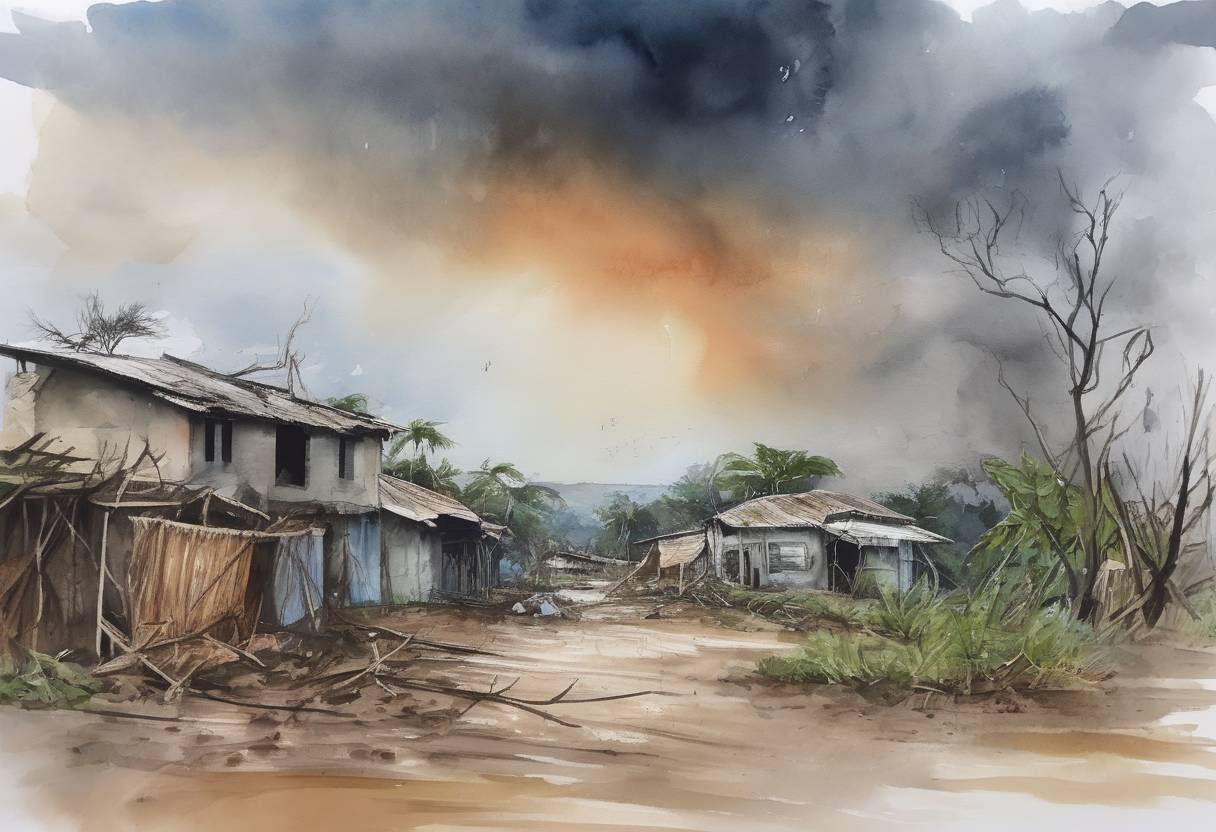
- Destruction: The cyclone caused widespread destruction in Beira, flattening buildings, uprooting trees, and severing communication lines. Approximately 90% of the city was reported to be damaged or destroyed.
- Flooding: Heavy rains led to severe flooding, submerging entire villages and vast tracts of farmland. The flooding was exacerbated by the overflowing of major rivers, including the Buzi and Pungwe.
Humanitarian Crisis
- Casualties and Displacement: The cyclone and subsequent flooding resulted in over 1,300 deaths across Mozambique, Zimbabwe, and Malawi. Hundreds of thousands were displaced, with many seeking refuge in makeshift camps.
- Health Concerns: The stagnant floodwaters created ideal conditions for the spread of waterborne diseases, leading to a cholera outbreak in Mozambique. Thousands of cases were reported, necessitating urgent medical intervention.
- Food Security: The destruction of crops and livestock severely impacted food security, with many communities facing the threat of famine.
International Response
- Aid and Relief Efforts: The international community responded with humanitarian aid, including food, water, medical supplies, and financial assistance. Organizations like the United Nations, Red Cross, and various NGOs played crucial roles in relief operations.
- Challenges: The scale of the disaster, coupled with damaged infrastructure, posed significant challenges to delivering aid to affected areas.
Aftermath and Long-term Impact
- Reconstruction: Efforts to rebuild infrastructure and restore services in the affected regions have been ongoing, with a focus on improving resilience to future natural disasters.
- Climate Change Discussion: Cyclone Idai highlighted the vulnerability of Southern African countries to climate change, sparking discussions on the need for better preparedness and adaptation strategies.
Historical Significance
Cyclone Idai is remembered as one of the deadliest cyclones in the Southern Hemisphere, underscoring the urgent need for enhanced disaster management and climate resilience in vulnerable regions. The event served as a stark reminder of the potential impacts of climate change on weather patterns and the importance of international cooperation in addressing humanitarian crises.