Montana's Admission as the 41st State of the United States
1889 · Helena, United States
Montana was admitted as the 41st state of the United States.
October 30, 1864
Helena, Montana is founded during the Montana Gold Rush, becoming a major city in the region.
Helena, United States | settlers
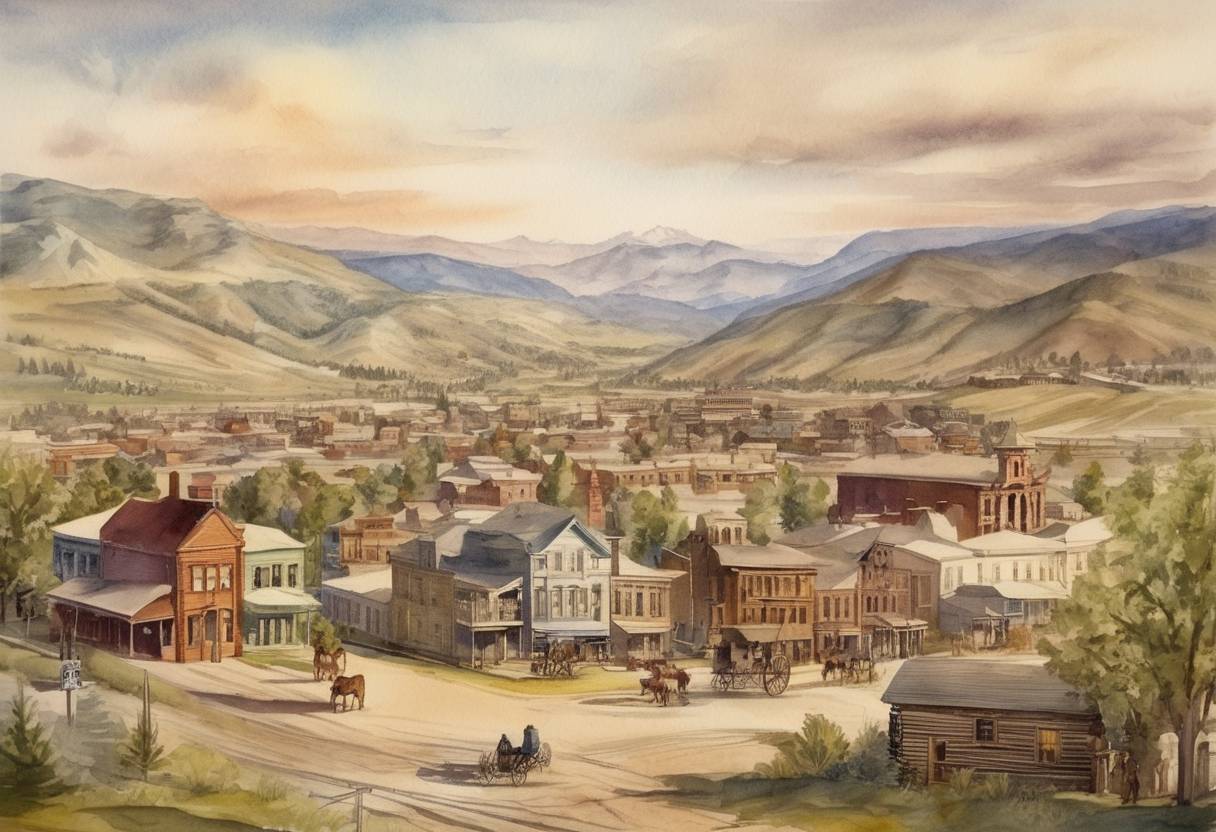
On October 30, 1864, the city of Helena, Montana, was founded during the height of the Montana Gold Rush. This event marked a significant moment in the history of the American West, as Helena rapidly grew to become a major city in the region.
Montana Gold Rush: The Montana Gold Rush began in the early 1860s, following the discovery of gold in the region. This period saw a massive influx of prospectors and settlers seeking fortune, leading to the establishment of numerous mining camps and settlements.
Discovery of Gold: In July 1864, a group of four prospectors, known as the “Four Georgians,” discovered gold in a gulch they named “Last Chance Gulch.” This discovery was pivotal in the founding of Helena.
Establishment: On October 30, 1864, the settlement that would become Helena was officially founded. The name “Helena” was chosen, reportedly after Helena, Minnesota, or Helena Township in Scott County, Minnesota, reflecting the origins of some of its settlers.
Growth and Development: The discovery of gold attracted thousands of miners and entrepreneurs, transforming Helena from a small mining camp into a bustling town. The city’s strategic location and rich gold deposits contributed to its rapid growth.
Economic Impact: Helena quickly became a center of commerce and trade in the region. The wealth generated from gold mining fueled its development, leading to the construction of infrastructure and the establishment of businesses.
Political Importance: Helena’s prominence in the region was solidified when it was designated the capital of the Montana Territory in 1875, a status it retained when Montana became a state in 1889.
Cultural and Historical Legacy: Today, Helena is known for its rich history and well-preserved architecture from the gold rush era. The city’s origins as a mining town are still evident in its cultural heritage and historical sites.
Decline of Gold Mining: While the initial gold rush eventually waned, Helena’s economy diversified, allowing it to remain a vital city in Montana. The decline of mining led to the development of other industries and services.
Continued Growth: Over the years, Helena has continued to grow and evolve, maintaining its status as a key city in Montana. It serves as a hub for government, education, and culture in the state.
The founding of Helena on October 30, 1864, is a testament to the transformative power of the gold rush era in shaping the American West. Its legacy as a city born from the pursuit of gold continues to influence its identity and significance in Montana.
Source: en.wikipedia.org