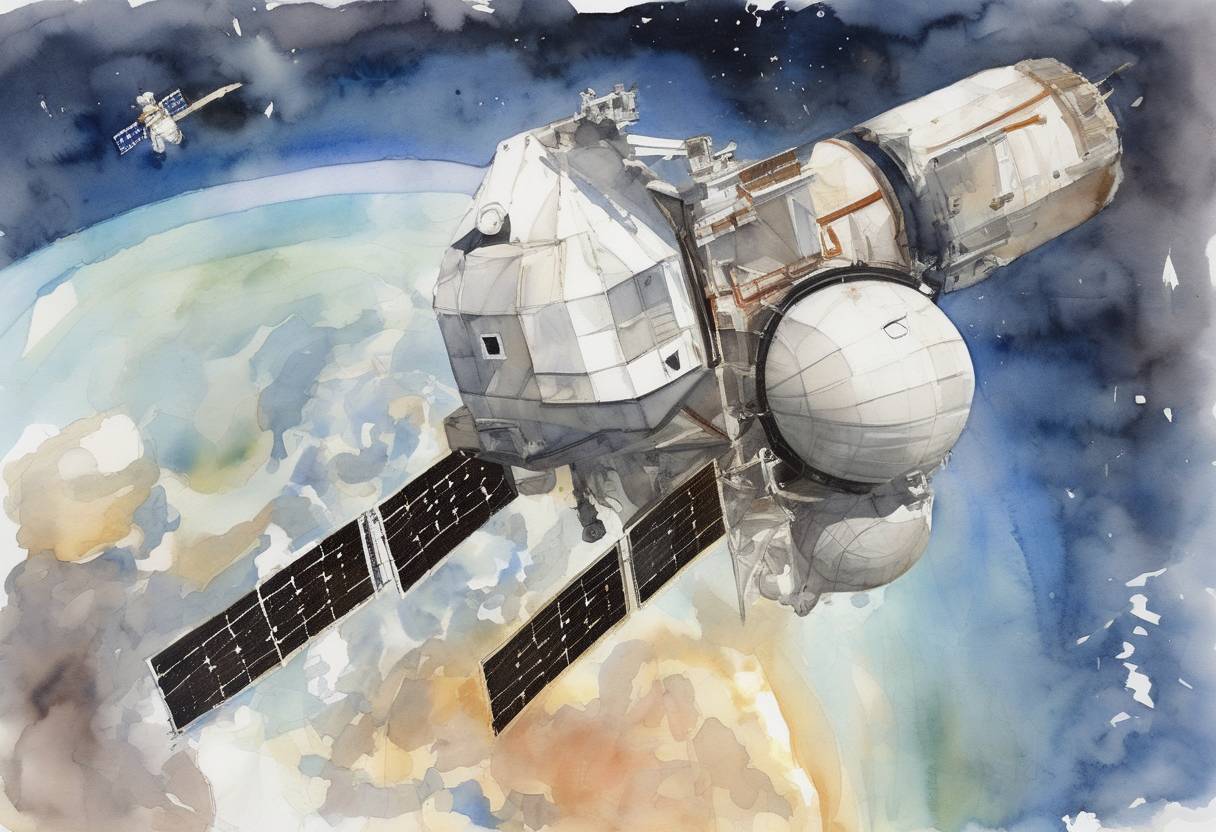
SpaceX Dragon’s First Successful Commercial Mission to the ISS
On May 30, 2012, SpaceX’s Dragon spacecraft successfully completed its first commercial mission to the International Space Station (ISS), marking a pivotal moment in the history of private spaceflight. This mission was a significant milestone, demonstrating the potential for private companies to contribute to space exploration and supply missions.
Background
SpaceX: Founded by Elon Musk in 2002, SpaceX aimed to reduce space transportation costs and enable the colonization of Mars. By 2012, the company had developed the Falcon 1 and Falcon 9 launch vehicles and the Dragon spacecraft.
Commercial Orbital Transportation Services (COTS): In 2006, NASA initiated the COTS program to encourage private companies to develop reliable and cost-effective cargo transportation to the ISS. SpaceX was one of the companies awarded a contract under this program.
The Mission
Launch Date: The mission, designated COTS Demo Flight 2, launched on May 22, 2012, from Cape Canaveral Air Force Station in Florida using a Falcon 9 rocket.
Objectives: The mission aimed to demonstrate the Dragon’s ability to safely reach the ISS, deliver cargo, and return to Earth. It was a critical test of the spacecraft’s systems and capabilities.
Docking with the ISS: On May 25, 2012, Dragon successfully berthed with the ISS, becoming the first commercial spacecraft to do so. The crew aboard the ISS used the station’s robotic arm to capture and attach the Dragon to the Harmony module.
Cargo: Dragon delivered approximately 1,200 pounds of supplies, including food, clothing, and scientific equipment, to the ISS.
Return to Earth: After spending six days attached to the ISS, Dragon was released on May 31, 2012, and successfully splashed down in the Pacific Ocean, off the coast of Baja California, marking the completion of the mission.
Significance
Milestone for Private Spaceflight: This mission was a landmark achievement for SpaceX and the broader commercial space industry. It demonstrated that private companies could effectively partner with government agencies like NASA to support space exploration.
Impact on NASA: The success of the Dragon mission allowed NASA to focus more on deep space exploration, as private companies took over routine cargo deliveries to the ISS.
Future Developments: The success paved the way for subsequent commercial missions, including crewed flights, and encouraged further investment and innovation in the private space sector.
SpaceX’s achievement on May 30, 2012, was a testament to the potential of public-private partnerships in advancing human space exploration and set the stage for future collaborations and developments in the space industry.