Freddie Mercury's Public Acknowledgment of AIDS
1991 · London, United Kingdom
Freddie Mercury, lead vocalist of Queen, publicly acknowledged he had AIDS, one day before his death.
November 24, 1991
Freddie Mercury, lead singer of Queen, dies of bronchopneumonia resulting from AIDS, prompting increased awareness and activism for AIDS research and treatment.
London, United Kingdom | Queen (band)
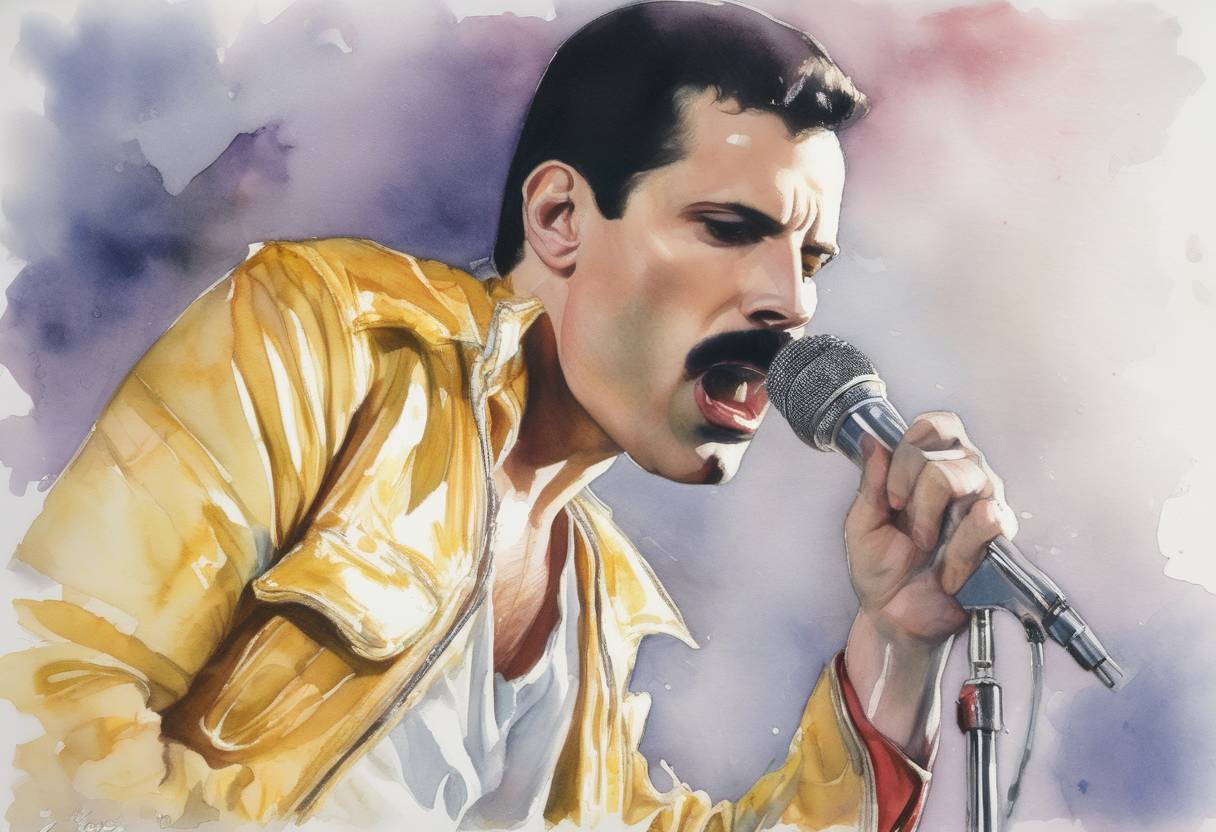
On November 24, 1991, Freddie Mercury, the iconic lead singer of the rock band Queen, passed away at the age of 45. His death was attributed to bronchopneumonia, a complication arising from AIDS. Mercury’s passing marked a significant moment in the history of AIDS awareness and activism, highlighting the devastating impact of the disease and catalyzing efforts to combat it.
Freddie Mercury, born Farrokh Bulsara on September 5, 1946, in Zanzibar, was renowned for his flamboyant stage presence and extraordinary vocal range. As the frontman of Queen, he contributed to the band’s global success with hits like “Bohemian Rhapsody,” “We Will Rock You,” and “Somebody to Love.” Despite his public persona, Mercury was intensely private about his personal life, particularly regarding his health.
In the late 1980s, speculation about Mercury’s health began to circulate as he appeared increasingly frail. Despite rumors, Mercury and those close to him remained tight-lipped about his condition. It wasn’t until November 23, 1991, just one day before his death, that Mercury publicly acknowledged he had AIDS. This announcement was a significant moment, as it brought widespread attention to the disease at a time when stigma and misinformation were rampant.
Freddie Mercury’s death had a profound impact on public awareness of AIDS. At the time, the disease was often misunderstood and stigmatized, and Mercury’s passing helped humanize the epidemic, drawing attention to the need for research, treatment, and compassion for those affected.
In April 1992, the surviving members of Queen, along with other musicians, organized The Freddie Mercury Tribute Concert for AIDS Awareness at Wembley Stadium. The event was attended by 72,000 people and broadcast to an estimated 1 billion viewers worldwide. It raised millions for AIDS research and established the Mercury Phoenix Trust, a charity dedicated to fighting HIV/AIDS globally.
Freddie Mercury’s death and the subsequent activism played a crucial role in shifting public perception of AIDS. It helped to destigmatize the disease and galvanized efforts to increase funding for research and treatment. Mercury’s legacy continues to influence both the music industry and the ongoing fight against HIV/AIDS, serving as a reminder of the power of celebrity to effect social change.
In summary, Freddie Mercury’s passing was not only a loss to the music world but also a pivotal moment in the history of AIDS awareness and advocacy, underscoring the importance of visibility and action in the face of public health crises.
Source: en.wikipedia.org