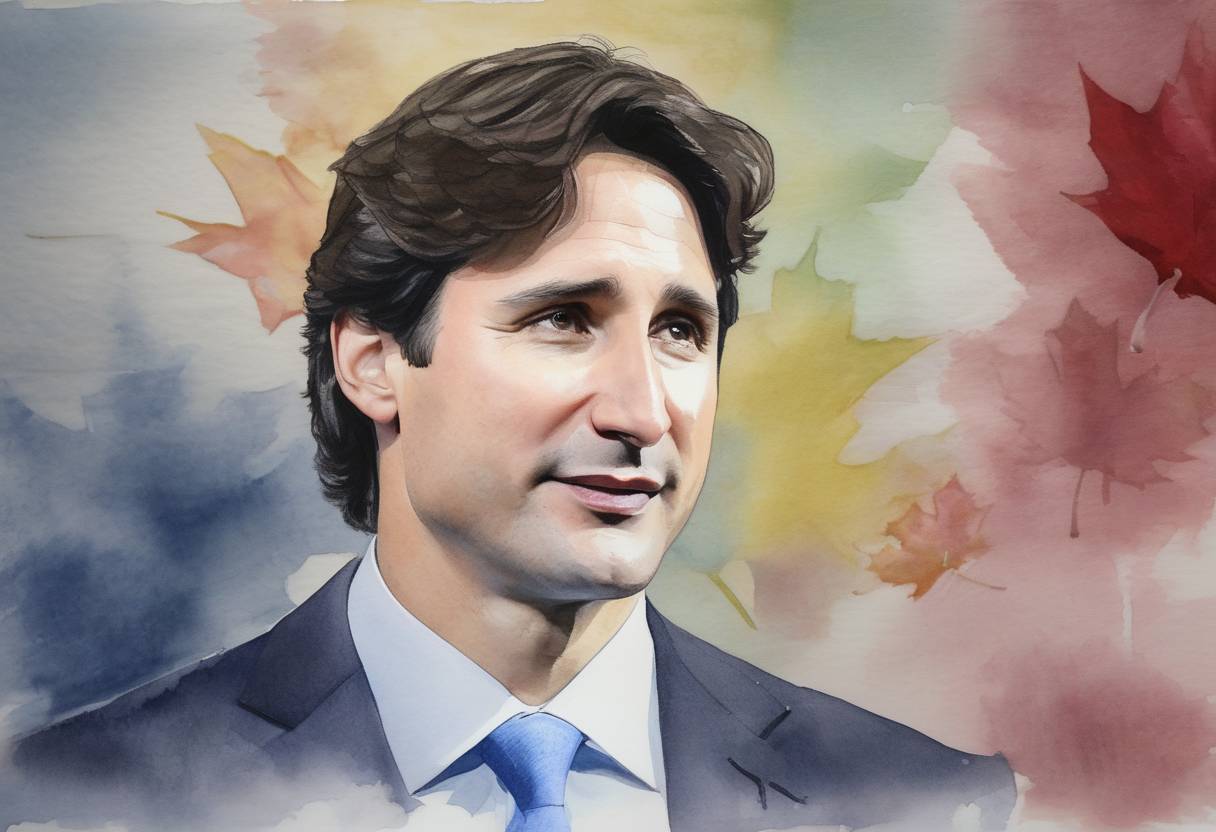
Canadian Federal Election of October 19, 2015
On October 19, 2015, the Liberal Party of Canada, led by Justin Trudeau, won a decisive victory in the Canadian federal election. This election marked a significant political shift in Canada, ending nearly a decade of Conservative rule under Prime Minister Stephen Harper. Justin Trudeau became the 23rd Prime Minister of Canada following this victory.
Context and Background
- Stephen Harper’s Tenure: Stephen Harper had been the Prime Minister since 2006, leading a Conservative government that focused on economic policies, including tax cuts and a strong stance on national security.
- Liberal Party’s Position: Prior to the election, the Liberal Party was the third-largest party in the House of Commons. Under Trudeau’s leadership, the party sought to revitalize its image and policies, focusing on progressive issues such as environmental protection, social justice, and economic growth through infrastructure investment.
Key Events Leading to the Election
- Campaign Strategy: The Liberal Party ran a campaign centered on “Real Change,” promising to address issues such as income inequality, climate change, and democratic reform. Trudeau’s charismatic leadership and positive messaging resonated with a wide demographic, particularly younger voters.
- Debates and Public Perception: Throughout the campaign, Trudeau performed well in debates, countering attacks from both the Conservative and New Democratic Party (NDP) leaders. His ability to connect with the public and articulate a clear vision for Canada’s future played a crucial role in the Liberal Party’s success.
Election Results
- Liberal Victory: The Liberal Party won 184 seats out of 338 in the House of Commons, securing a majority government. This was a significant increase from the 36 seats they held before the election.
- Conservative Defeat: The Conservative Party was reduced to 99 seats, marking a substantial loss from their previous majority.
- NDP and Other Parties: The NDP, led by Thomas Mulcair, won 44 seats, a decrease from their previous standing as the official opposition. The Bloc Québécois and the Green Party also secured a small number of seats.
Aftermath and Significance
- Policy Changes: Trudeau’s government quickly moved to implement key campaign promises, including legalizing cannabis, reforming the tax system, and investing in infrastructure projects.
- International Relations: Trudeau’s leadership marked a shift in Canada’s international relations, emphasizing multilateralism and re-engagement with global institutions.
- Cultural Impact: Trudeau’s election was seen as a generational change in Canadian politics, with a focus on diversity and inclusion, reflecting Canada’s multicultural society.
The 2015 election was a pivotal moment in Canadian history, reshaping the country’s political landscape and setting the stage for significant policy shifts under Trudeau’s leadership.