The Battle of Tangdao - December 15, 1161
1161 · Tangdao, China
The Battle of Tangdao took place, a naval conflict between the Song dynasty and the Jin dynasty.
January 23, 0971
The Song dynasty in China, under the leadership of Emperor Taizu, captures the Southern Tang capital of Jinling (modern-day Nanjing), marking a significant step in the reunification of China.
Jinling (Nanjing), China | Song dynasty
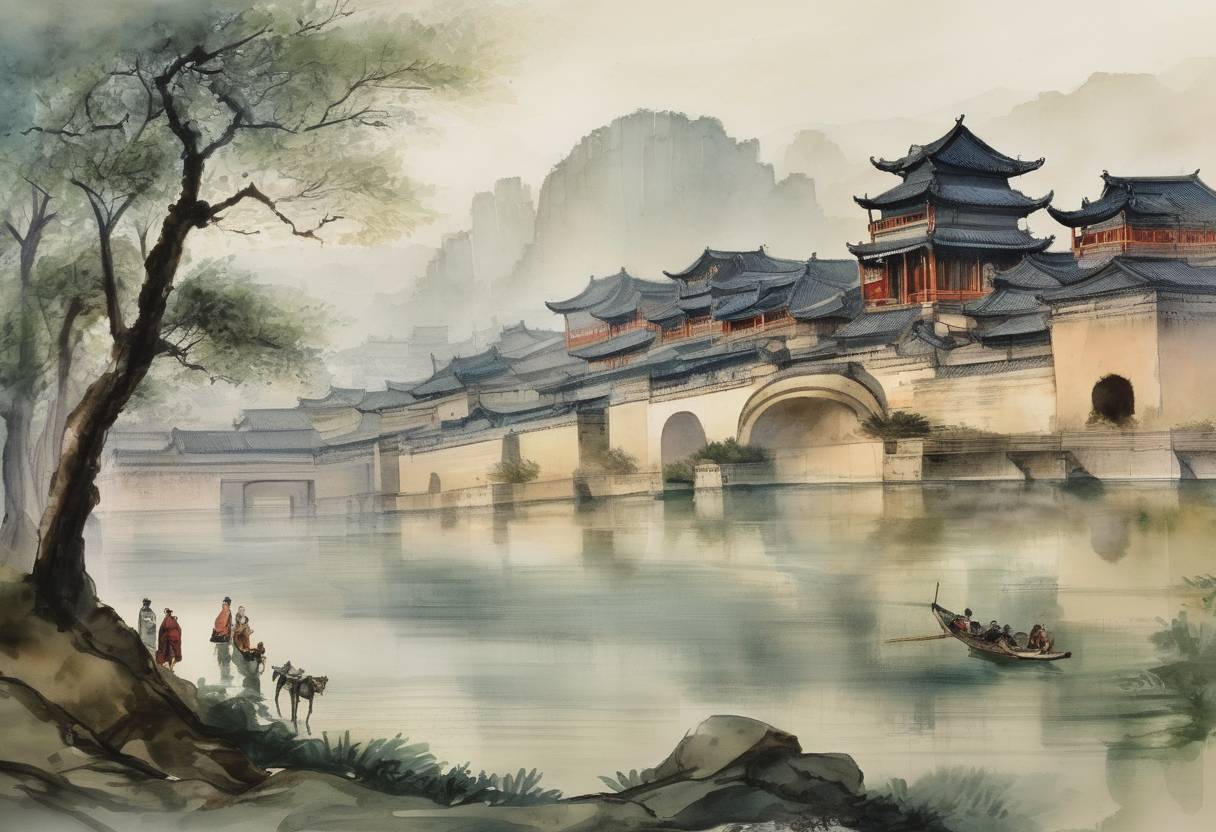
On January 23, 971, a pivotal event in Chinese history unfolded as the Song Dynasty, under the leadership of Emperor Taizu, successfully captured the Southern Tang capital of Jinling, known today as Nanjing. This event marked a significant step in the reunification of China during a period of fragmentation known as the Five Dynasties and Ten Kingdoms.
Five Dynasties and Ten Kingdoms Period (907-960): This era was characterized by political fragmentation following the fall of the Tang Dynasty. China was divided into several competing states, with the Northern Song eventually emerging as a dominant force.
Rise of the Song Dynasty: Founded by Emperor Taizu (Zhao Kuangyin) in 960, the Song Dynasty embarked on a mission to reunify China. Taizu, a former general of the Later Zhou, ascended to power through a coup known as the “Chen Bridge Mutiny.”
Southern Tang Kingdom: One of the most prominent of the Ten Kingdoms, the Southern Tang controlled a significant portion of southeastern China, with its capital at Jinling. It was known for its cultural achievements and economic prosperity.
Military Strategy: Emperor Taizu employed both military might and diplomatic strategies to weaken the Southern Tang. The Song forces were well-organized and benefited from advanced military technology, including crossbows and gunpowder weapons.
Siege of Jinling: The Song army laid siege to Jinling, employing a combination of direct assaults and strategic blockades. The Southern Tang, despite their efforts, were unable to withstand the superior military tactics of the Song forces.
Fall of Jinling: On January 23, 971, Jinling fell to the Song forces. The capture of this strategic city was a major blow to the Southern Tang and a crucial victory for the Song Dynasty in their quest for reunification.
Aftermath: The fall of Jinling effectively marked the end of the Southern Tang as a significant power. The last Southern Tang ruler, Li Yu, was captured and taken to the Song capital, where he was treated with relative leniency.
Significance: The capture of Jinling was a critical step in the consolidation of Song power over southern China. It demonstrated the effectiveness of Emperor Taizu’s military and diplomatic strategies and paved the way for further unification efforts.
Reunification of China: The Song Dynasty continued its efforts to reunify China, eventually bringing most of the country under its control. This period of reunification helped stabilize China and set the stage for economic and cultural flourishing during the Song era.
Cultural and Economic Developments: The Song Dynasty is renowned for its advancements in technology, culture, and economy. The reunification efforts initiated by Emperor Taizu laid the groundwork for these developments.
The capture of Jinling was not just a military victory but a significant milestone in the Song Dynasty’s mission to restore unity and stability to China after decades of division and chaos.
Source: en.wikipedia.org