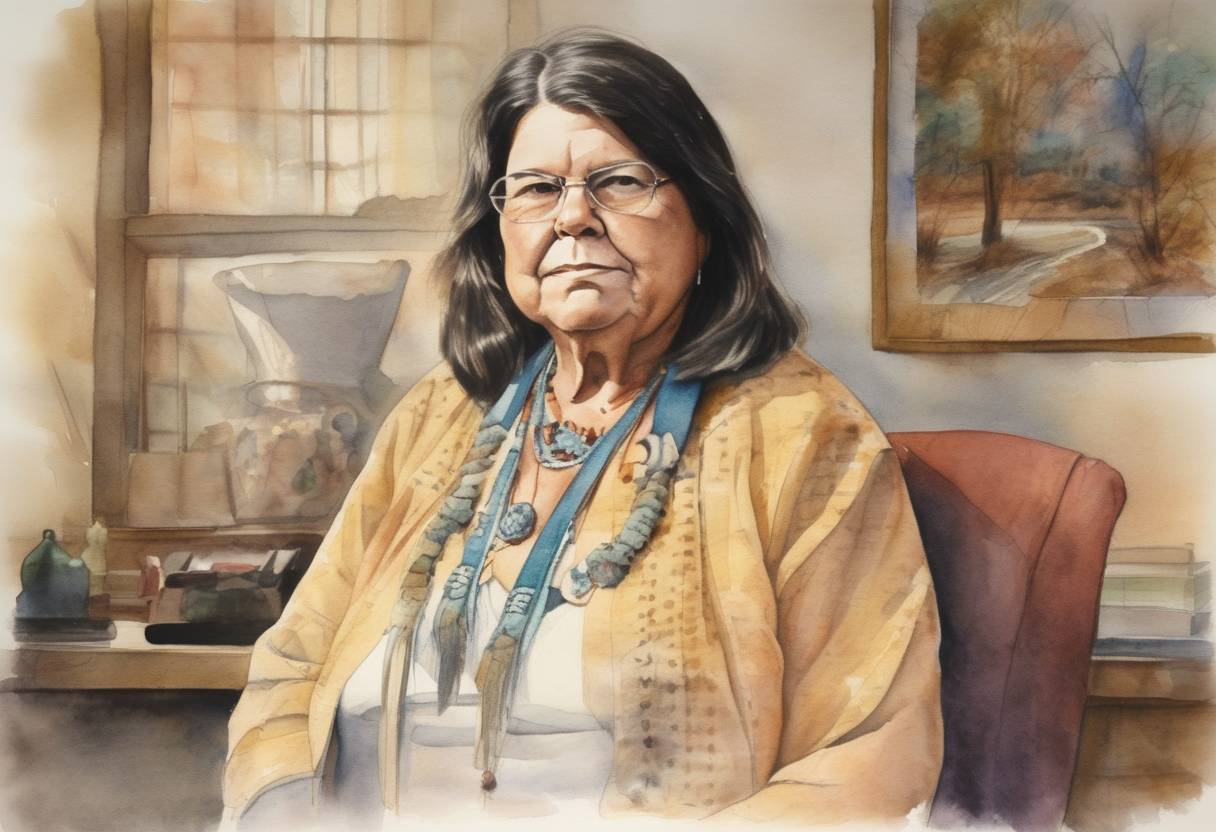
Wilma Mankiller Becomes Principal Chief of the Cherokee Nation
On December 14, 1985, Wilma Mankiller was inaugurated as the first female Principal Chief of the Cherokee Nation, marking a significant milestone in both Native American history and women’s leadership. Her rise to this prominent position was not only a personal achievement but also a transformative moment for the Cherokee Nation and indigenous communities across the United States.
Background
Wilma Mankiller was born on November 18, 1945, in Tahlequah, Oklahoma, the capital of the Cherokee Nation. Her family moved to San Francisco as part of a federal relocation program aimed at assimilating Native Americans into urban areas. This experience exposed her to the civil rights movements of the 1960s, which greatly influenced her future activism and leadership style.
Mankiller returned to Oklahoma in the mid-1970s, where she became deeply involved in community development and tribal affairs. Her work in grassroots projects, particularly in improving infrastructure and services in Cherokee communities, earned her respect and recognition.
Path to Leadership
In 1983, Mankiller was elected as Deputy Chief of the Cherokee Nation, serving under Principal Chief Ross Swimmer. Her tenure as Deputy Chief was marked by her focus on social issues, economic development, and the empowerment of Cherokee citizens. When Swimmer resigned in 1985 to head the Bureau of Indian Affairs, Mankiller succeeded him, becoming the first woman to hold the office of Principal Chief.
Significance of Her Leadership
Wilma Mankiller’s leadership was groundbreaking for several reasons:
Breaking Gender Barriers: As the first female Principal Chief, Mankiller challenged traditional gender roles within Native American leadership and inspired women across the nation to pursue leadership roles.
Community Development: Her administration focused on improving healthcare, education, and housing for the Cherokee people. She emphasized self-help and community involvement, fostering a sense of empowerment and self-reliance among the Cherokee.
Cultural Revitalization: Mankiller worked to preserve and promote Cherokee culture and language, recognizing the importance of cultural identity in the community’s resilience and unity.
Political Influence: Her leadership extended beyond the Cherokee Nation, as she became a prominent advocate for Native American rights and issues on a national level.
Aftermath and Legacy
Wilma Mankiller served as Principal Chief until 1995, leaving behind a legacy of progress and empowerment. Her tenure is remembered for its focus on community-driven development and her ability to navigate the complexities of tribal and federal politics. Mankiller’s leadership paved the way for future generations of Native American women in leadership roles.
After leaving office, she continued to be an influential voice for indigenous rights and women’s issues until her passing in 2010. Her autobiography, “Mankiller: A Chief and Her People,” and numerous awards, including the Presidential Medal of Freedom in 1998, attest to her enduring impact.
Wilma Mankiller’s inauguration as Principal Chief on December 14, 1985, remains a pivotal moment in history, symbolizing progress in gender equality and the empowerment of indigenous peoples.