Occupy Wall Street Day of Action - November 17, 2011
2011 · New York City, United States
The Occupy Wall Street movement held a day of action in New York City, marking two months since the movement began.
September 15, 2011
Occupy Wall Street, a protest movement against economic inequality and the influence of corporate money in politics, began in Zuccotti Park in New York City.
New York City, United States | Occupy Wall Street
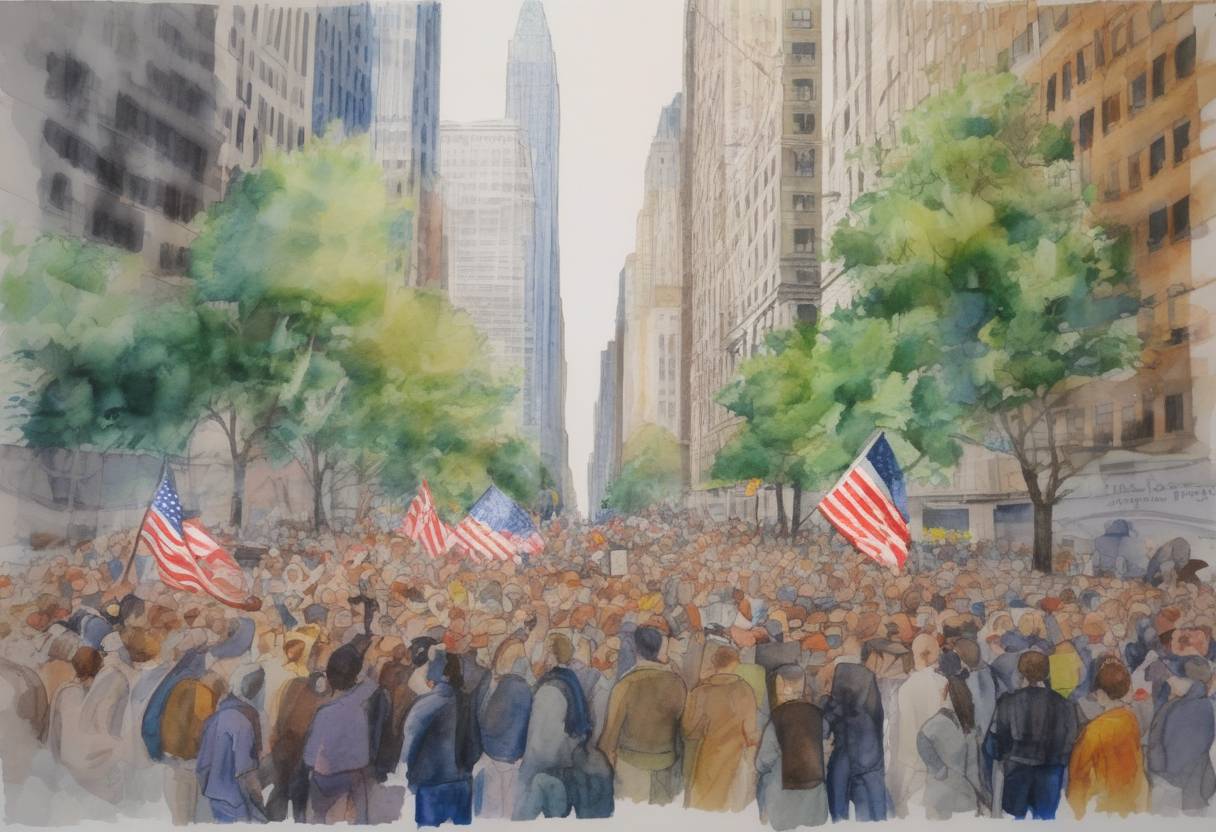
On September 17, 2011, the Occupy Wall Street (OWS) movement began in Zuccotti Park, located in New York City’s financial district. This grassroots protest was primarily aimed at highlighting economic inequality, corporate greed, and the undue influence of money in politics. The movement’s slogan, “We are the 99%,” underscored the growing disparity between the wealthiest 1% of the population and the rest of society.
The late 2000s financial crisis and subsequent recession had left many Americans disillusioned with the economic system. Rising unemployment, foreclosures, and bailouts for large financial institutions fueled public anger. The Arab Spring and European anti-austerity protests in 2011 also inspired activists in the United States to take action.
The call to occupy Wall Street was initially put forth by the Canadian anti-consumerist magazine Adbusters. The idea quickly gained traction through social media and grassroots organizing, culminating in the occupation of Zuccotti Park.
September 17, 2011: Protesters gathered in Zuccotti Park, setting up tents and establishing a makeshift community. The park became a hub for discussions, workshops, and planning sessions.
October 1, 2011: The movement gained significant media attention when over 700 protesters were arrested during a march on the Brooklyn Bridge. This event highlighted the scale and determination of the movement.
November 15, 2011: New York City authorities, citing health and safety concerns, cleared Zuccotti Park of protesters. This eviction marked a turning point, as the movement lost its physical base but continued to inspire similar occupations and protests worldwide.
Occupy Wall Street did not achieve specific policy changes, but it succeeded in shifting public discourse. It brought issues of economic inequality and corporate influence into the mainstream, influencing political debates and inspiring future movements like the Fight for $15 and Black Lives Matter.
The movement’s decentralized structure and use of social media set a precedent for future activist campaigns. While the physical occupation of spaces diminished, the ideas and grievances of OWS continued to resonate, contributing to ongoing discussions about economic justice and democratic reform.
Occupy Wall Street was a pivotal moment in early 21st-century activism. It demonstrated the power of grassroots organizing and the potential of social media to mobilize large-scale protests. Though the physical occupation ended, the movement’s legacy persists in the continued fight against economic inequality and the influence of money in politics.
Source: www.britannica.com