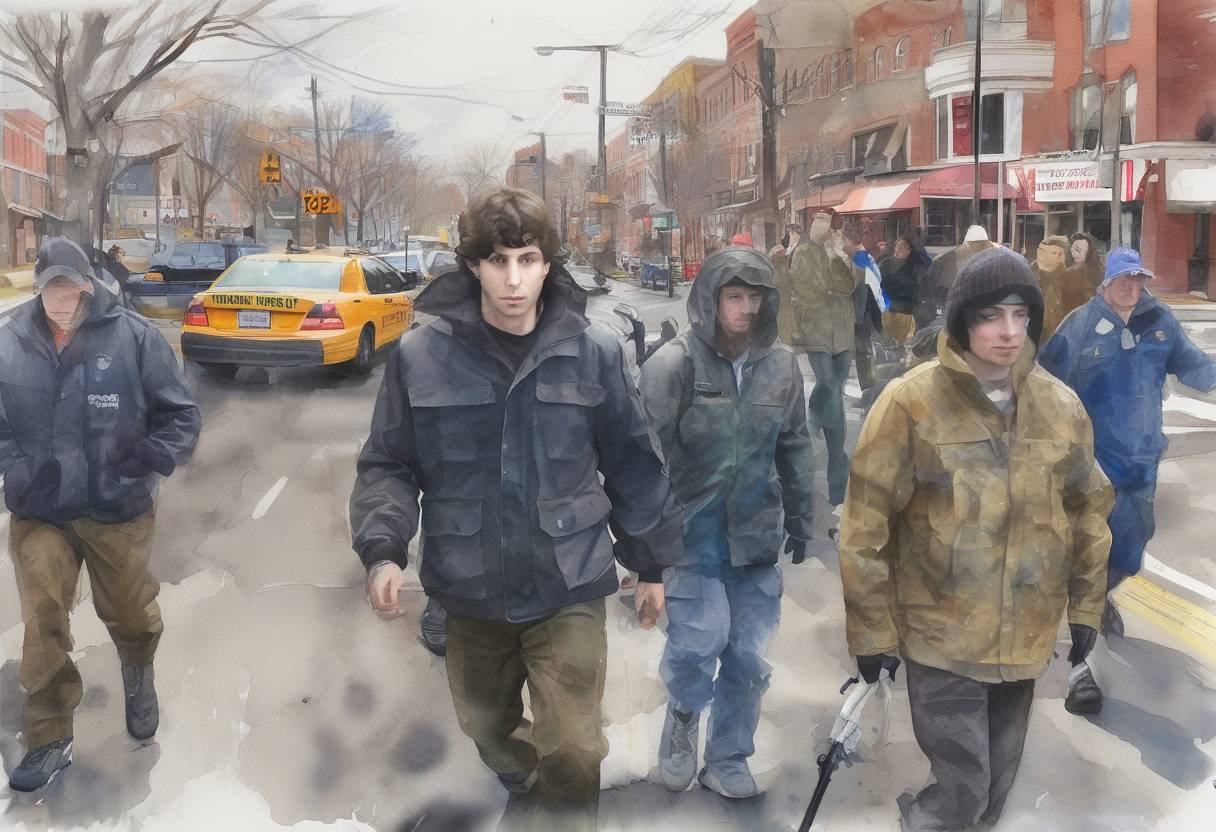
The Capture of Dzhokhar Tsarnaev: April 19, 2013
On April 19, 2013, a dramatic manhunt concluded with the capture of Dzhokhar Tsarnaev, one of the suspects in the Boston Marathon bombing, in Watertown, Massachusetts. This event marked the end of a tense and chaotic week for the city of Boston and its surrounding areas.
Background
On April 15, 2013, during the annual Boston Marathon, two homemade bombs detonated near the finish line on Boylston Street. The explosions resulted in the deaths of three spectators and injured over 260 others. The attack shocked the nation and prompted an intensive investigation by local, state, and federal law enforcement agencies.
The Manhunt
In the days following the bombing, investigators identified two suspects: Tamerlan Tsarnaev and his younger brother, Dzhokhar Tsarnaev. On the evening of April 18, the suspects were involved in the fatal shooting of MIT police officer Sean Collier in Cambridge, Massachusetts. This incident led to a carjacking and a subsequent police chase that ended in a violent confrontation in Watertown.
During the shootout, Tamerlan Tsarnaev was killed, while Dzhokhar managed to escape, prompting a massive manhunt. Authorities imposed a lockdown on Boston and its suburbs, urging residents to stay indoors as they conducted door-to-door searches.
Capture in Watertown
On the evening of April 19, a Watertown resident discovered Dzhokhar Tsarnaev hiding in a boat stored in his backyard. The resident alerted the police, leading to a standoff. After a brief exchange of gunfire, Tsarnaev was apprehended and taken into custody.
Aftermath
Dzhokhar Tsarnaev was charged with using a weapon of mass destruction and other related offenses. In 2015, he was convicted on all charges and sentenced to death. The case drew significant media attention and sparked discussions on domestic terrorism, security measures at public events, and the legal proceedings for terrorism suspects.
Broader Significance
The Boston Marathon bombing and the subsequent manhunt highlighted vulnerabilities in urban security and emergency response. It also demonstrated the effectiveness of coordinated law enforcement efforts and the role of public vigilance in capturing suspects. The event remains a poignant reminder of the impact of terrorism on communities and the resilience of those affected.
The capture of Dzhokhar Tsarnaev brought a sense of closure to a harrowing chapter in Boston’s history, while also leaving lasting questions about the motivations behind such acts of violence and the measures needed to prevent future attacks.