Nelson Mandela's Inauguration: May 9, 1994
1994 · Pretoria, South Africa
Nelson Mandela was inaugurated as South Africa's first black president, marking the end of apartheid.
May 10, 1994
Nelson Mandela is inaugurated as South Africa's first black president.
Pretoria, South Africa | South African Government
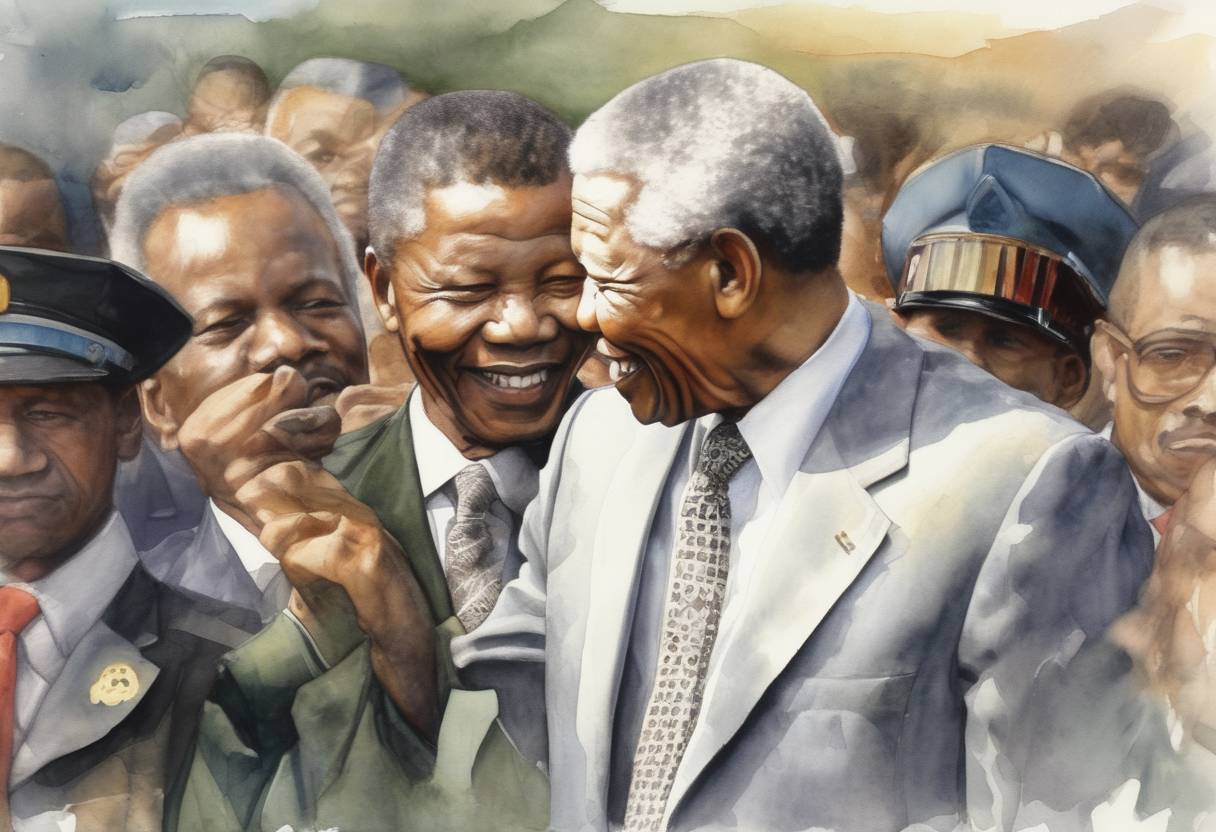
On May 10, 1994, Nelson Mandela was inaugurated as the first black president of South Africa, marking a pivotal moment in the nation’s history and the culmination of decades of struggle against apartheid.
Apartheid System: For nearly half a century, South Africa was governed by an apartheid system, a policy of racial segregation and discrimination enforced by the National Party government. This system disenfranchised the non-white population and institutionalized racial inequalities.
Mandela’s Imprisonment: Nelson Mandela, a key figure in the African National Congress (ANC), was imprisoned for 27 years due to his anti-apartheid activities. His release in 1990 was a significant step towards dismantling apartheid.
Negotiations and Reforms: Following Mandela’s release, negotiations between the ANC and the South African government led to the dismantling of apartheid laws and the establishment of a new democratic framework. The process was marked by tensions and violence but ultimately led to the first multiracial elections.
Historic Elections: From April 26 to April 29, 1994, South Africa held its first democratic elections in which citizens of all races could vote. The ANC won a significant majority, securing 62% of the vote.
Mandela’s Victory: Nelson Mandela’s election as president was a landmark victory for the ANC and a symbol of hope and reconciliation for the nation.
Date and Venue: The inauguration took place on May 10, 1994, at the Union Buildings in Pretoria, South Africa.
Dignitaries and Guests: The ceremony was attended by numerous international dignitaries, including heads of state and government representatives, reflecting global support for South Africa’s new democratic era.
Mandela’s Speech: In his inaugural address, Mandela emphasized reconciliation, unity, and the vision of a “rainbow nation” at peace with itself and the world. He acknowledged the sacrifices made by many in the struggle for freedom and called for a future built on equality and justice.
National Reconciliation: Mandela’s presidency focused on healing the divisions of the past and building a unified South African identity. Initiatives like the Truth and Reconciliation Commission were established to address past human rights abuses.
Global Impact: Mandela’s leadership and the peaceful transition to democracy in South Africa served as an inspiration worldwide, highlighting the power of forgiveness and negotiation over conflict.
Legacy: Nelson Mandela’s presidency laid the foundation for a democratic South Africa, though challenges such as economic inequality and social tensions remained. His legacy continues to influence global discussions on justice and human rights.
Nelson Mandela’s inauguration was not just a political milestone but a profound moment of transformation for South Africa, symbolizing the triumph of resilience and the enduring quest for equality and freedom.
Source: en.wikipedia.org