1934 · New York City, United States
Bruno Hauptmann was arrested in New York City, accused of kidnapping and murdering Charles Lindbergh Jr., the son of famous aviator Charles Lindbergh, in a case that captivated the nation.
April 3, 1936
Bruno Richard Hauptmann was executed in New Jersey State Prison for the kidnap and murder of Charles Lindbergh Jr., the infant son of aviator Charles Lindbergh.
Trenton, United States | New Jersey State Prison
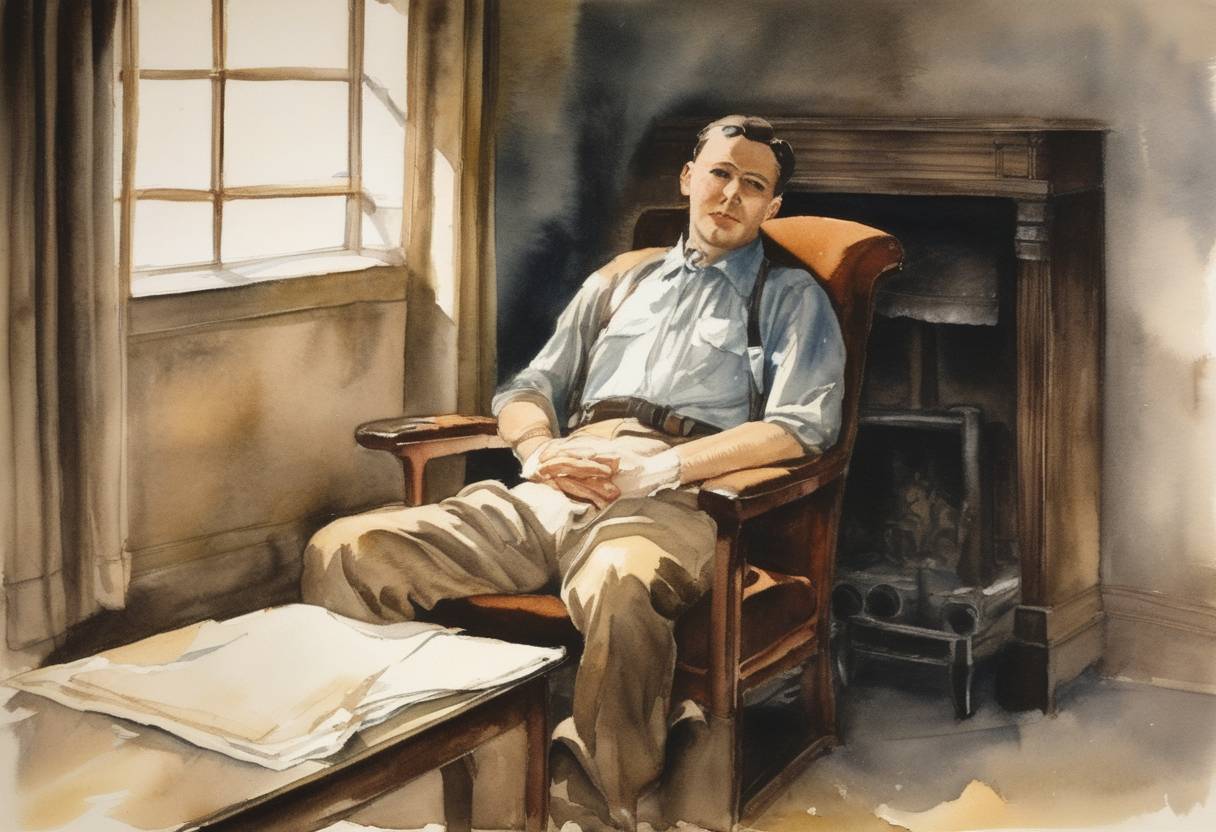
On April 3, 1936, Bruno Richard Hauptmann was executed by electric chair at New Jersey State Prison in Trenton, New Jersey. He was convicted for the infamous kidnapping and murder of Charles Lindbergh Jr., the toddler son of famed aviator Charles Lindbergh and his wife Anne Morrow Lindbergh.
The case became known as “The Trial of the Century” given its prominence and the stature of the Lindbergh family. On the evening of March 1, 1932, Charles Jr., only 20 months old at the time, was abducted from his family home in Hopewell, New Jersey. A ransom note demanding $50,000 was found on the nursery window sill, initiating a chaotic ransom negotiation process that ended tragically.
On May 12, 1932, the child’s remains were discovered a few miles from the Lindbergh estate, confirming that the young boy had been killed.
Bruno Richard Hauptmann, a German immigrant and carpenter, was arrested on September 19, 1934, after a marked gold certificate from the ransom money was traced to him. Upon his arrest, additional ransom bills were found in his home, along with materials linking him to the crime.
The trial commenced on January 2, 1935, in Flemington, New Jersey. It drew significant media attention and public interest due to the high profile of the Lindbergh family and the gruesome nature of the crime. The prosecution presented evidence that included the ransom money found in Hauptmann’s possession, expert testimony on handwriting analysis matching the ransom notes to Hauptmann’s handwriting, and wood analysis that linked the ladder used in the abduction to Hauptmann’s home.
Hauptmann maintained his innocence throughout, claiming that the money was left to him by a deceased acquaintance, Isidor Fisch, who he asserted was the true culprit.
After being found guilty of first-degree murder on February 13, 1935, Hauptmann was sentenced to death. His appeals were denied, and clemency pleas, including a high-profile petition to New Jersey Governor Harold G. Hoffman, were unsuccessful.
The execution took place less than a year and a half later, emphasizing the heightened emotions and the demand for justice that surrounded the case. Hauptmann’s execution closed a sensational and highly watched chapter in American criminal history.
The case is often cited in discussions about media influence on high-profile trials and contributed to the establishment of the Federal Kidnapping Act, also known as the “Lindbergh Law,” which made kidnapping across state lines a federal offense. The case remains a topic of speculation and debate, particularly regarding Hauptmann’s guilt and the involvement of other possible conspirators.
Source: en.wikipedia.org